

Greetings to new readers and welcome all to the latest edition of the weekly ASEAN Wonk BulletBrief! If you haven’t already, you can upgrade to a paid subscription for $5 a month/$50 a year below to receive full posts by inserting your email address and then selecting an annual or monthly option. You can visit this page for more on pricing for institutions, groups as well as discounts. For current paid subscribers, please make sure you’re hitting the “view entire message” prompt if it comes up at the end of a post to see the full version.
For this iteration of ASEAN Wonk BulletBrief, we are looking at:
Assessing the geopolitical significance of the 2026 Southeast Asia flashpoint foreign policy agenda and wider regional and global implications;
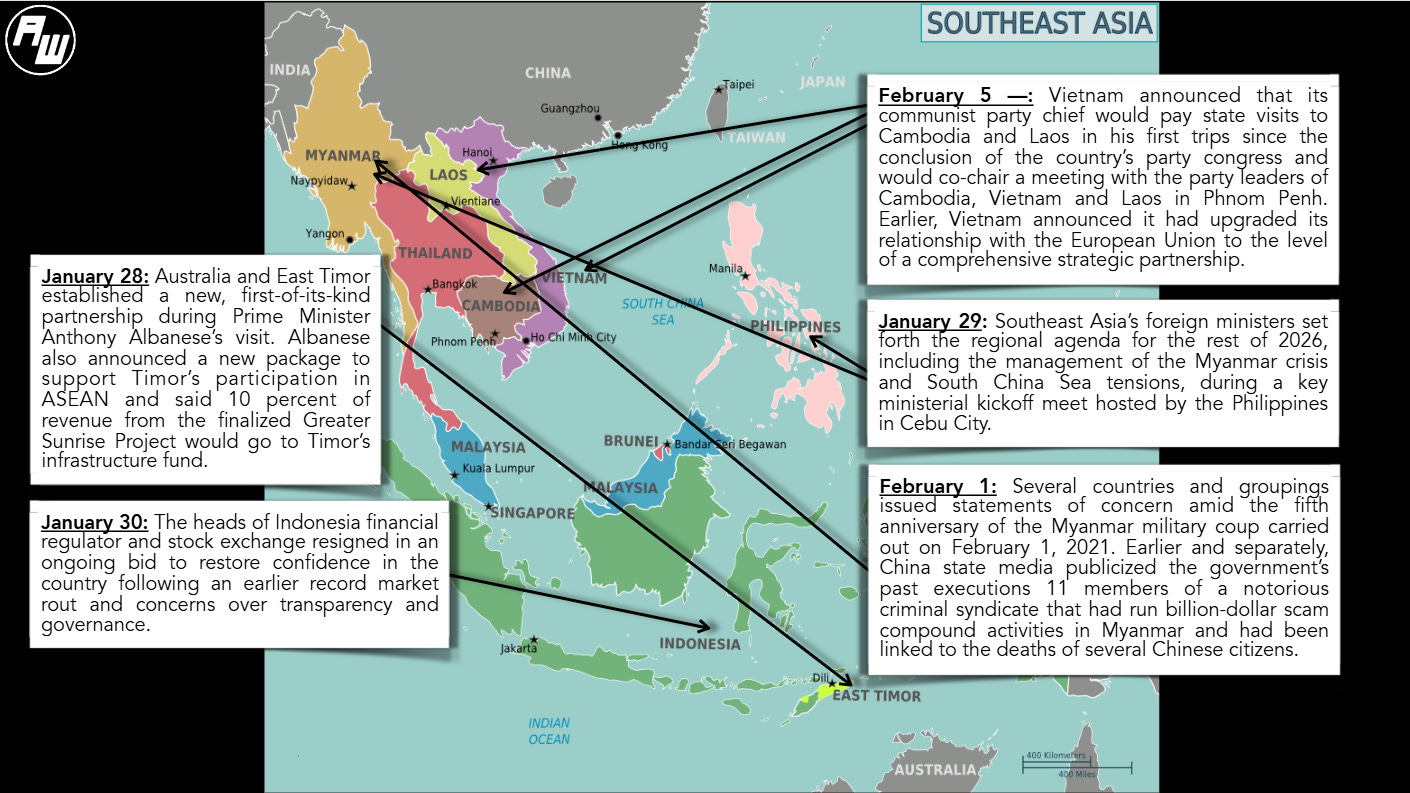
Mapping of regional developments, including a new partnership upgrade and giant scam crackdown fallout spotlight;
Charting evolving security and economic trends such as quiet trade pact entry; first artificial intelligence test and big infrastructure deal;
Tracking and analysis of industry developments and quantitative indicators including coming cross-border geoeconomic win; giant project restart kickoff and global ranking climb quest;
And much more! ICYMI, check out our ASEAN Wonk review earlier this week of a new book on the future prospects for China’s Sinocentric institutional strategy in the Global South and beyond.
This Week’s WonkCount: 2,248 words (~10 minutes)


New Partnership Upgrade; Scam Crackdown Spotlight & More

Critical Mineral Stockpiling; Countering Criminal Networks & Trade DNA Test
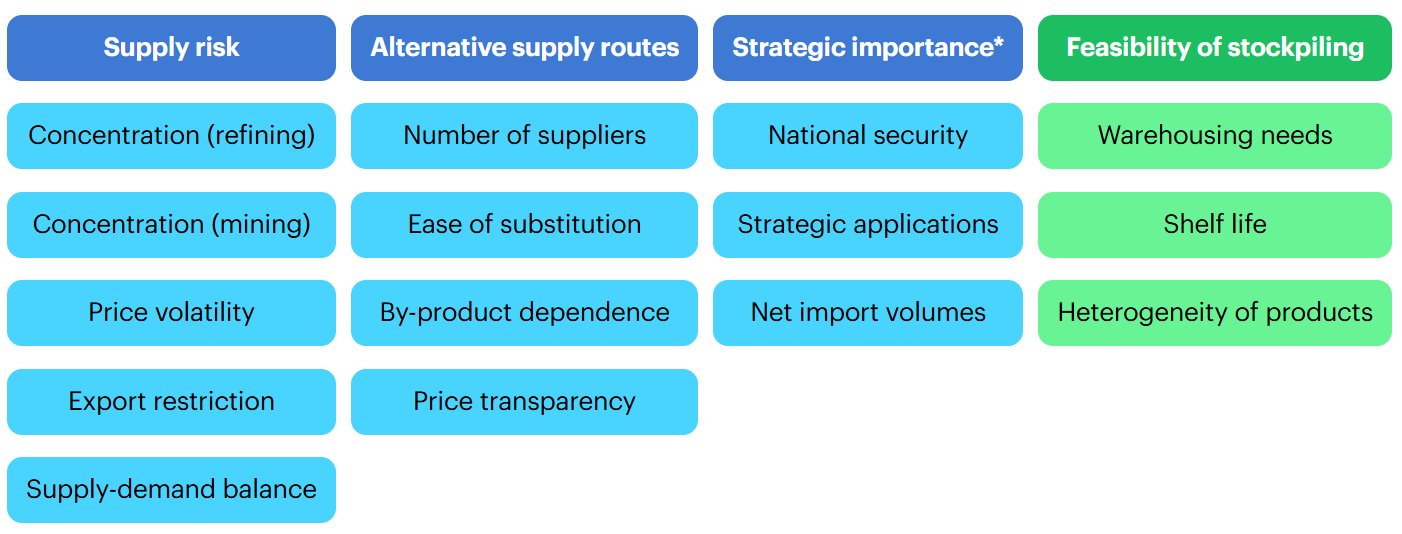
“These developments underscore that concentration risks in mineral supply chains are no longer a theoretical concern but pose tangible and growing threats to countries’ economic and national security,” notes an analysis of critical mineral supply chains released by the International Energy Agency. The report shares a framework for governments to assess feasibility and planning of stockpiling various critical minerals (link).
Graphic Representing Critical Minerals Stockpiling Assessment Framework
“This incident should therefore be an important reminder to the international community to target the criminal networks behind these crimes rather than taking a country-by-country approach,” notes an article by the Global Initiative Against Transnational Organized Crime on the arrest of Chen Zhi for his cyber fraud empire. The piece highlights details of the arrest and the significance for the cyber crime hubs in Cambodia and more generally in Southeast Asia (link).

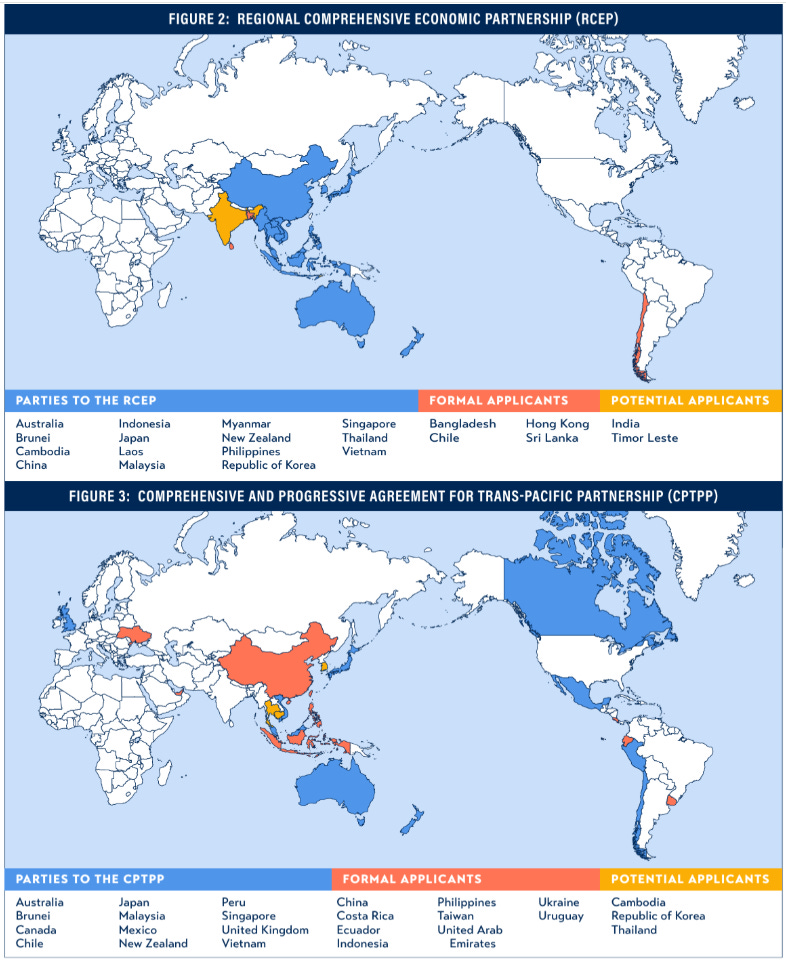
“Trade is in the blood in Asia, and these countries continue to forge ahead with trade arrangements with multiple partners,” notes a report by the Asia Society Policy Institute that analyzes trends in Asia trade cooperation. The publication includes insights into how countries are approaching trade agreements and offers recommendations for economic cooperation (link).

Map Depicting Participants Of Global Economic Partnerships

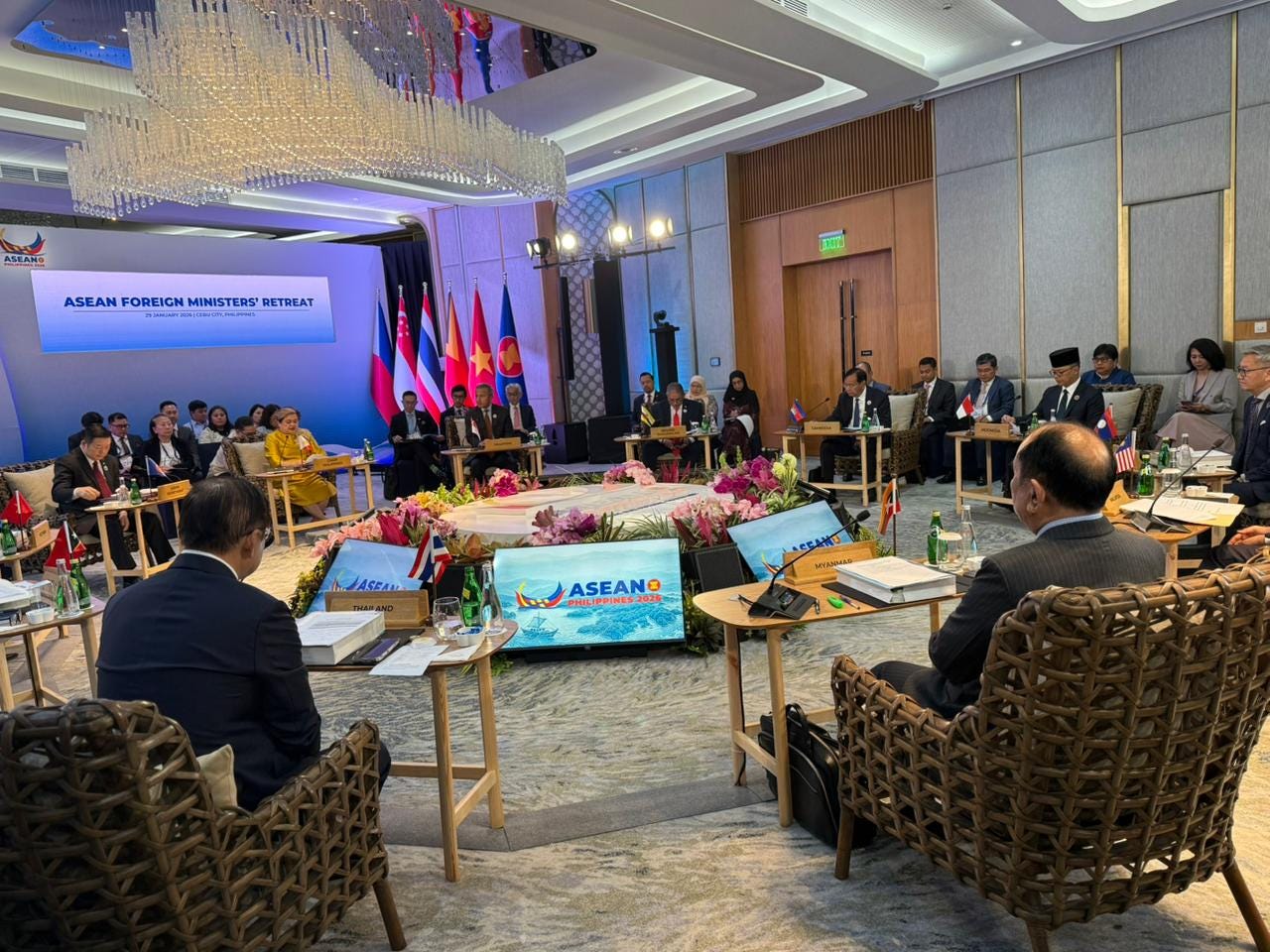
2026 Flashpoint Foreign Policy Kickoff in Southeast Asia
What’s Behind It
Southeast Asian countries set forth the foreign policy agenda for the rest of 2026 during a key ministerial kickoff meet1. The meeting came alongside other developments in key flashpoints as well as geoeconomic and geopolitical datapoints. The Philippines saw the publicizing of its latest ”maritime cooperative activity” amid ongoing speculation about the status of decades-old South China Sea code of conduct talks, with officials privately citing different views when asked about meaningful progress towards an end of 2026 push beyond publicized percentage completeness figures2. Meanwhile, a series of statements of concern were issued as Myanmar marked the fifth anniversary of the February 1, 2021 military coup, while Thailand’s military publicized warning shots fired at Cambodia after what it called laser targeting near a base ahead of coming polls as one top diplomat drew a distinction between national and party interests3.
Select Key Recent Foreign and Security Policy Developments in Southeast Asia
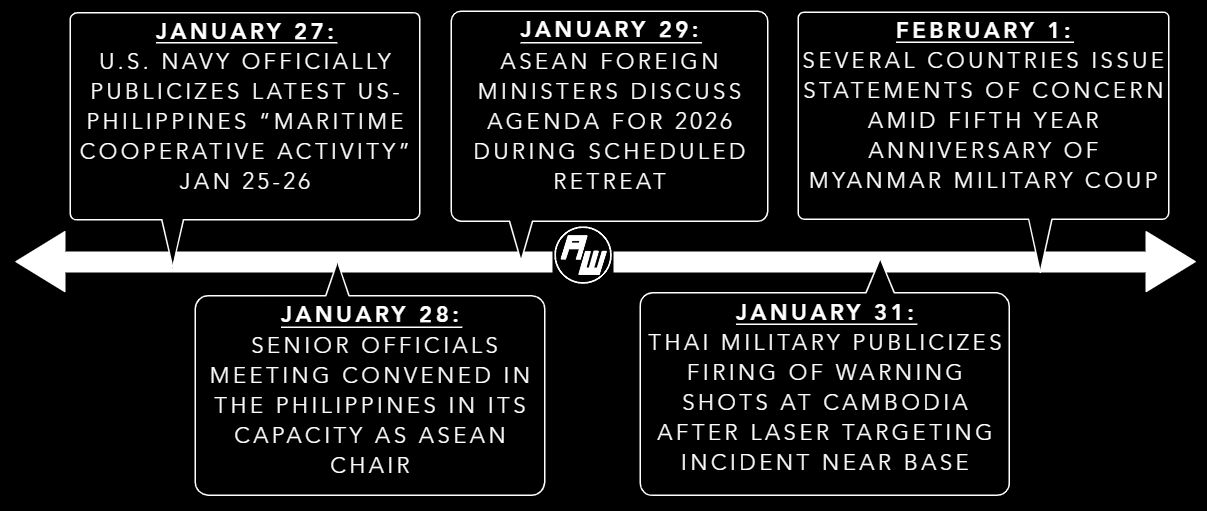
The meeting also came amid questions around major power and partner engagement set to recur this year which were also a feature in sideline interactions. One case in point was the resumption of previously suspended China-Philippine private maritime consultations even as the interplay between Beijing’s continued assertiveness and Philippine government interagency dynamics has been increasingly spilling over into the public domain4. Another which received less focus was ongoing conversations around the potential for more global sectoral cooperation with the Global South (officially under the banner of “South-South cooperation”) as well as minilaterally via trilateral mechanisms that go beyond narrower past bilateral understandings5.
Why It Matters
The dynamics also spotlighted datapoints to watch with wider implications (see originally generated ASEAN Wonk table below on notable areas to monitor and additional specifics. Paying subscribers can read on for more on what to expect and future implications in the rest of the “Why It Matters” and “Where It’s Headed” sections, along with paid-only sections of the newsletter as usual).
Future Datapoints to Watch, Along with Select Major Priorities and Key Policy Aspects
