

A new book reveals China’s own future vision for Indo-Pacific and world order beyond evolving Global South rhetoric and rules-based order concerns.
WonkCount: 1,467 words (~6 minutes)

Review: Will China Global South Multilateral Strategy Work?
Context
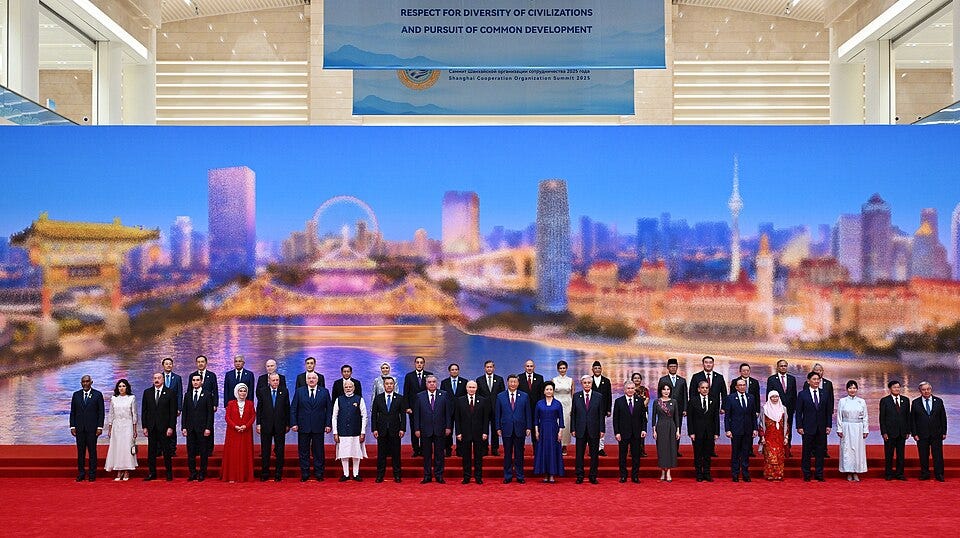
“Multilateralism is the right way to keep the international order stable,” China Vice-Premier He Lifeng noted in remarks last week on China’s vision for global order as its engagement takes shape in 20261. While the rhetoric belies the reality of China’s preference for bilateral and unilateral approaches over multilateral ones when it suits its interests in regions like Southeast Asia and on issues such as the South China Sea — not unlike the behavior that would be expected of most bigger powers — the statement was nonetheless the latest instance of how Beijing has sought to leverage uncertainties over U.S. global leadership to position itself as a torchbearer of multilateralism in the Global South and the wider world2.
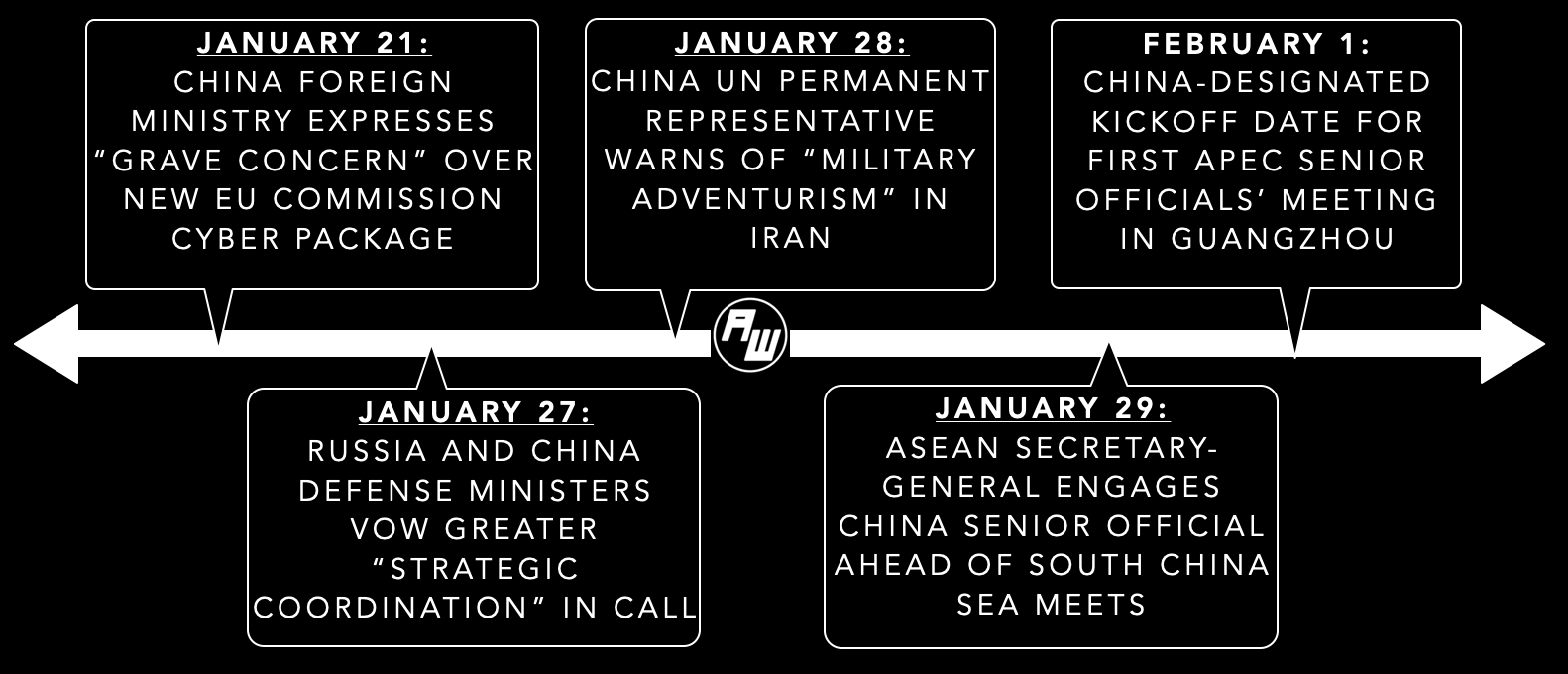
Select Key Recent China-Related Geopolitical and Geoeconomic Developments
A new book The Dragon’s Emerging Order edited by scholar Joel Ng sheds light on China’s own future vision for Indo-Pacific and world order beyond evolving Global South rhetoric and rules-based order concerns3. In doing so, it adds to recent books that have examined China’s own evolving geopolitical and geoeconomic dynamics amid a shifting global order, including ones we have reviewed previously on ASEAN Wonk such as former Australia prime minister Kevin Rudd’s On Xi Jinping and technology analyst Dan Wang’s Breakneck. The Dragon’s Emerging Order argues that China is actively building a network of new global and regional institutions that operate outside the rules-based order, rather than simply challenging existing rules. “If the world is indeed moving to a multipolar system, then we can already observe today what those poles look like, and China has impressed its preferences through Sinocentric multilateralism,” the book argues before laying out potential futures for Beijing’s approach across individual regions and institutions4.
Analysis
The book also highlights key datapoints to watch on potential futures (see two originally-generated ASEAN Wonk tables below for a summary of important contours. Paying subscribers can also read the rest of the “Analysis” section and “Implications” section looking at how these dynamics play out in the future).
Future Datapoints to Watch, Along With Major Strategic Pathways and Key Institutions
