

Greetings to new readers and welcome all to the latest edition of the weekly ASEAN Wonk BulletBrief! If you haven’t already, you can upgrade to a paid subscription for $5 a month/$50 a year below to receive full posts by inserting your email address and then selecting an annual or monthly option. You can visit this page for more on pricing for institutions, groups as well as discounts. For current paid subscribers, please make sure you’re hitting the “view entire message” prompt if it comes up at the end of a post to see the full version.
For this iteration of ASEAN Wonk BulletBrief, we are looking at:
Assessing the geopolitical and geoeconomic implications of the Trump administration’s new National Security Strategy and stakes for Southeast Asia and the Indo-Pacific region;
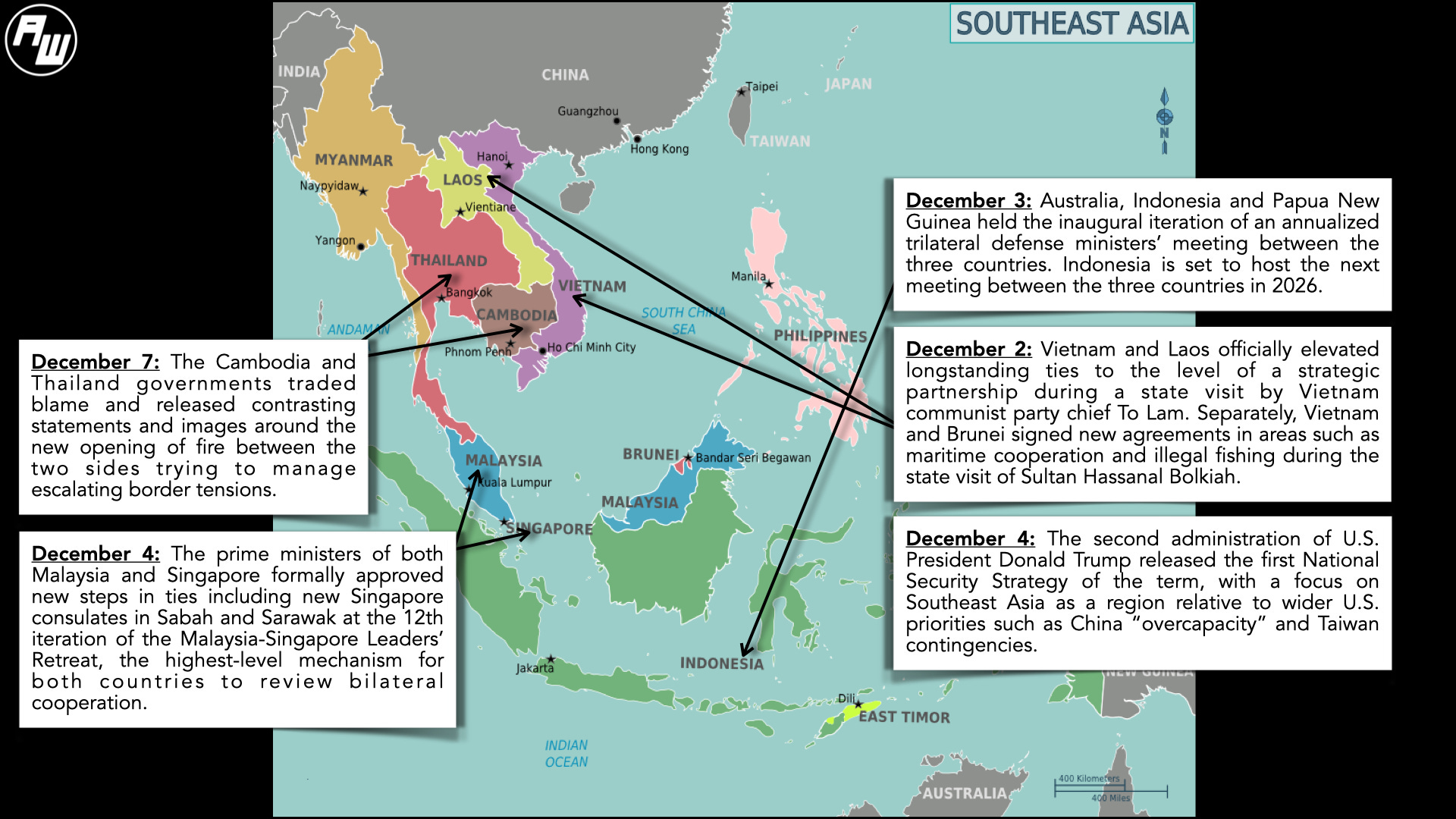
Mapping of regional developments, including inaugural trilateral mechanism launch and cross-border summitry;
Charting evolving geopolitical, geoeconomic and security trends such as quiet trade pact talks; coming 5G rollout; and new sovereign wealth fund;
Tracking and analysis of industry developments and quantitative indicators including big semiconductor push; new cyber defense initiative; and future cross-border rail link;
And much more! ICYMI, check out our ASEAN Wonk review earlier this week of a new book by a former top diplomat that questions the utility of the “Asian Century” prism in forecasting regional futures.
This Week’s WonkCount: 2,368 words (~10 minutes)


New Trilateral Launch; Neighborhood Summitry & More

Asia’s Coming Demographic Shifts; ASEAN Summitry and Correcting Maritime Misperceptions
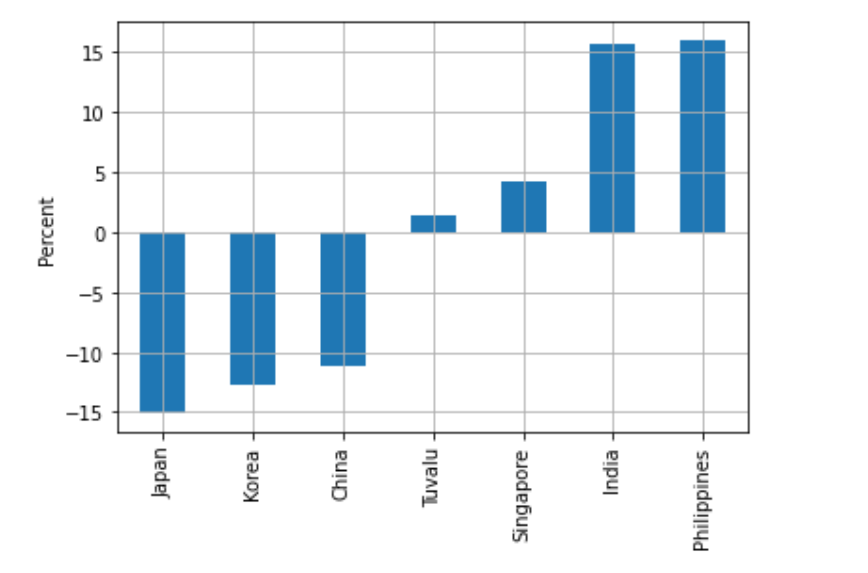
“The compositional effects on demographics on total consumption can be large when middle-aged population changes rapidly,” cautions a new report published by the International Monetary Fund looking at regional trends in Asia out to 2050. The report delves into granular metrics including the sensitivity of particular geoeconomic areas and age groups to shifting demographic and consumption trends (link).
Population Growth in Select Asia Economies Out to 2050
“With the Philippines set to assume the ASEAN chair in 2026, the first year of implementing the new ASEAN-New Zealand Plan of Action will bing new momentum to our relationship,” argues a new commentary written by New Zealand’s ambassador to its ASEAN mission as part of a collection published by CSIS Jakarta. The collection includes a range of topics such as sectors like energy and artificial intelligence (link).

“There is urgency to make this correction because in the last three months, China has ramped up its propaganda that Scarborough Shoal is not part of Philippine territory,” former Philippine Supreme Court justice Antonio T. Carpio noted in a commencement speech subsequently published in Rappler. The speech sets out a historical and legal narrative that it argues “should be taught in all our schools, from grade school to college, so that every Filipino will know by heart the extent of Philippine territory.” (link).
![[ANALYSIS] Correcting the gravest misconception in Philippine history](https://substackcdn.com/image/fetch/$s_!eNFH!,f_auto,q_auto:good,fl_progressive:steep/https%3A%2F%2Fsubstack-post-media.s3.amazonaws.com%2Fpublic%2Fimages%2F7ea0216f-ae74-4b2f-8156-e8d7779f6850_1920x1080.jpeg "[ANALYSIS] Correcting the gravest misconception in Philippine history")

New Trump National Security Strategy: Southeast Asia Stakes
What’s Behind It
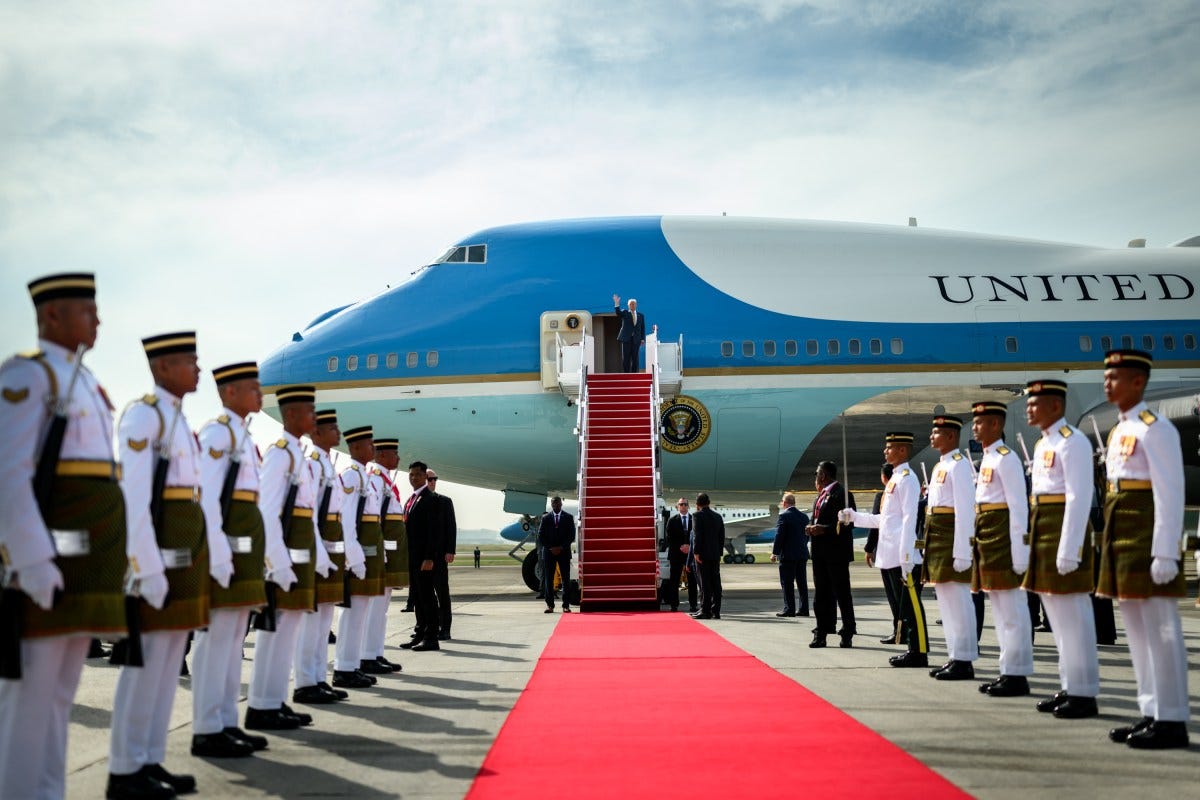
The Trump administration’s newly-released National Security Strategy raises the question of the stakes for regions like Southeast Asia amid broader uncertainties about the administration’s approach to the Indo-Pacific and the globe more generally1. The delayed NSS release overshadowed some other notable policy developments that have been seen as U.S. engagement kicks back into full gear after the longest-ever government shutdown ended in the middle of last month and the end of the year approaches2. To take just one example with respect to U.S. defense policy, amid the focus on the NSS, U.S. Defense Secretary Peter Hegseth also previewed the outlines of the forthcoming National Defense Strategy (NDS) as well over the weekend in an engagement closely scrutinized by the wider security community3.
Select Key Recent Geopolitical and Geoeconomic Developments in US Policy Related to Southeast Asia
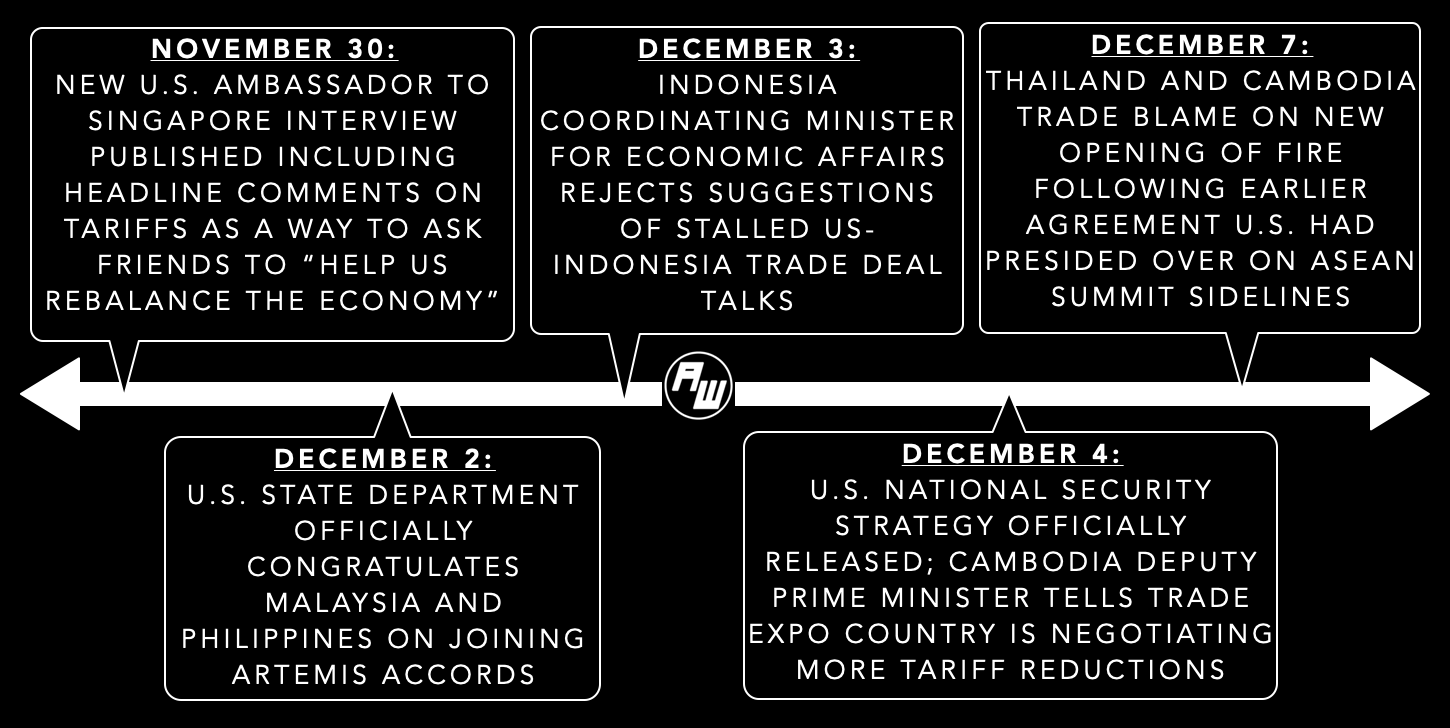
The new NSS offers some indicators of how interagency dynamics are playing out in some areas of focus in the administration’s evolving approach to Southeast Asia and the Indo-Pacific, even if specific priorities and policies are still in early stages of development. The headlines around specific individuals such as the new U.S. ambassador to Singapore are less representative or indicative of U.S. policy and are not even the most dramatic datapoints historically — to take one example still cited today by some senior diplomats, back in the 1970s, another nominee for the post infamously wondered aloud during his confirmation hearing about whether there were in fact two Koreas when asked about inter-Korean dynamics4. More substantive questions surround key policy areas such as trade deals. For instance, though the NSS is bombastic in claiming achievements to date in this regard, one senior administration official captured lingering frustration about getting more Southeast Asian countries like Indonesia on board quickly by calling them “recalcitrant” at a high-profile economic forum amid already intensified focus on this issue among regional publics.5
Why It Matters
The dynamics also spotlighted datapoints to watch with wider implications (see originally generated ASEAN Wonk table below on notable areas to monitor and additional specifics. Paying subscribers can read on for more on what to expect and future implications in the rest of the “Why It Matters” and “Where It’s Headed” sections, along with paid-only sections of the newsletter as usual).
Regional Datapoints to Watch, Along With Major Policy Pillars and Select Key Focus Areas
