

Greetings to new readers and welcome all to the latest edition of the weekly ASEAN Wonk BulletBrief! If you haven’t already, you can upgrade to a paid subscription for $5 a month/$50 a year below to receive full posts by inserting your email address and then selecting an annual or monthly option. You can visit this page for more on pricing for institutions, groups as well as discounts. For current paid subscribers, please make sure you’re hitting the “view entire message” prompt if it comes up at the end of a post to see the full version.
For this iteration of ASEAN Wonk BulletBrief, we are looking at:
Assessing the geopolitical and geoeconomic significance of growing cross-regional fallout from escalating Middle East conflict following Iran strikes;
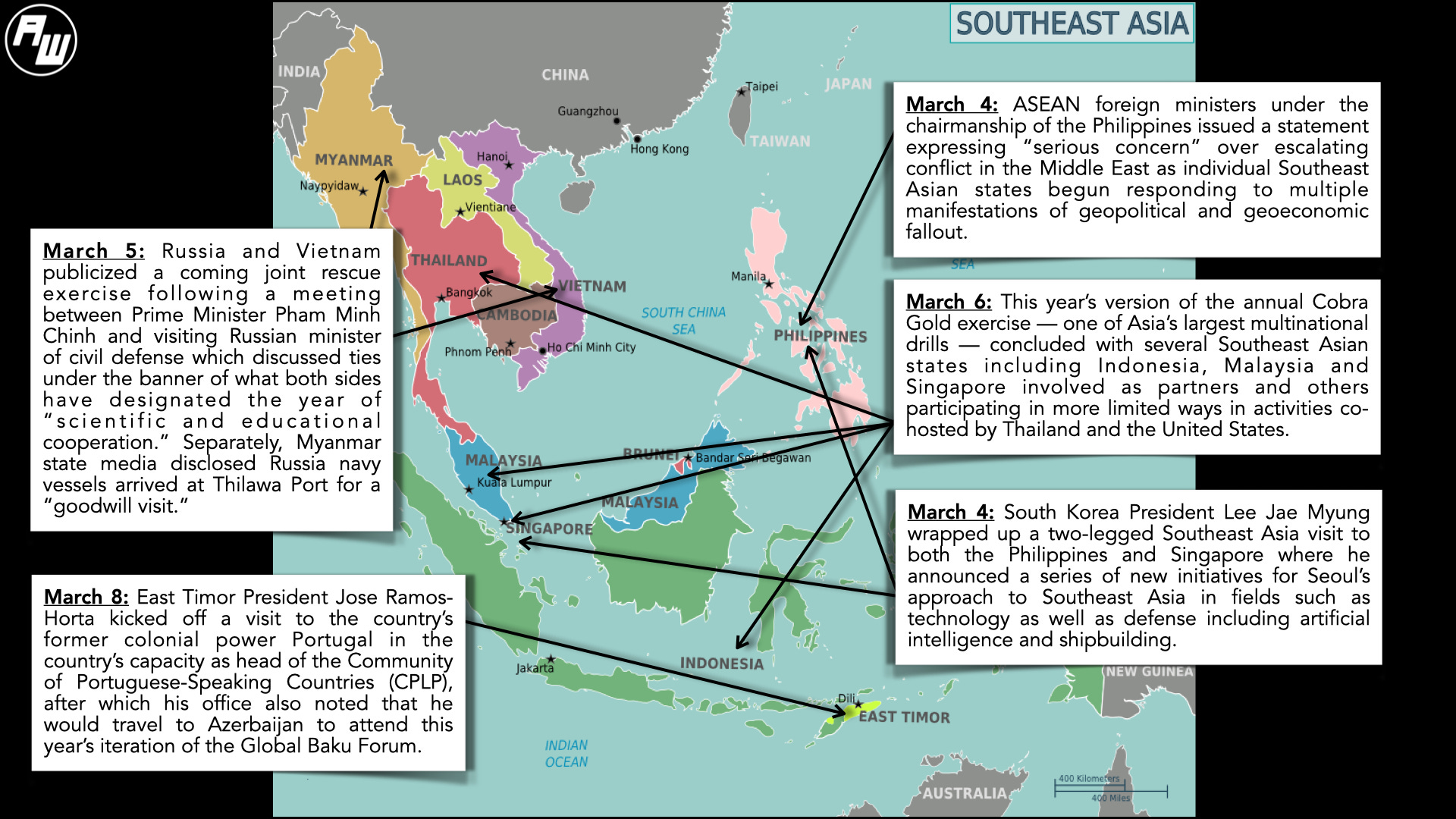
Mapping of regional developments, including Cobra Gold multinational exercise spotlight and tech power expansion talk;
Charting evolving geopolitical, geoeconomic and security trends such as new disinformation alliance; quiet China infrastructure inroads and trade dispute advance;
Tracking and analysis of industry developments and quantitative indicators including rare earths pushback; rising port fears; geoeconomic diversification quantification and more;
And much more! ICYMI, check out our ASEAN Wonk review earlier in the week of a new book by a sitting president on future pathways for new world order power rebalancing, with implications for the Global South, the Indo-Pacific, Southeast Asia and beyond.
This Week’s WonkCount: 2,526 words (~11 minutes)


Cobra Gold Spotlight; Tech Power Expansion Talk & More

China Geoeconomic Reality; 2026 Trade Agenda & Mounting Regional Security Challenge
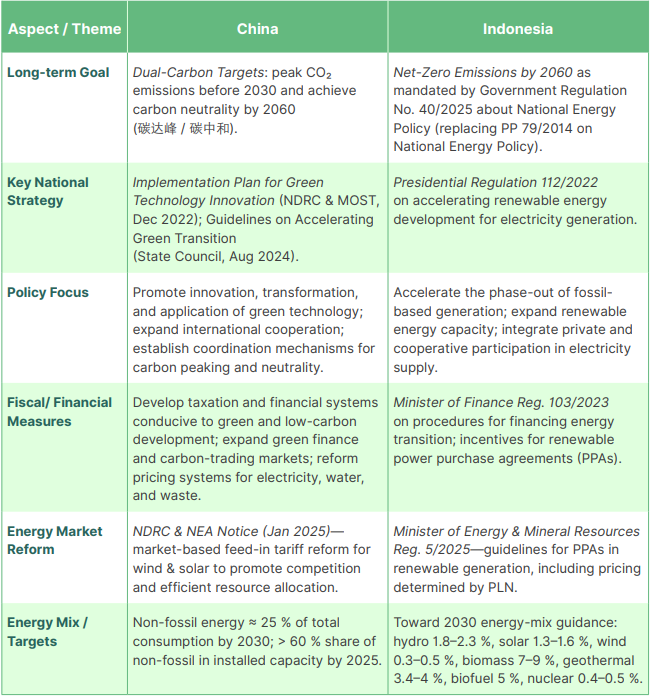
“The global dominance of Chinese clean technology products makes engagement with China an unavoidable reality,” argues an independent energy transition report published with collaboration from Indonesia’s foreign ministry. The findings draw on several engagements including an Indonesia-China Track 1.5 dialogue and an in-depth study of China given what is cited as a “identified gap of knowledge and experience…at the level of foreign policy engagement” in the sector (link).
Report Depiction of Select Major Future Areas in China Indonesia Sectoral Partnership
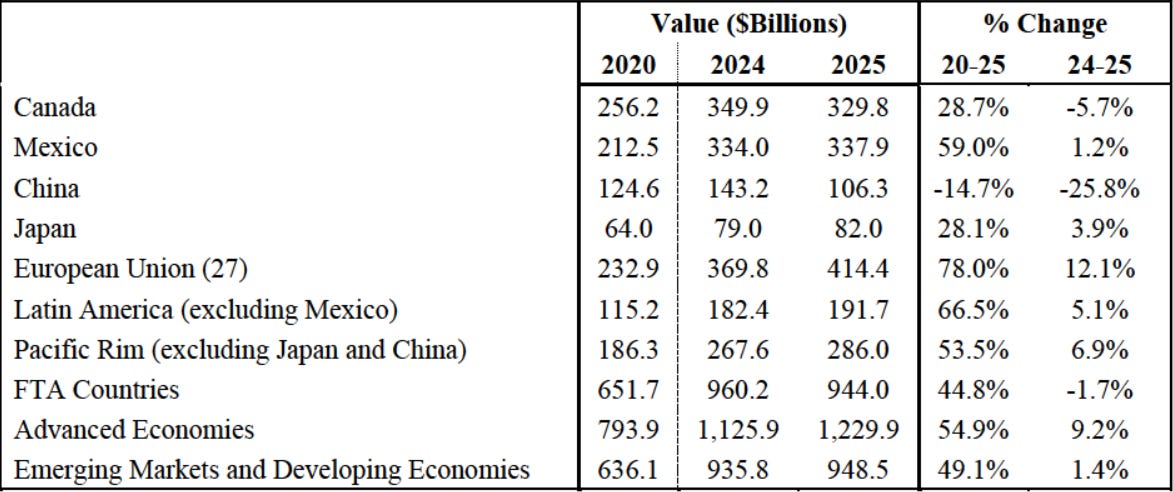
“The administration…will focus on six core areas,” according to the 2026 U.S. trade policy agenda officially publicized as being delivered to Congress on March 2. The agenda acknowledges that tools for the Agreement on Reciprocal Trade (ART) program – which includes deals with Southeast Asian countries – “are subject to judicial review and may change when appropriate” following a Supreme Court ruling even as it is expected to remain a pathway for engagement. Other cited priorities include China trade, review of the U.S.-Mexico-Canada agreement and securing sectoral supply chains in areas like critical minerals (link)
US Annual Trade Policy Report Depiction of U.S. Good Exports to Select Countries/Regions
“Myanmar’s present instability and the fragile or fragmented governance landscape…require considering how ASEAN discussions in the different sectors of cooperation can address this unique situation in a member state unable to meet its regional commitments,” notes a paper on Myanmar’s security challenges and its wider regional and global implications published by the Kyoto Review of Southeast Asia. The paper delves into a range of areas including conflict, cybercrime displacement, and climate (link).


Iran Fallout Rocks Southeast Asia Amid Middle East Conflict
What’s Behind It
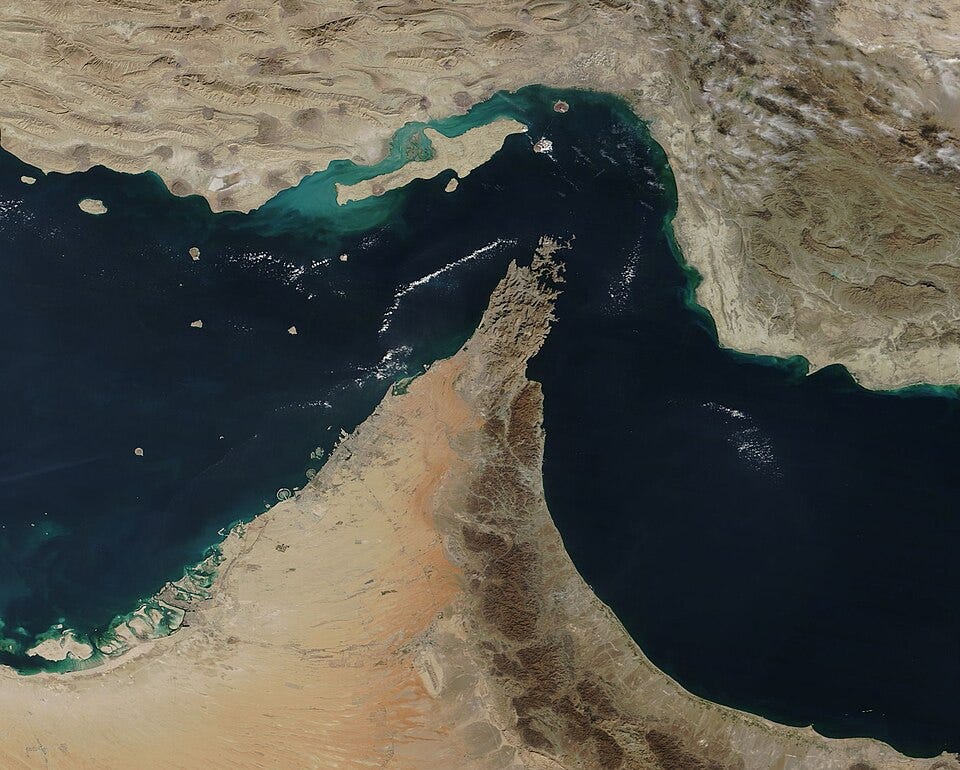
The fallout from Middle East conflict has rocked the Indo-Pacific including Southeast Asia over the past week1. The fallout has further complicated an already complex global flashpoint agenda ahead of engagements related to everything from U.S.-China summitry to Russia-Ukraine-related diplomacy. Disagreements among major powers have disrupted even usually routine datapoints like the release of the Security Council’s monthly agenda that ASEAN Wonk understands included a private meeting on Myanmar this past week featuring a briefing from the Philippines as current holder of the rotating special ASEAN envoy position — the first such designated session since the end of the military junta’s multi-phased election bid2. Developments like the sinking of an Iranian vessel off of Sri Lanka were also testament to cross-regional implications hitting Indo-Pacific areas like the Indian Ocean, with the subject being among those in focus at this year’s iteration of the annual Raisina Dialogue in New Delhi amid some delegate cancellations3.
Select Major Recent and Relevant Geopolitical Developments Amid Middle East Conflict
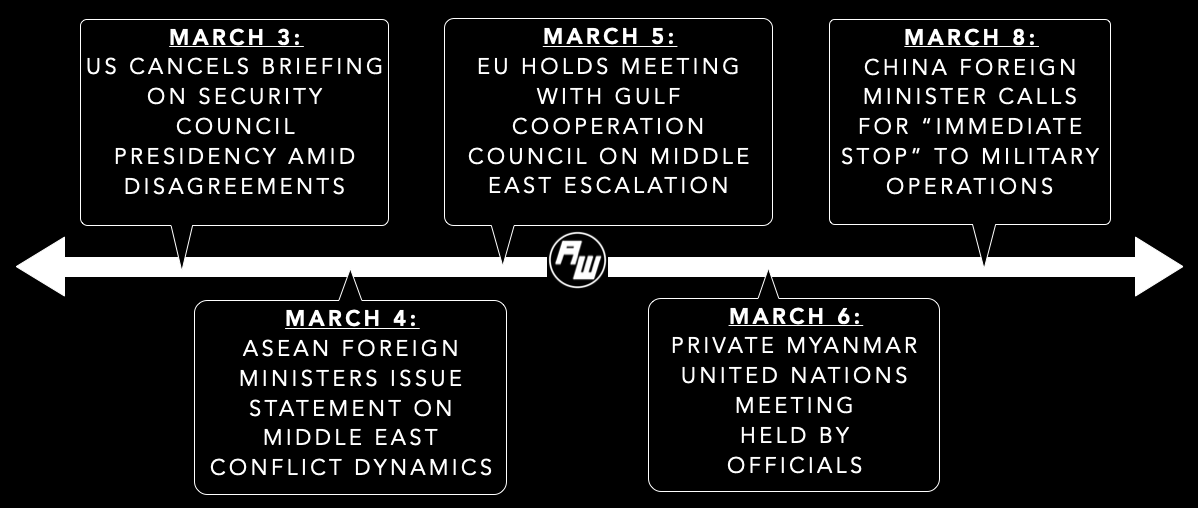
The geoeconomic and geopolitical implications are already deepening for regional governments beyond ASEAN’s own response. As one Southeast Asian diplomat noted to ASEAN Wonk, the fact that a majority of Southeast Asian governments had already issued statements on the deteriorating situation in the Middle East before the release of an ASEAN-wide statement at the foreign ministerial level was testament to the grouping’s understandable struggle to release a consensus-based statement amid a new crisis as well as diverging stakes and perspectives4. Philippine officials have been candid about the challenges on this front as this year’s ASEAN chair amid shifting major power and sectoral engagements, and countries in both maritime and mainland Southeast Asia have already begun to announce a series of new policy steps that extend beyond immediate concerns around citizen security and energy supplies5.
Why It Matters
The dynamics also spotlighted datapoints to watch with wider implications (see originally generated ASEAN Wonk table below on notable areas to monitor and additional specifics. Paying subscribers can read on for more on what to expect and future implications in the rest of the “Why It Matters” and “Where It’s Headed” sections, along with paid-only sections of the newsletter as usual).
New Policy Actions to Watch, Alongside Major Domains and Key Countries
