

Greetings to new readers and welcome all to the latest edition of the weekly ASEAN Wonk BulletBrief! If you haven’t already, you can upgrade to a paid subscription for $5 a month/$50 a year below to receive full posts by inserting your email address and then selecting an annual or monthly option. You can visit this page for more on pricing for institutions, groups as well as discounts. For current paid subscribers, please make sure you’re hitting the “view entire message” prompt if it comes up at the end of a post to see the full version.
For this iteration of ASEAN Wonk BulletBrief, we are looking at:
Assessing the geopolitical and geoeconomic significance of a new “might makes right” alert call issued at a key recent forum;
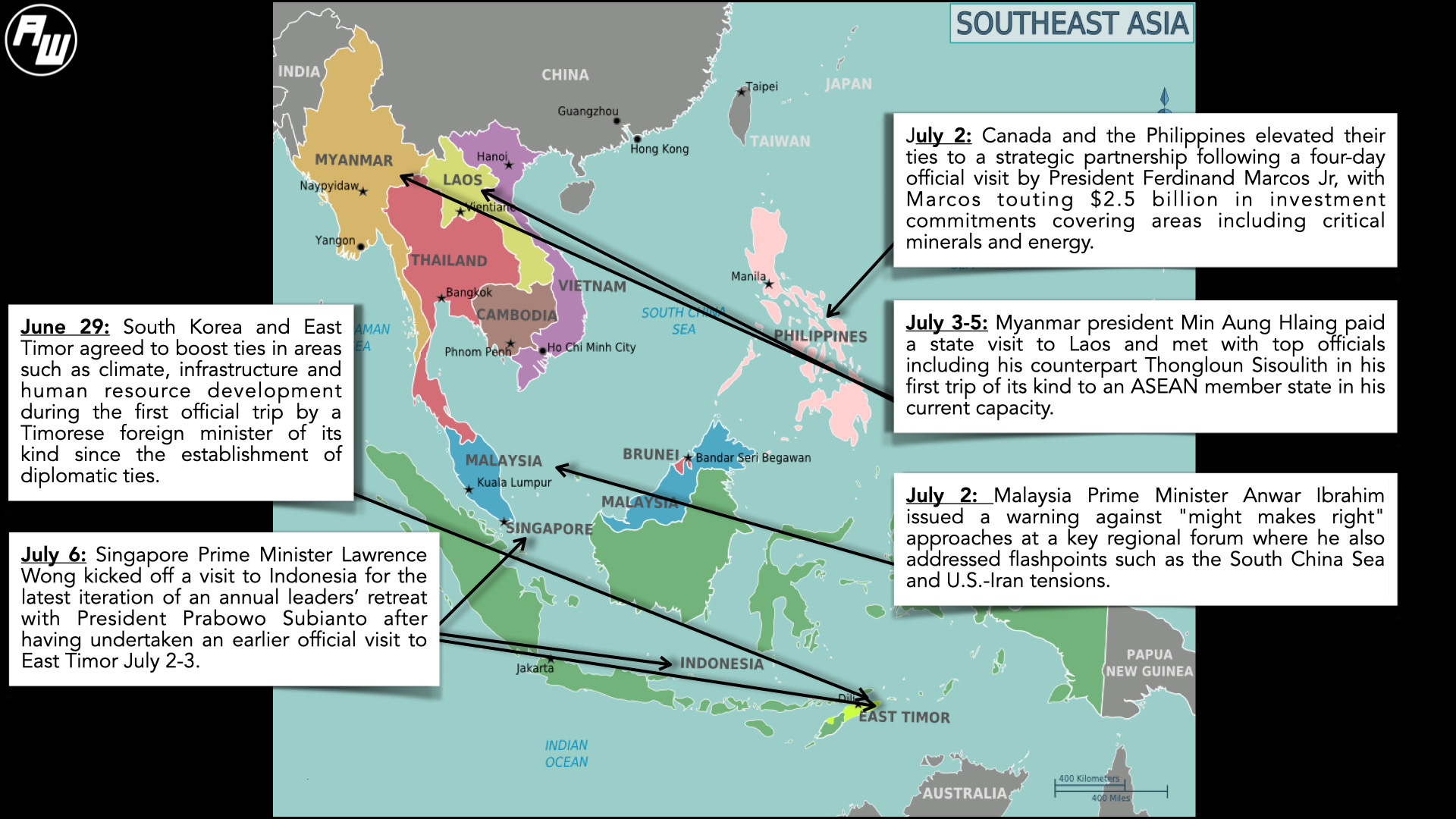
Mapping of regional developments, including new strategic partnership addition and first ministerial dialogue;
Charting evolving geopolitical, geoeconomic and security trends such as megaproject recalibration; new fighter jet deal and cross-border project delay;
Tracking and analysis of industry developments and quantitative indicators including submarine cable bid; cyber command kickoff and new trade deal;
And much more! ICYMI, check out our ASEAN Wonk review earlier this week of a recent book from a former army major general on new lessons and innovations that could shape regional and global conflict futures.
This Week’s WonkCount: 1,947 words (~9 minutes)


New Strategic Partnership Addition; First Ministerial Voyage & More

Fragmentation Realities; Artificial Intelligence Safeguards & Indo-Pacific Expertise Spotlight
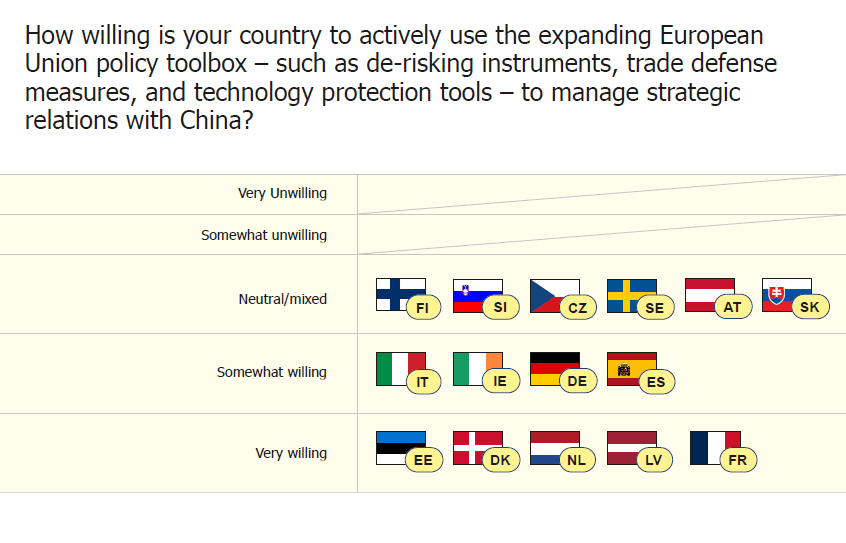
“[W]hen it comes to the details of implementation, alignment among EU capitals is still lacking,” argues a new report released by the European Think-Tank Network on China which includes survey data on how European countries are navigating China’s as a technological power (link).
Visualization of Survey Findings on Country Willingness to Use Policy Tools to Manage Relations with China
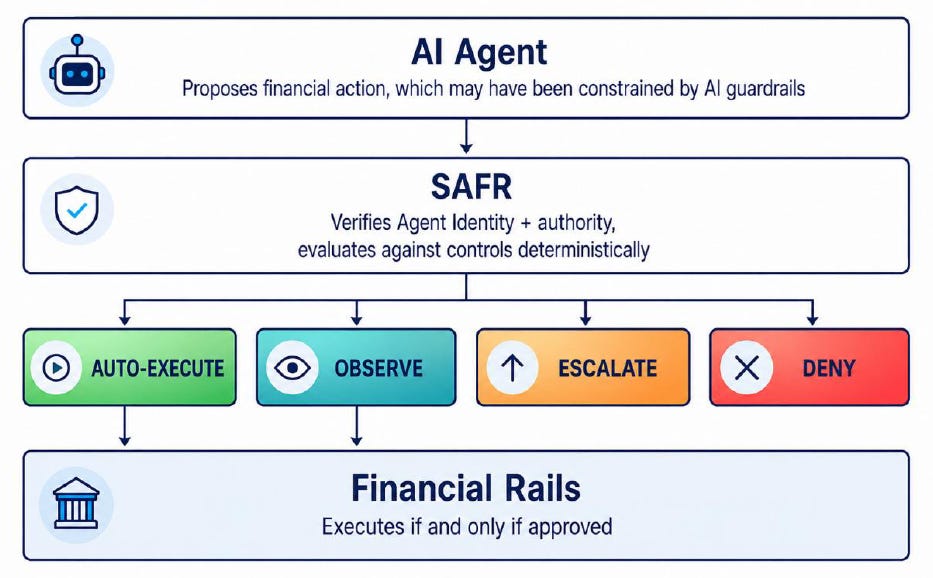
“As AI agents…increasingly carry out tasks autonomously and at speed beyond practical human intervention, financial institutions need real-time safeguards,” according to a new white paper released by the Monetary Authority on Singapore along with key financial institutions and fintechs (link).
Depiction of AI Agent and Ecosystem Safeguards for Agentic Finance at Runtime or SAFR
“Despite 15 years of emphasis on the growing threat posed by China and the strategic importance of the broader Indo-Pacific region across presidential administrations, focus on the theater among the U.S. armed Services remains uneven,” notes a new study released by the Center for Strategic and Budgetary Assessments on regional expertise in the U.S. armed forces (link).


New Might Makes Right Alert at 2026 Asia-Pacific Roundtable
What’s Behind It
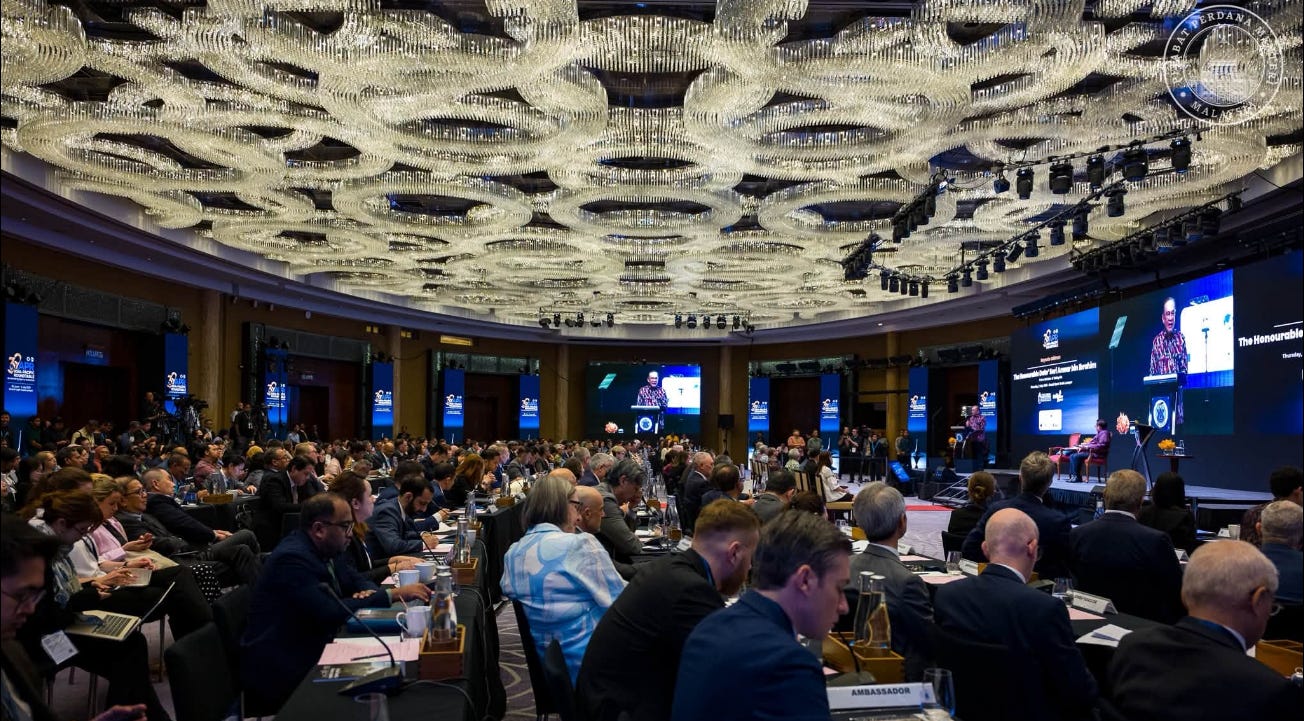
A new alert on the rise of “might makes right” approaches was issued at a key regional forum this past week1. The alert by Malaysia Prime Minister Anwar Ibrahim at this year’s iteration of the Asia-Pacific Roundtable (APR) in Kuala Lumpur — following from other expressions of anxiety by regional officials earlier this year — came alongside other events convened in the regional calendar this past week2. These included expert working group meetings under the ASEAN Defense Ministers Meeting (ADMM) banner as well as the holding of a global conference on sustainable development ahead of IMF and World Bank meetings scheduled to be hosted in Bangkok later this year as well3.
Select Key Recent Geopolitical and Geoeconomic-Related Developments in Southeast Asia
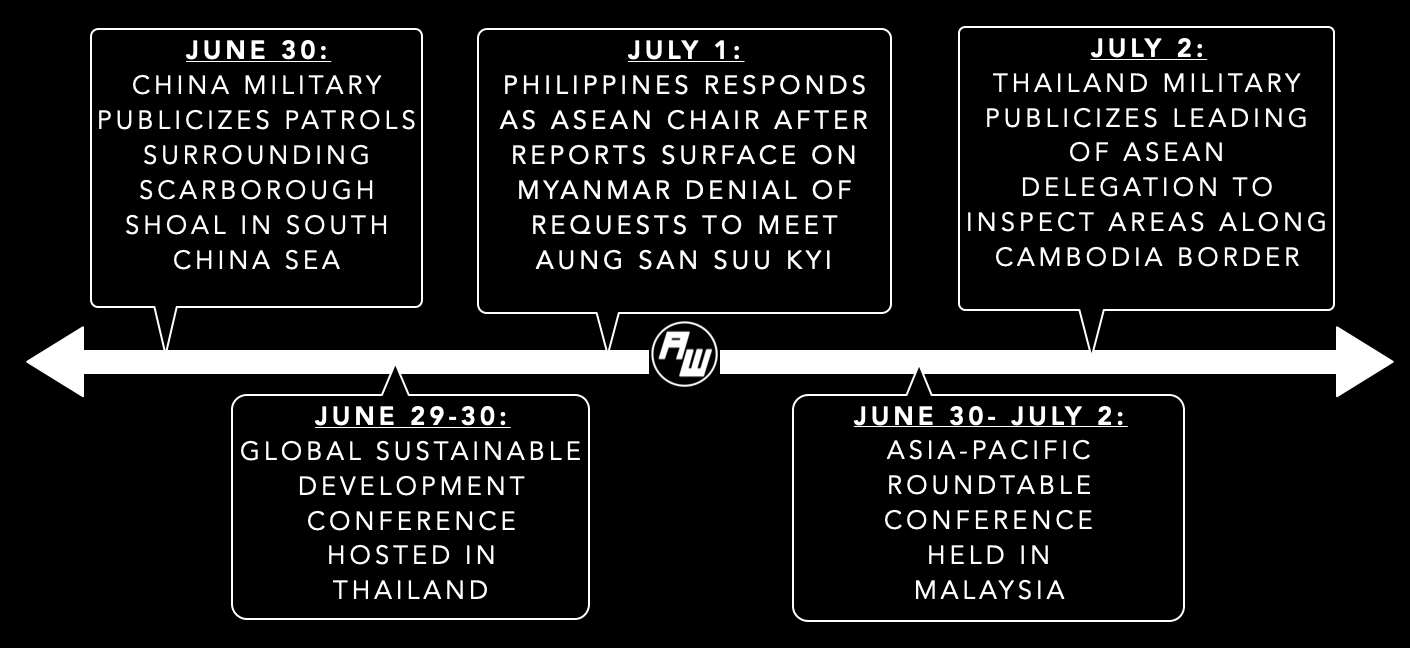
The alert also highlighted shifting flashpoint dynamics at play with wider Indo-Pacific and global implications. On the outlook for key regional geopolitical flashpoints for instance, Anwar argued that recent leader engagements had revealed that “the devil is in the details” with respect to a long-mulled regional South China Sea code of conduct with China and that there was the necessity for a “more pragmatic” approach to Myanmar by Southeast Asian states amid other “geopolitical and geoeconomic fluctuations” that have been increasingly consuming the region4.
Why It Matters
The dynamics also spotlighted ongoing policy dynamics and details with wider implications (see originally generated ASEAN Wonk table below on notable areas to monitor and additional specifics. Paying subscribers can read on for more on what to expect and future implications in the rest of the “Why It Matters” and “Where It’s Headed” sections, along with paid-only sections of the newsletter as usual).
Notable Additional Details, Along With Ongoing Policy Dynamics And Select Strategic Issues
