

Greetings to new readers and welcome all to the latest edition of the weekly ASEAN Wonk BulletBrief! If you haven’t already, you can upgrade to a paid subscription for $5 a month/$50 a year below to receive full posts by inserting your email address and then selecting an annual or monthly option. You can visit this page for more on pricing for institutions, groups as well as discounts. For current paid subscribers, please make sure you’re hitting the “view entire message” prompt if it comes up at the end of a post to see the full version.
For this iteration of ASEAN Wonk BulletBrief, we are looking at:
Assessing the geopolitical and geoeconomic significance of new plurilateral collaboration futures and their wider strategic implications;
Mapping of regional developments, such as force deployment futures and peacekeeper death fallout crisis;
Charting evolving geopolitical, geoeconomic and security trends such as China setback reversal; big pact termination talk; and scam center tracking;
Tracking and analysis of industry developments and quantitative indicators including cyber law scrutiny; quiet sectoral pact networking; new foreign talent goals and more;
And much more! ICYMI, check out our ASEAN Wonk review earlier this week of a new book published by a renowned prime minister on rethinking the Global South script for a “postnormal” age.
This Week’s WonkCount: 2,336 words (~10 minutes)


Peacekeeper Death Fallout; Rotational Force Spotlight & More

Global Trade Pulse Check; Nuclear Scenario Futures & Geoeconomic Statecraft Fusion
“The opportunity is that WTO members finally grasp the nettle and figure out a reform agenda fit for purpose… decisions by subsets of members…may yet spur recognition that times have truly changed,” argues a new commentary published by the Hinrich Foundation assessing the latest ministerial conference of the World Trade Organization, which saw some members proceeding with the implementation of a key e-commerce agreement. The commentary argues that opportunities in agreements by subsets of members also comes with risks that could sideline the body in global trade rules (link).
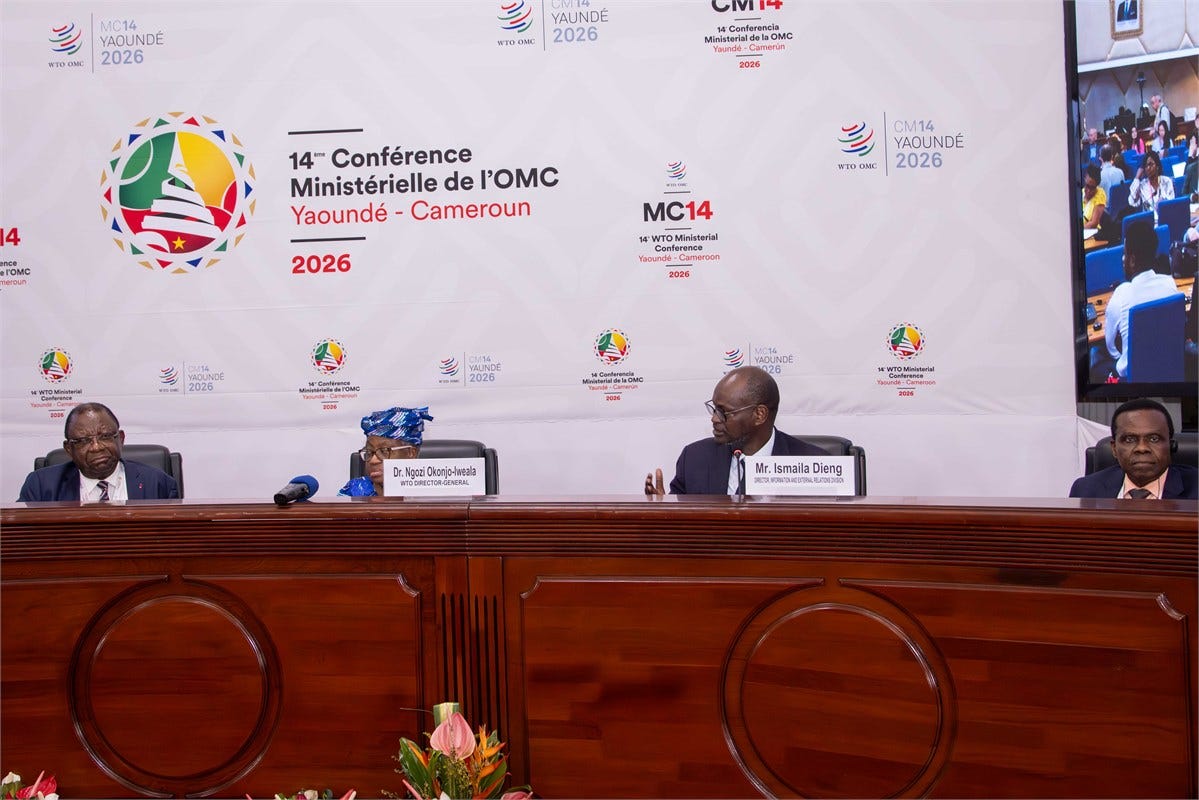
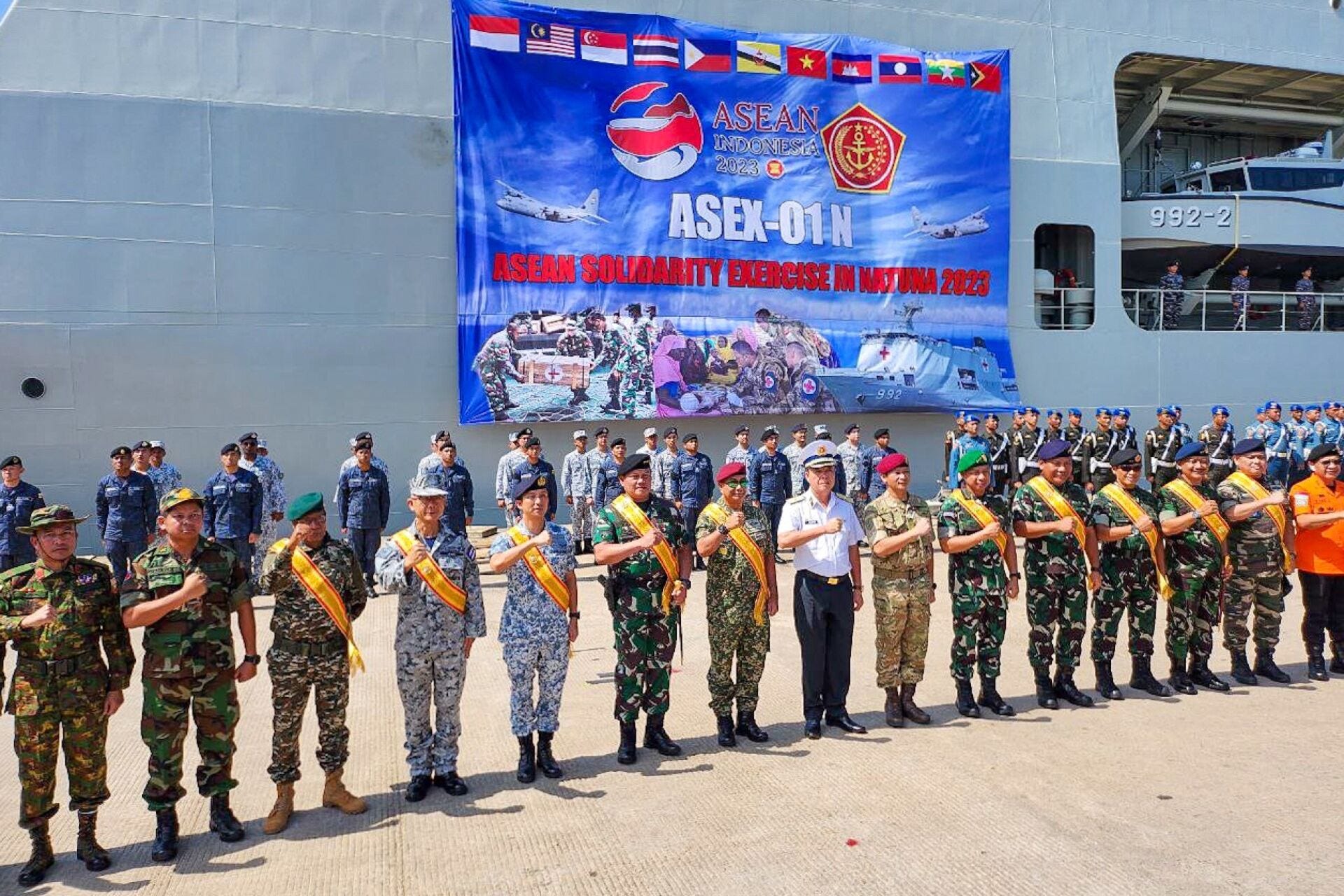
“The exercise reveals gaps in nuclear-security crisis literacy among Southeast Asian diplomatic-policy stakeholders as well as the absence of alternative mechanisms to address a broader range of nuclear-related regional security crises,” according to a paper drawing on insights from a crisis-simulated exercise published by the International Institute for Strategic Studies. The exercise surrounds a hypothetical scenario involving a missing nuclear-armed submarine in Indonesian waters in 2031 and how it sparked broader military tensions between China and the Australia–UK–US (AUKUS) partnership (link).
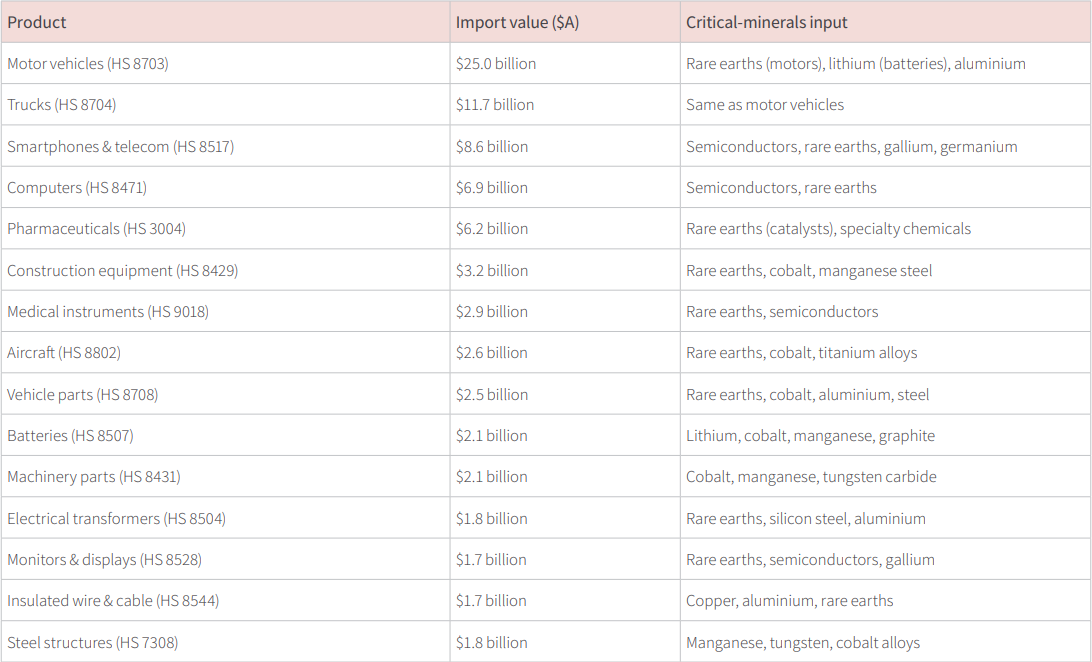
“[A]ustralia doesn’t lack tools…rather, it lacks an architecture that sufficiently integrates them,” according to a new report on economic statecraft to adjust to Indo-Pacific and global changes published by the Australian Strategic Policy Institute. The report notes that Australia’s challenges in this respect are also arguably shared by middle powers in the Indo-Pacific as well as in other regions of the world such as Europe (link).
Top Australian Imports At Risk From Critical Minerals Disruption by China

New Geoeconomic FIT-P Call Amid Growing Middle East Fallout
What’s Behind It
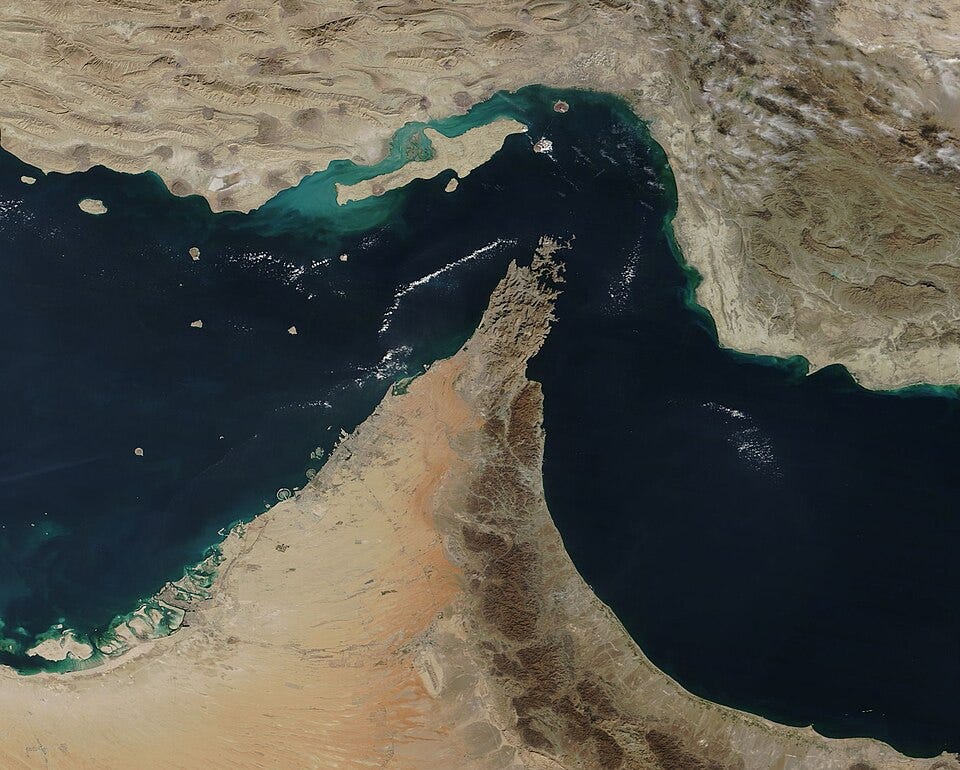
Founding members of a key geoeconomic grouping issued a new call for future sectoral collaboration amid rising global Middle East conflict1. The call comes as policymakers react to risks radiating across regions including the Indo-Pacific. One widely-circulated estimate suggesting that more prolonged conflict could result in Indo-Pacific impacts approximating the 2008-2009 Global Financial Crisis, with Southeast Asia and the Pacific being among the worst region hit in terms of both growth and inflation projections2. Officials also privately concede that the spotlight on narrower dealmaking around maritime access through the Strait of Hormuz in the public domain has also amplified the need by governments to ramp up communications to address questions such as what exactly deal terms might be and what is being traded3.
Select Key Recent and Relevant Geopolitical and Geoeconomic Developments
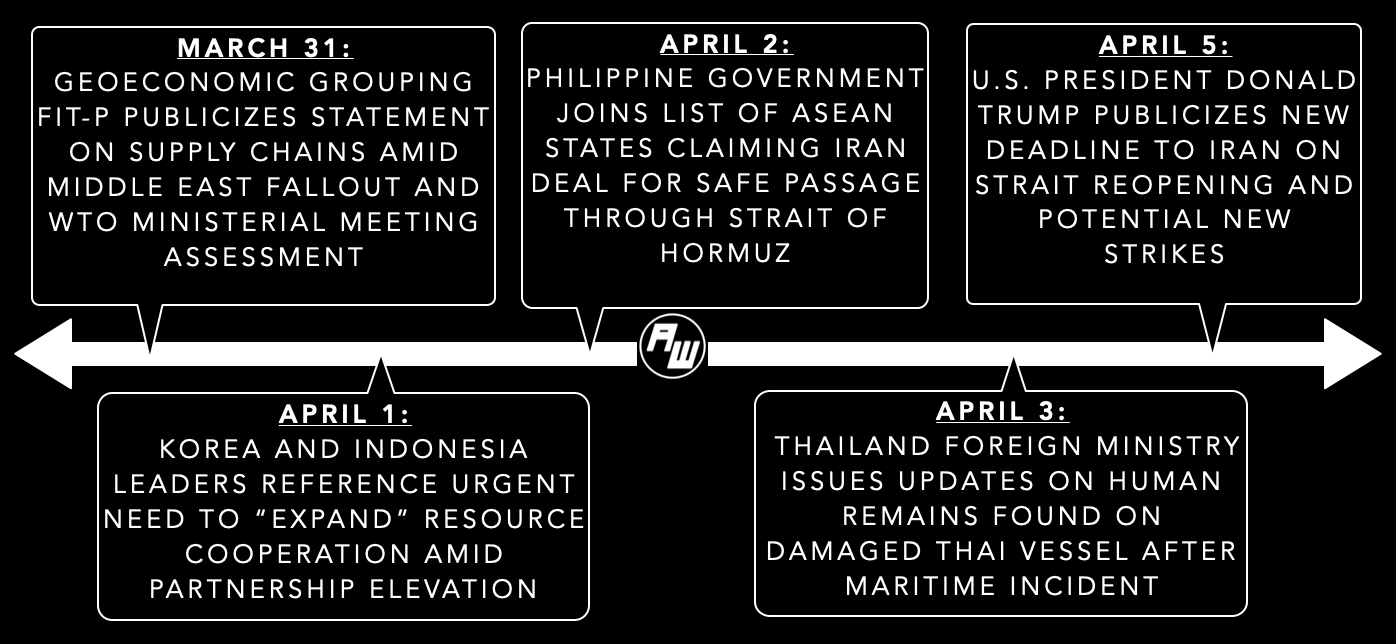
The call is one of several regional datapoints on how flashpoint dynamics are reshaping Indo-Pacific geoeconomic collaboration. To take just one example, while the newly upgraded Indonesia-South Korea “special comprehensive strategic partnership” extends across a wide range of areas, both leaders at a summit this past week made specific reference to crisis-induced “resource security” as being an unfortunate reality, with Indonesian officials earlier also announcing a postponement in convening a geoeconomic grouping that the country is chairing4. The Philippines as ASEAN chair has faced questions on how it will stabilize growing fallout even after the declaration of a state of emergency, while Thailand — Southeast Asia’s second-largest economy — has been consumed with handling the scrutiny on the security of its vessels and citizens, with multiple media briefings to address a single incident in this respect even as the new government is taking shape5.
Why It Matters
The dynamics also spotlighted datapoints to watch with wider implications (see originally generated ASEAN Wonk table below on notable areas to monitor and additional specifics. Paying subscribers can read on for more on what to expect and future implications in the rest of the “Why It Matters” and “Where It’s Headed” sections, along with paid-only sections of the newsletter as usual).
Notable Policy Commitments, Alongside Major Strategic Pillars and Select Key Priorities
