

A new book by a renowned prime minister lays out approaches for Global South countries seeking to navigate a shifting global geopolitical and geoeconomic landscape in “postnormal times.”
WonkCount: 1,427 words (~6 minutes)

Review: Rethinking Global South Script for a Postnormal Age
Context
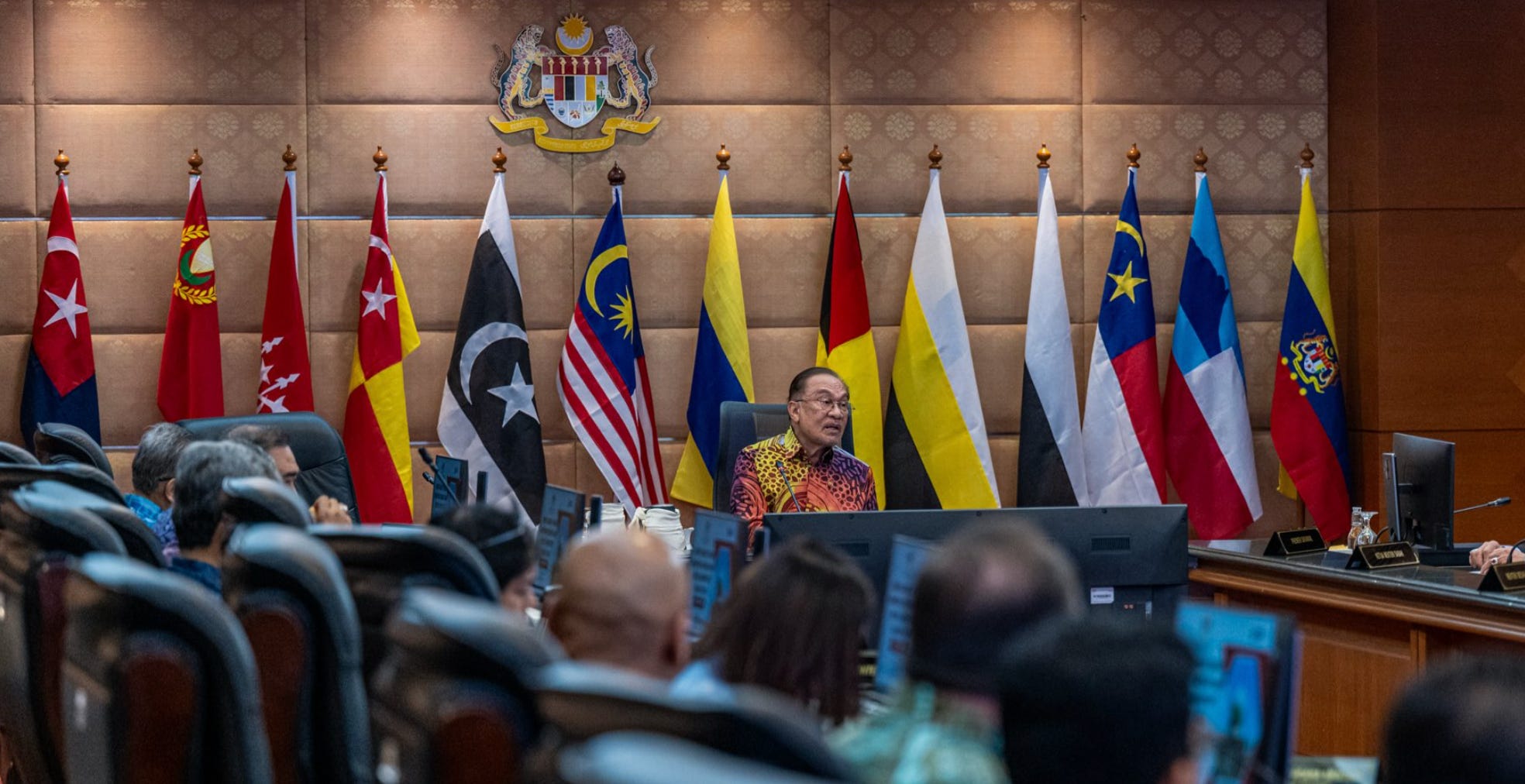
“We also welcome Brazil and South Africa…an important step in widening ASEAN’s engagement with the BRICS and the G20 and strengthening our bridge to the Global South,” Malaysia Prime Minister Anwar Ibrahim said late last year when convening the past round of ASEAN summitry1. The datapoint is one of several depicting the shifting engagement patterns of Southeast Asian states, a theme which has continued to attract interest this year as the Philippines chairs the grouping amid a range of other domestic and foreign policy priorities.
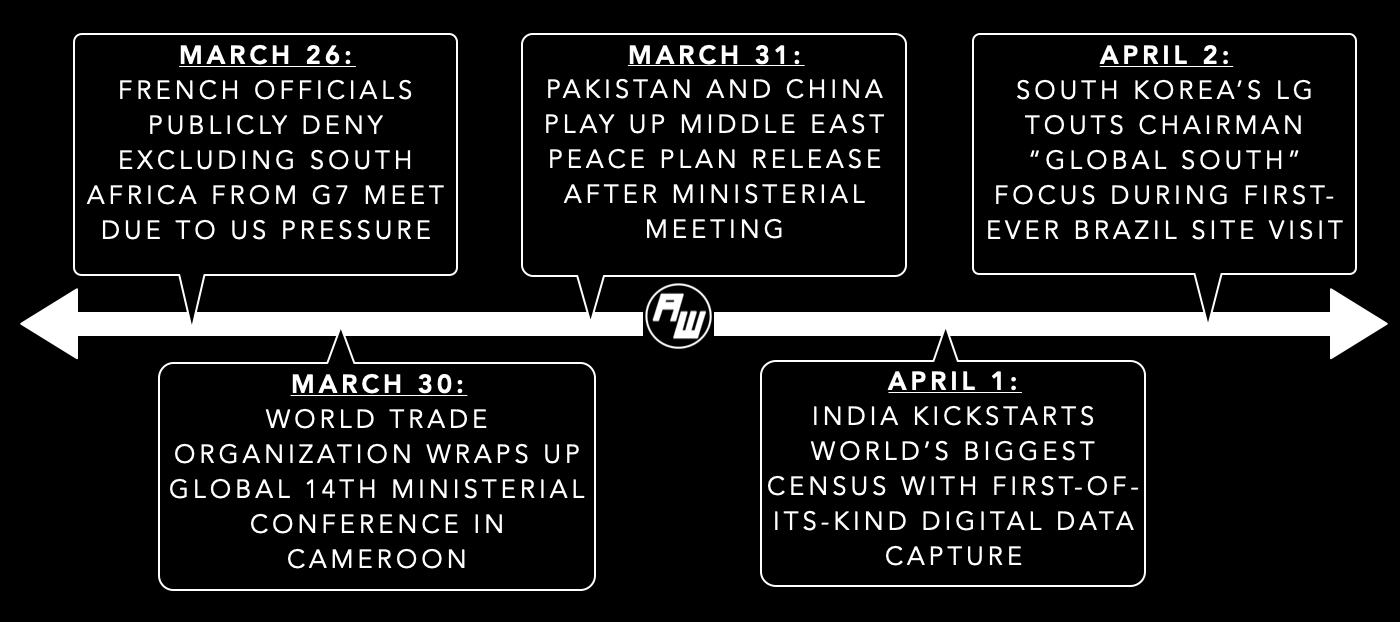
Select Key Recent and Relevant Global Geopolitical and Geoeconomic Datapoints
A new book Rethinking Ourselves by Malaysia Prime Minister Anwar Ibrahim lays out approaches for countries seeking to navigate a shifting global landscape in what he characterizes as “postnormal times.”2 In doing so, it adds to recent books published by leaders while still in office that articulate potential strategies for navigating changing geopolitical and geoeconomic dynamics, including ones we have reviewed here on ASEAN Wonk such as Finnish President Alexander Stubb’s The Triangle of Power3. “The non-West, the Global South, cannot remain complacent in the face of these threats,” the book argues as it lays out components of a more comprehensive approach to navigating the so-called postnormal global landscape4.
Analysis
The book also highlights key datapoints to watch on potential futures (see originally-generated ASEAN Wonk table below for a summary of important contours. Paying subscribers can also read the rest of the “Analysis” section and “Implications” section looking at how these dynamics play out in the future).
Future Policy Datapoints to Watch, Worldview Pillars and Select Focus Areas
