

A former division chief forecasts the future of a destructive doom loop, spiraling disorder and wider implications for Indo-Pacific and global geoeconomics in a newly-released book.
WonkCount: 1,427 words (~5 minutes)

Review: Doom Loop in Indo-Pacific and Global Geoeconomics?

Context
“Now if this continues into 2027…then we have to expect a much worse outcome,” the head of the International Monetary Fund (IMF) Kristalina Georgieva warned earlier this month regarding the uncertain global geoeconomic landscape1. Her outlook — which included an admission that the IMF’s “reference scenario” released just a few weeks ago “is further and further behind in the rearview mirror” compared to more adverse futures — was illustrative of the deep challenges policymakers face in navigating and forecasting evolving geoeconomic dynamics, including in Southeast Asia and the Indo-Pacific2.
Select Key Recent Global and Indo-Pacific Geopolitical and Geoeconomic Developments
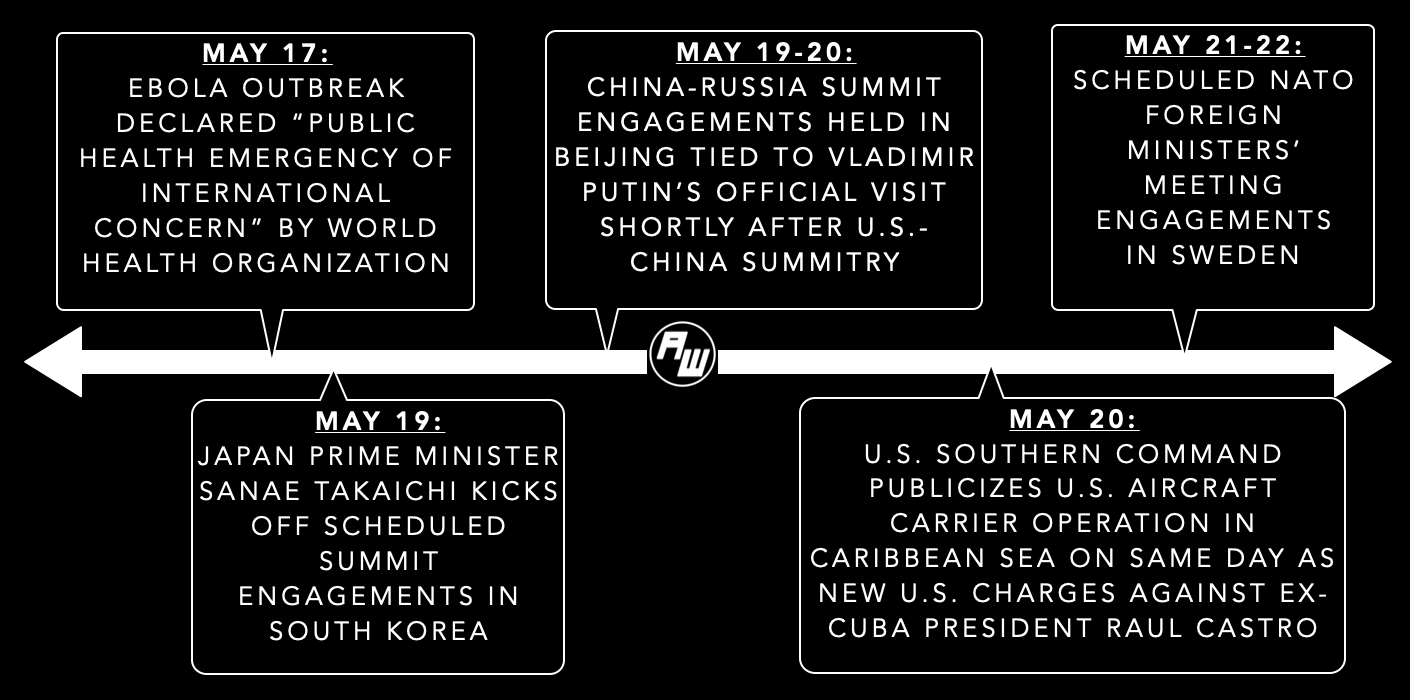
A new book The Doom Loop by former IMF division chief Eswar Prasad forecasts the future of a destructive “doom loop,” spiraling disorder and its wider implications for Indo-Pacific and global geoeconomics3. The book is the latest in a series of works that address the uncertain geoeconomic outlook and its regional and global implications, including ones we have reviewed here on ASEAN Wonk recently such as How to Win a Trade War by Chad Bown and Soumaya Keynes4. “It is not foreordained that negative currents will dominate, but breaking out of the doom loop will take herculean effort,” the book argues before delving into recommendations for how countries can do so in the coming years amid shifting global futures5.
Analysis
The book also highlights key datapoints to watch on potential futures (see originally-generated ASEAN Wonk table below for a summary of important contours. Paying subscribers can also read the rest of the “Analysis” section and “Implications” section looking at how these dynamics play out in the future).
Future Policy Pathways To Watch Along With Key Priority Areas And Major Pillars
