

A new book maps out future scenarios for Asia’s geopolitical and geoeconomic outlook, with strategic implications for subregions like Southeast Asia and wider conceptions such as the Indo-Pacific.
WonkCount: 1,297 words (~6 minutes)

Review: Asia Crucible Future in Geopolitics and Geoeconomics
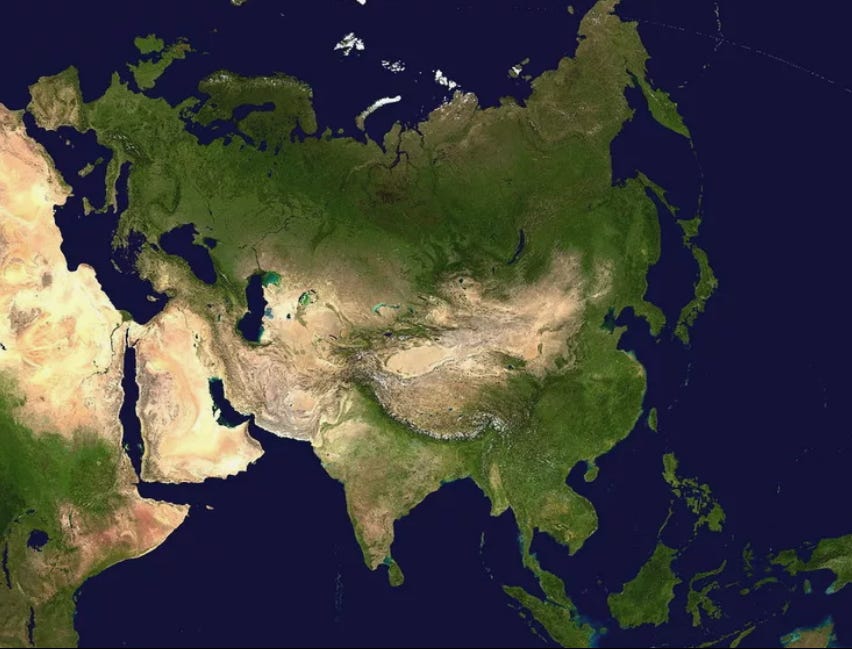
Context
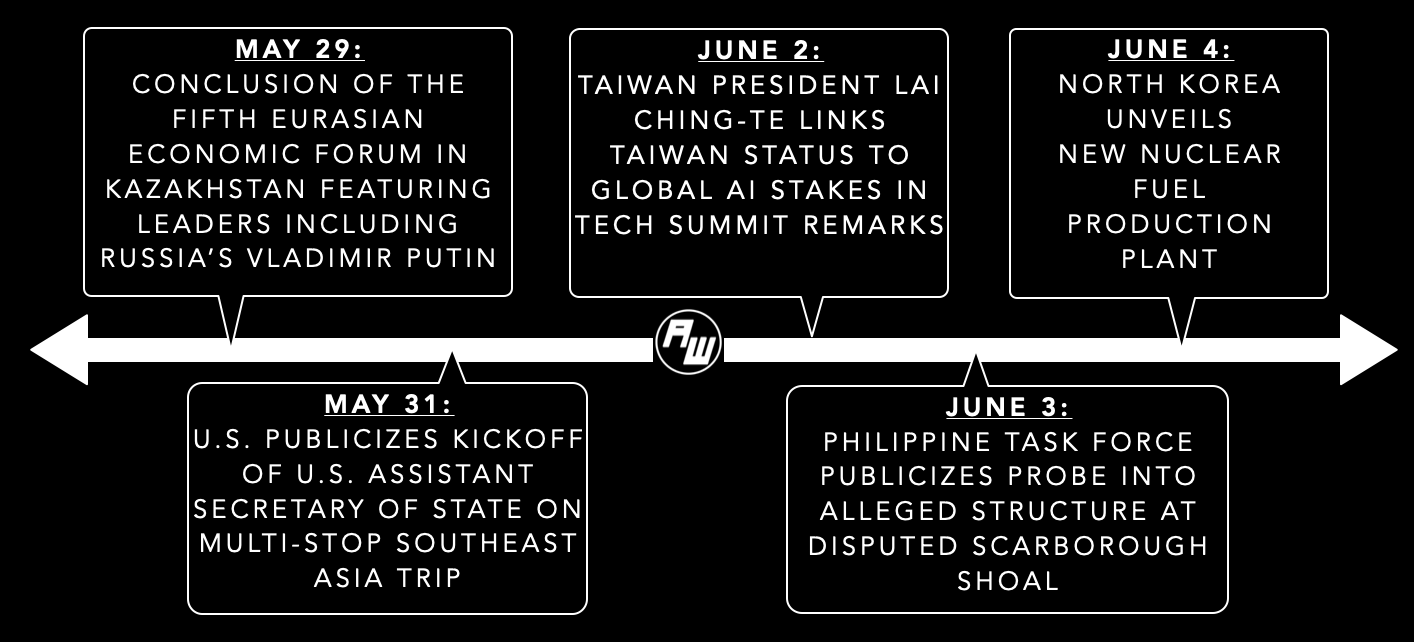
“We must work together to reduce undue dependencies and ensure that progress is not held hostage to disruptions or to coercion,” Philippine President Ferdinand Marcos Jr. said in framing his historic remarks to a joint session of Japan’s parliament earlier this month1. Marcos’ comments captured the difficult tradeoffs Indo-Pacific states are experiencing in managing the challenges and opportunities emerging from a shifting geopolitical and geoeconomic landscape, some of which have been playing out publicly in ongoing regional fora including the latest iteration of the annual Shangri-La Dialogue that took place this past week2.
Select Key Recent Geopolitical and Geoeconomic Developments in the Indo-Pacific
A new book Asian Crucible by scholar Nick Bisley attempts to map out future scenarios for Asia’s geopolitical and geoeconomic outlook3. In doing so, it adds a scholarly account to the recent series of books that have attempted to shed light on regional futures and their implications for subregions like Southeast Asia as well as wider conceptions such as the Indo-Pacific. These include ones by current and former policymakers that we have reviewed here on ASEAN Wonk such as Malaysia Prime Minister Anwar Ibrahim’s Rethinking Ourselves and the former permanent secretary of Singapore’s foreign ministry Bilahari Kausikan’s The Myth of the Asian Century. “The greatest period of stability in modern Asia’s history has given way to a risky and dangerous future,” the book notes before sketching out future scenarios4.
Analysis
The book also highlights key datapoints to watch on potential futures (see originally-generated ASEAN Wonk table below for a summary of important contours. Paying subscribers can also read the rest of the “Analysis” section and “Implications” section looking at how these dynamics play out in the future).
Policy Datapoints to Watch, Along With Key Outlook Orientations And Future Scenario Labels
