

A longtime government defense advisor and scholar identifies potential post-Trump futures in U.S. military strategy and implications for regions such as Asia in newly released book.
WonkCount: 1,247 words (~6 minutes)

Review: The Future of US Defense Strategy And Asia Stakes
Context
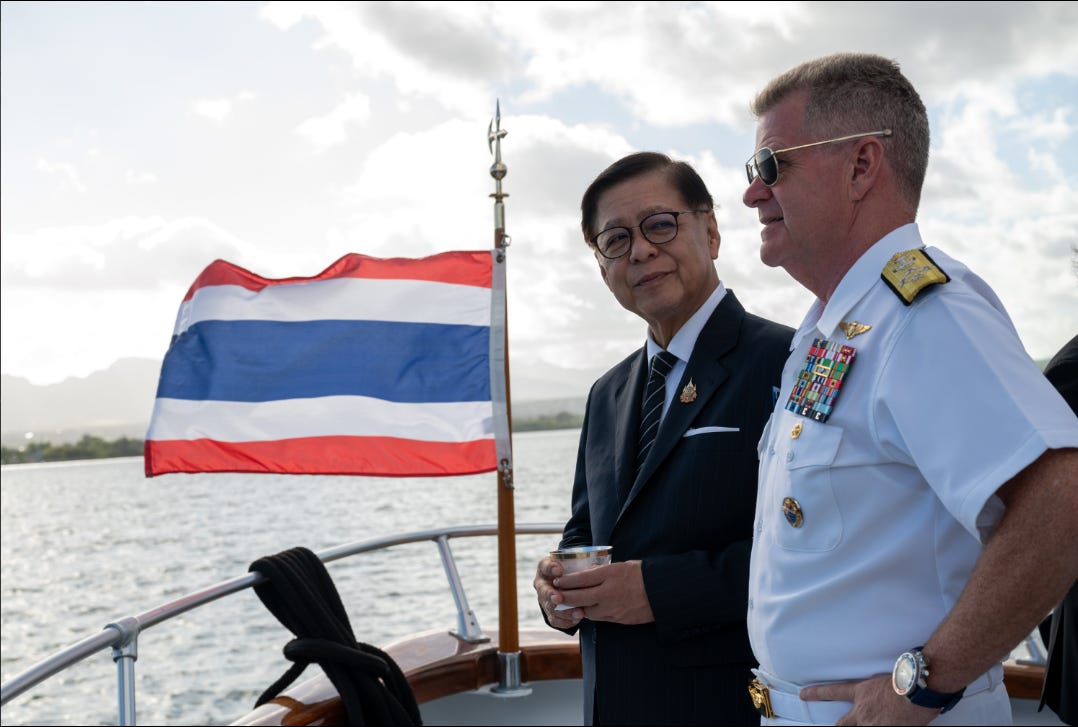
“The United States plays an important role in maintaining the regional balance of power,” Thailand’s deputy prime minister and foreign minister Sihasak Phuangketkeow said in public remarks as part of a postponed visit to the recently renamed Pacific Command in Hawaii1. The trip, which came following a series of U.S. 250th anniversary commemorations during the previous week, highlighted ongoing questions around the future of U.S. defense strategy and the stakes for Asia including regions such as Southeast Asia2.
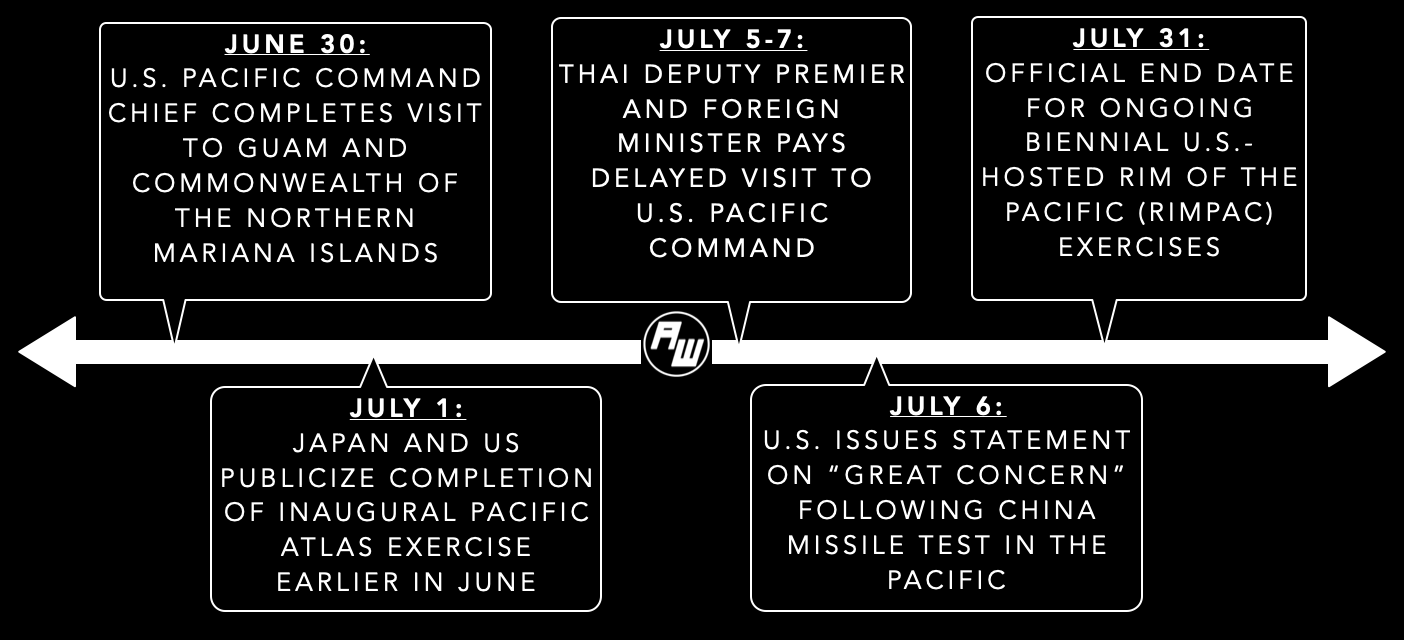
Select Key Recent U.S.-Related Security Developments Concerning Asia
A timely new book To Dare Mighty Things by longtime government advisor and scholar Michael O’Hanlon provides insights into how Asia may fit into shifting U.S. defense strategy futures3. In doing so, it adds to a series of recent books delving deeper into the dynamics of U.S. defense strategy both in general as well as with respect to individual flashpoints, including ones we have reviewed previously on ASEAN Wonk. “The stretch of continuity…may be changing,” the book notes before going on to define some of the dimensions of continuity and change and suggested futures for U.S. defense policy in key global regions including Asia4.
Analysis
The book also highlights key datapoints to watch on potential futures (see originally-generated ASEAN Wonk table below for a summary of important contours. Paying subscribers can also read the rest of the “Analysis” section and “Implications” section looking at how these dynamics play out in the future).
Notable Additional Details, Along With Future Policy Approaches And Key Defense Dimensions
