

A new book leverages interviews with top officials and extensive research to raise questions on the future of Indonesia’s management of geopolitical and geoeconomic competition, with implications for Global South leaders and the wider world.
WonkCount: 1,347 words (~6 minutes)

Review: US-China Shift in Prabowo’s Indonesia Post-Jokowi?
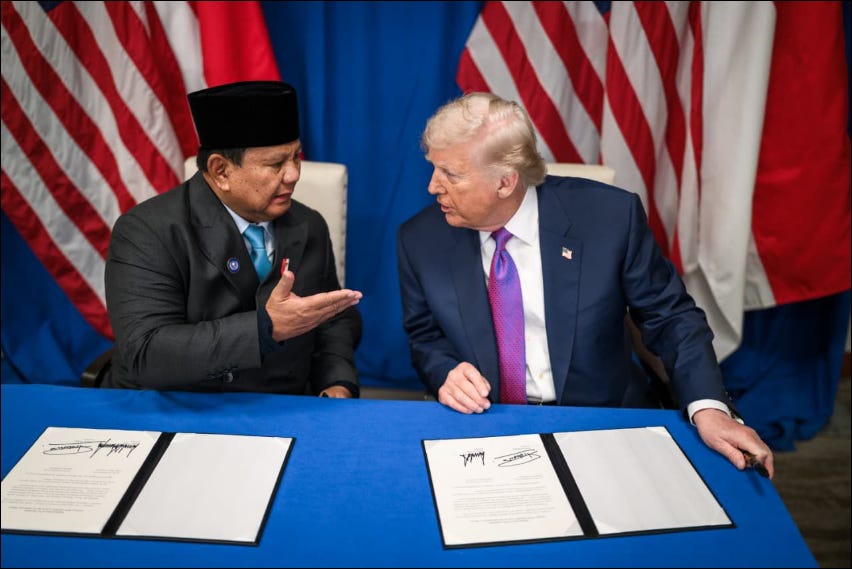
Context
“The current geopolitical dynamics are quite uncertain…we do not know who is a friend and who is a foe,” Indonesia President Prabowo Subianto noted earlier this month in remarks on the country’s evolving foreign policy direction1. Prabowo’s remarks were just the latest designed to respond to intensifying scrutiny in recent months on perceived departures from the country’s traditional free and active foreign policy and the long list of overseas visits under his tenure relative to his predecessor Joko “Jokowi” Widodo’s two terms from 2014 to 20242.
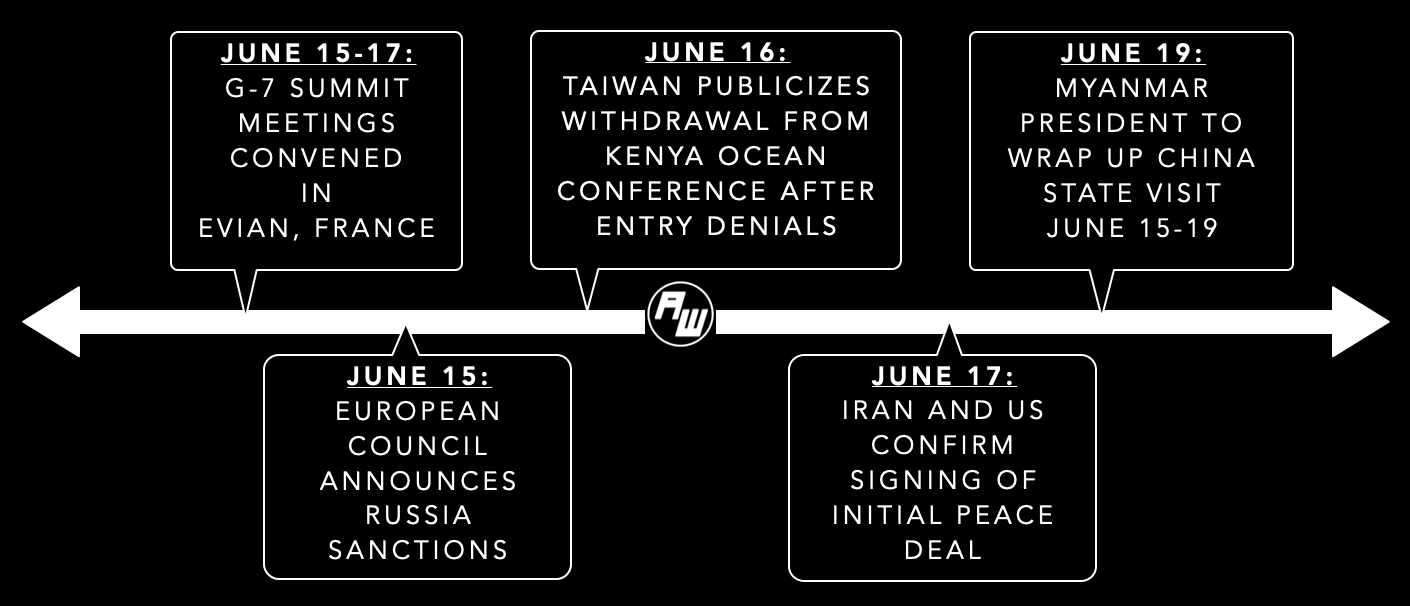
Select Global and Indo-Pacific Geopolitical and Geoeconomic Developments
A new book Ruling Indonesia by scholar Marcus Mietzner leverages interviews with top officials including Jokowi and Prabowo as well as extensive research to raise questions about the future of Indonesia’s management of geopolitical and geoeconomic competition, with implications for Global South leaders and the wider world3. In doing so, it adds to recent book-length scholarly works that delve deeper into the views of Indonesia’s leaders over the past decade or so such as Ben Bland’s Man of Contradictions4. Ruling Indonesia acknowledges the many tradeoffs Indonesia’s leaders face in managing proliferating domestic and international challenges that relate to its geopolitical and geoeconomic future. “Projections that Indonesia will be among the world’s top economies by 2040 or so are reason to take Indonesia more seriously than it is taken now, but they won’t reserve it a seat at the table of strategic actors who dictate world affairs,” the book cautions before going on to note various lenses with which to assess the country’s future evolution5.
Analysis
The book also highlights key datapoints to watch on potential futures (see originally-generated ASEAN Wonk table below for a summary of important contours. Paying subscribers can also read the rest of the “Analysis” section and “Implications” section looking at how these dynamics play out in the future).
Future Datapoints to Watch, Along With Policy Change Contours And Key Variables
