

Greetings to new readers and welcome all to the latest edition of the weekly ASEAN Wonk BulletBrief! If you haven’t already, you can upgrade to a paid subscription for $5 a month/$50 a year below to receive full posts by inserting your email address and then selecting an annual or monthly option. You can visit this page for more on pricing for institutions, groups as well as discounts. For current paid subscribers, please make sure you’re hitting the “view entire message” prompt if it comes up at the end of a post to see the full version.
For this iteration of ASEAN Wonk BulletBrief, we are looking at:
Assessing the geopolitical and geoeconomic significance of Taiwan drills hype echo amid the holding of a new China Indonesia “2+2” meeting;
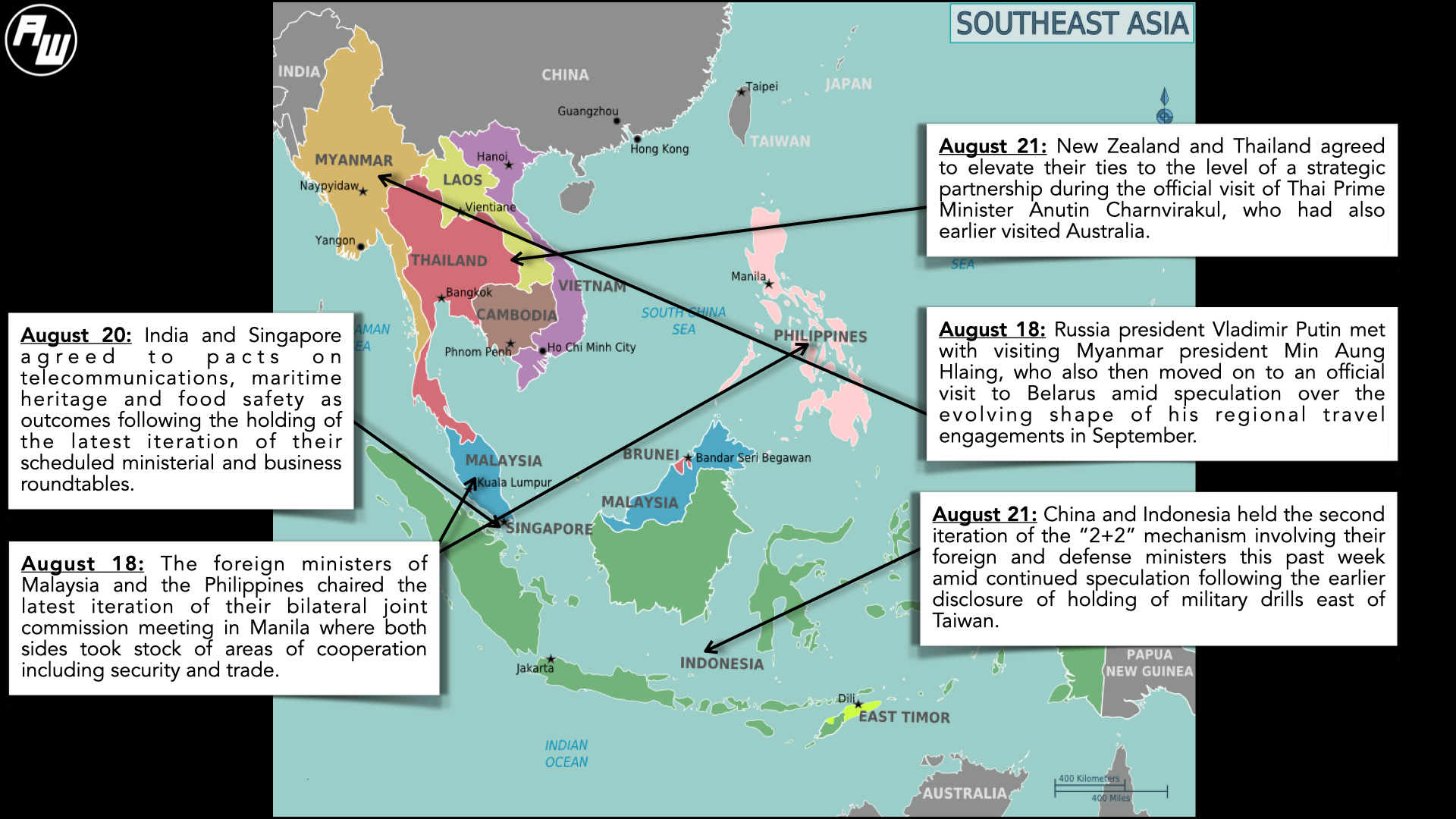
Mapping of regional developments, including new strategic partnership declaration and joint commission meeting outcomes;
Charting evolving geopolitical, geoeconomic and security trends such as China nuclear agreement; defense pact entry and telecom blockage denial;
Tracking and analysis of industry developments and quantitative indicators including new trade pact deadline; scam bust; scandal fears and more;
And much more! ICYMI, check out our ASEAN Wonk review published earlier in the week of a new book by a former diplomat on great power diplomacy and US-China competition futures.
This Week’s WonkCount: 2,397 words (~11 minutes)


New Strategic Partnership Declaration; Joint Commission Meeting & More

Divergent Realities; Regionalism Challenges & Tracking Linkages
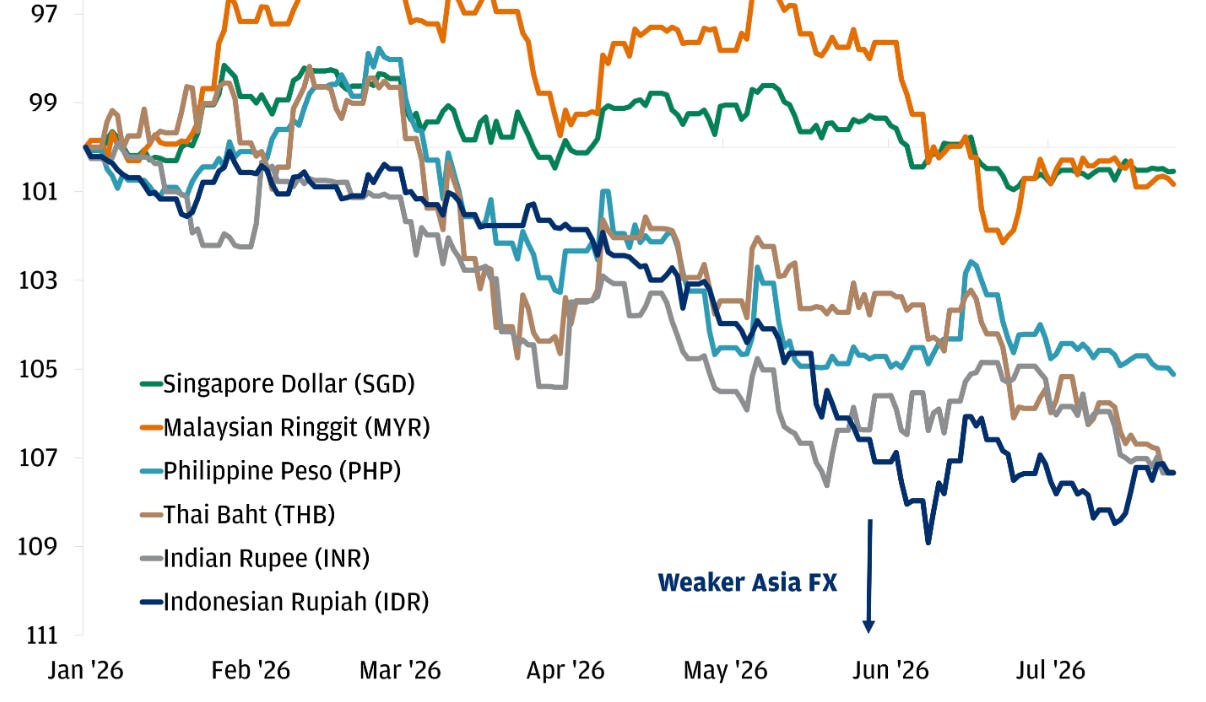
“Economic performance has become increasingly uneven across the region,” notes a newly-released regional outlook released by J.P. Morgan on economic performance in Southeast Asia in the context of several trends including investments in artificial intelligence and drag from the energy shock brought about by escalating conflict in the Middle East (link).
USD vs. Selected Southeast Asia and South Asia Currencies, Indexed Jan 1, 2026 = 100
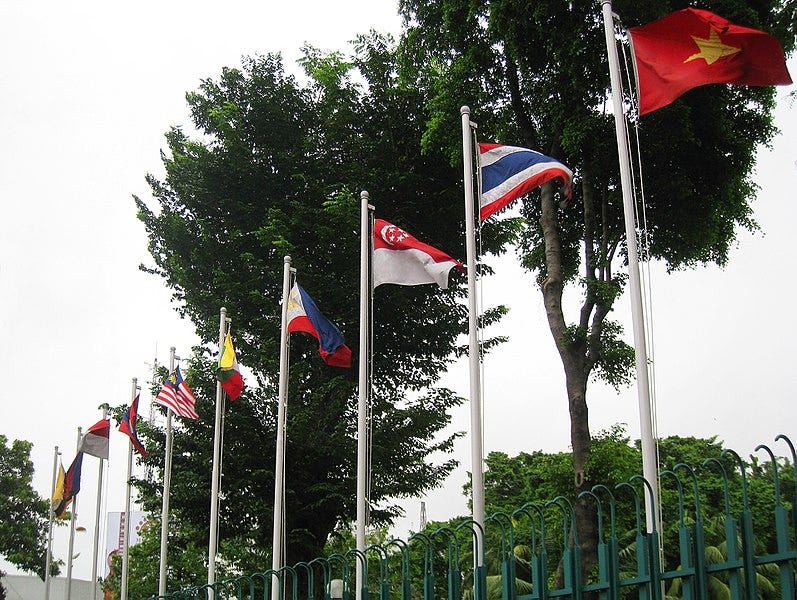
“As ASEAN turns 59 this month, the polite question in the ballroom is what the bloc will achieve in its seventh decade…the impolite, and far more urgent, question is who, if anyone, will lead it there,” argues a commentary published by The Jakarta Post assessing ASEAN’s challenges and Indonesia’s leadership within the grouping (link).
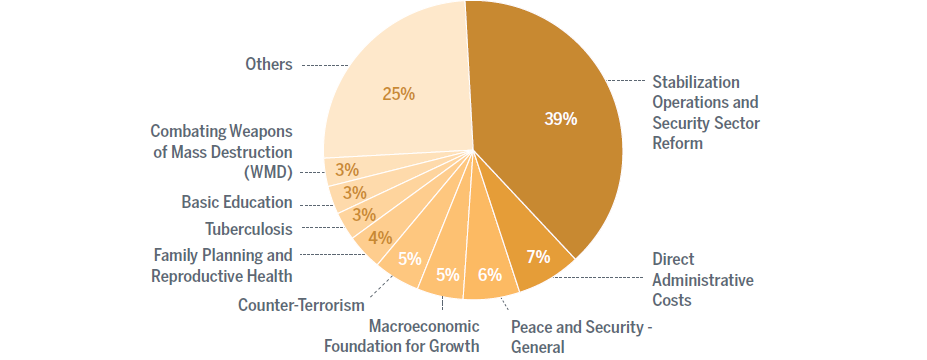
“The United States is the Philippines’ top export market and 3rd largest overall trading partner…[and] 2nd largest investor,” according to a new publication released by the East-West Center on U.S.-Philippine alliance links across security, economic and people-to-people dimensions (link).
Select Sectoral Breakdown of US Assistance to the Philippines Since 2015

Taiwan Drills Hype Echo Amid New China Indonesia 2+2 Meet
What’s Behind It
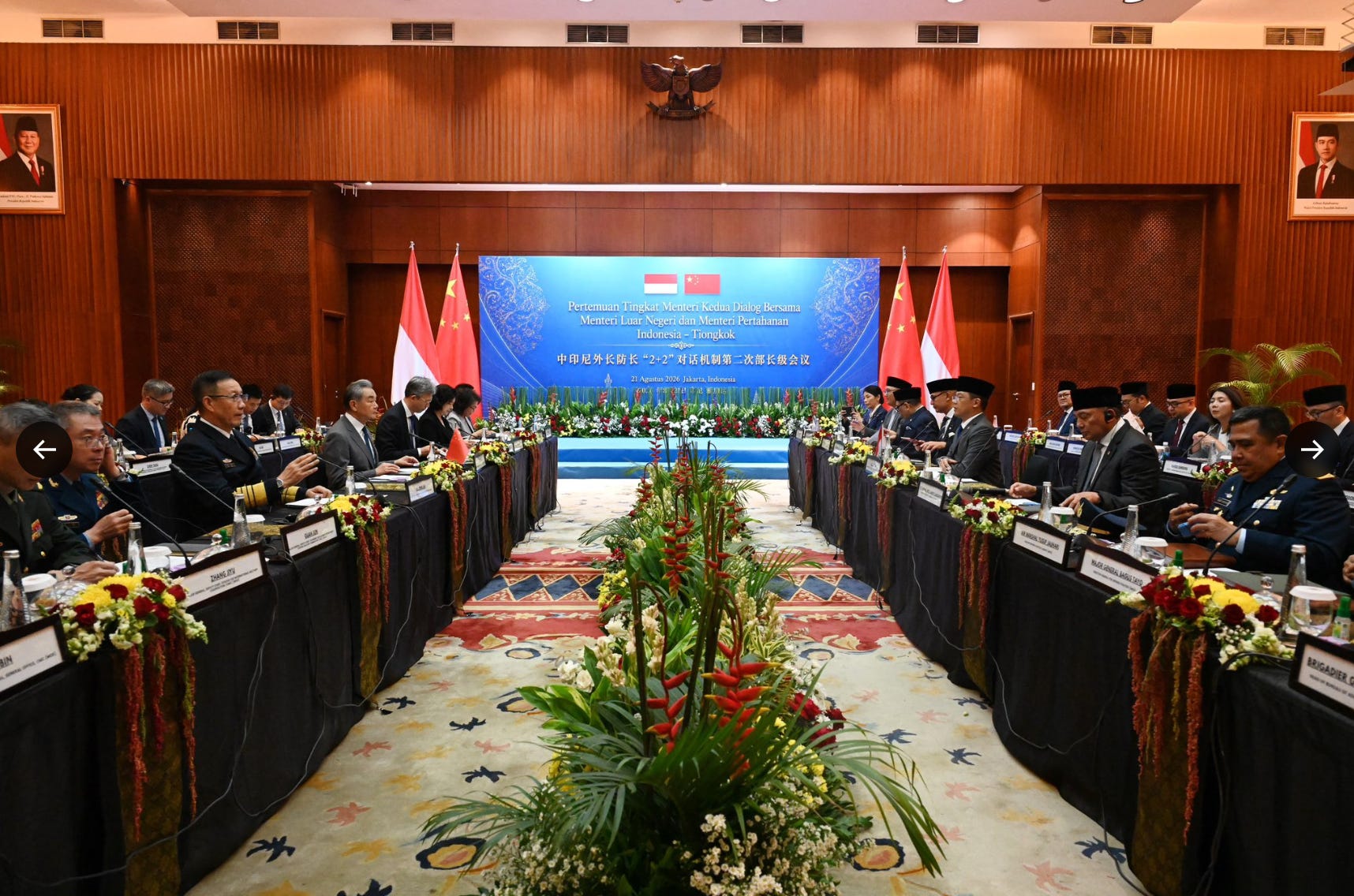
China and Indonesia held the second iteration of their new “2+2” ministerial mechanism this past week amid continued speculation following the earlier disclosure of holding of military drills east of Taiwan1. The meetings between the two countries came amid a focus on other ongoing security developments involving major powers and their presence in Southeast Asia as well as the wider Indo-Pacific region. This included defense officials from some Southeast Asian countries having to privately and publicly address concerns about how the movement of a U.S. carrier battle group from the Indo-Pacific to the Middle East may affect defense engagements and calculations2.
Select Key Recent US-China-Related Geopolitical and Geoeconomic Developments in Southeast Asia and the Wider Indo-Pacific Region
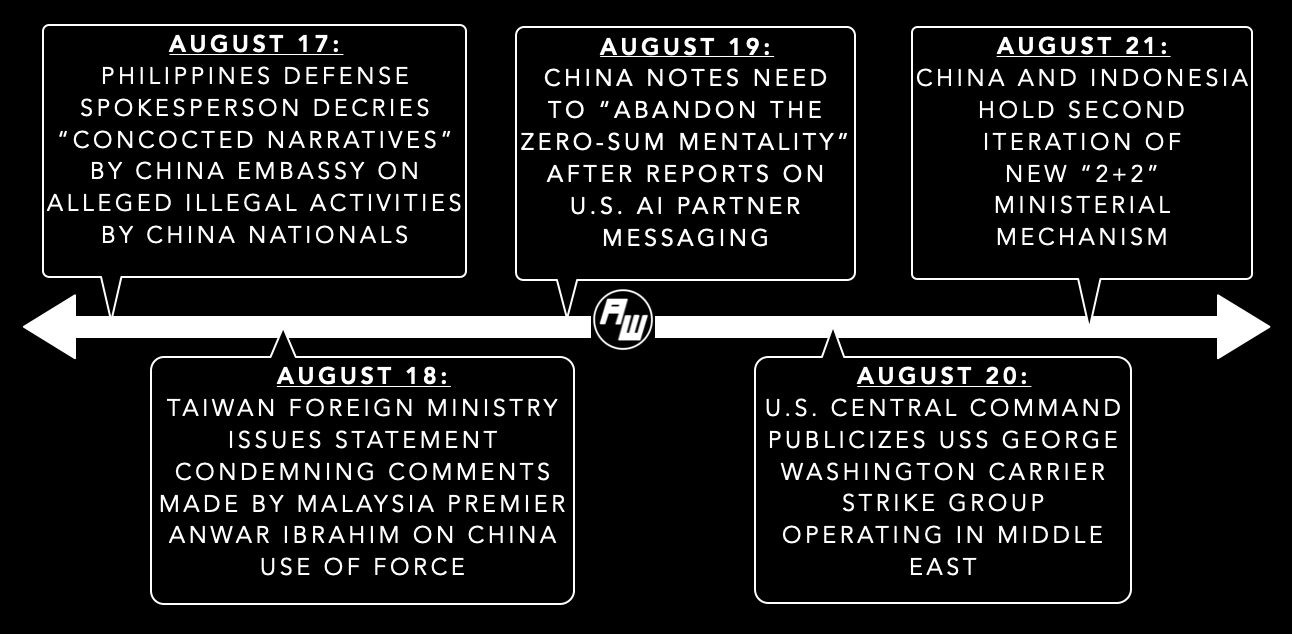
The development also highlighted China’s ongoing activities in the region with broader regional and global significance. Unsurprisingly, China publicly responded to reports of the United States specifying expectations to partners on artificial intelligence with respect to membership in duplicative initiatives by seeking to frame this as Washington having a “zero-sum mentality,” even as Southeast Asian officials also note that Beijing has been stepping up its own efforts in recent months to compete with Washington in this critical sector3. In another notable regional datapoint on Taiwan, Malaysia Prime Minister Anwar Ibrahim’s recent comments on China’s right to use force against Taiwan — despite some officials noting its specific wording in context — nonetheless produced rival responses from Beijing and Taipei respectively that dominated the headlines4.
Why It Matters
The dynamics also spotlighted datapoints to watch with wider implications (see originally generated ASEAN Wonk table below on notable areas to monitor and additional specifics. Paying subscribers can read on for more on what to expect and future implications in the rest of the “Why It Matters” and “Where It’s Headed” sections, along with paid-only sections of the newsletter as usual).
New Policy Datapoints, Along With Key Cooperation Areas And Partnership Pillars
