

A new book by former diplomat reveals how great power diplomacy can be leveraged by states to navigate competition in and beyond the Indo-Pacific.
WonkCount: 1,278 words (~6 minutes)

Review: Great Power Diplomacy and US China Competition
Context
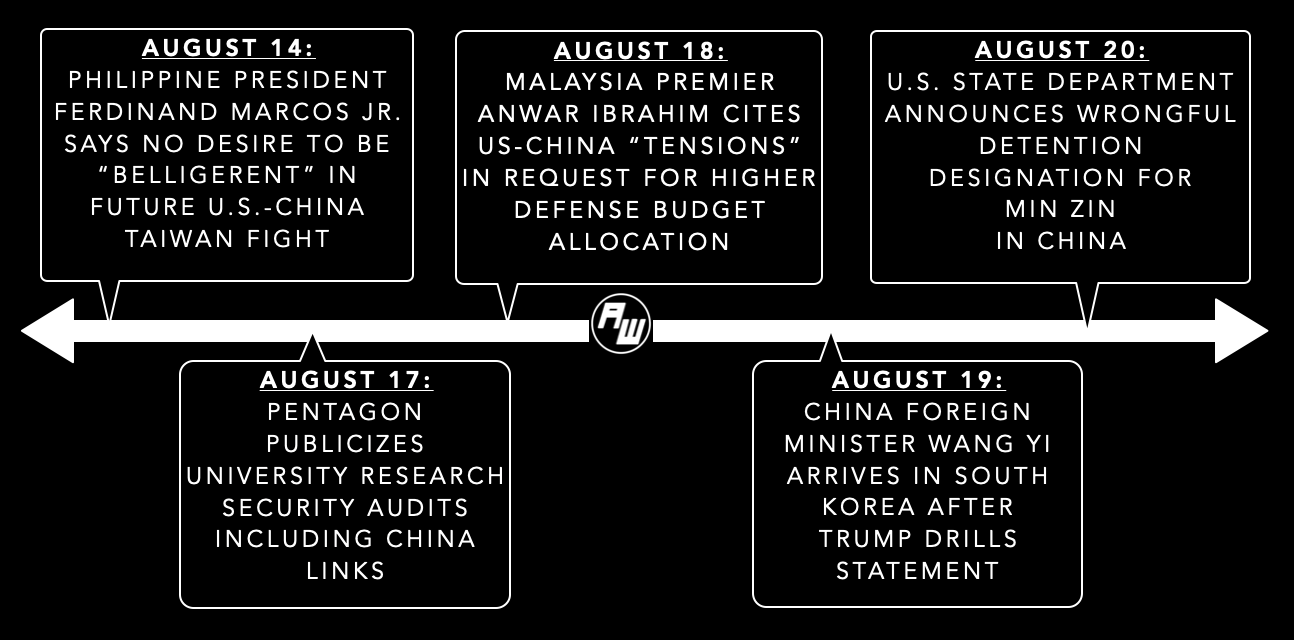
“The Philippines has no desire to be a belligerent nation,” President Ferdinand Marcos Jr. said this past week when asked how Manila may react in a future U.S.-China fight in a Taiwan scenario1. His statement was just the most recent example of how Southeast Asia’s leaders are managing engagements on geopolitical questions amid the manifestations of U.S.-China competition that are privately and publicly playing out across Southeast Asia in key domains2.
Geopolitical Developments Related to US-China Competition in and Beyond Southeast Asia
A new book Great Power Diplomacy by former diplomat A. Wess Mitchell sets out how great power diplomacy can be leveraged by states to navigate intensifying competition in and beyond the Indo-Pacific3. In doing so, it adds to a series of recent books by former officials and policymakers on ways to navigate the current geopolitical environment, including ones we have reviewed here on ASEAN Wonk. “Meeting this challenge will be the organizing task…,” the book notes regarding geopolitical competition in the 21st century as it outlines some of the strategies for doing so that states can adopt in the coming years4.
Analysis
The book also highlights principles that can help states navigate shifting great power competition futures (see originally-generated ASEAN Wonk table below for a summary of important contours. Paying subscribers can also read the rest of the “Analysis” section and “Implications” section looking at how these dynamics play out in the future).
Notable Great Power Principles, Along with Major Actors and Desired Policy Tendencies
