

Greetings to new readers and welcome all to the latest edition of the weekly ASEAN Wonk BulletBrief! If you haven’t already, you can upgrade to a paid subscription for $5 a month/$50 a year below to receive full posts by inserting your email address and then selecting an annual or monthly option. You can visit this page for more on pricing for institutions, groups as well as discounts. For current paid subscribers, please make sure you’re hitting the “view entire message” prompt if it comes up at the end of a post to see the full version.
For this iteration of ASEAN Wonk BulletBrief, we are looking at:
Assessing the geopolitical and geoeconomic significance of “bridge builder” pitch in regional UN Security Council seat push;
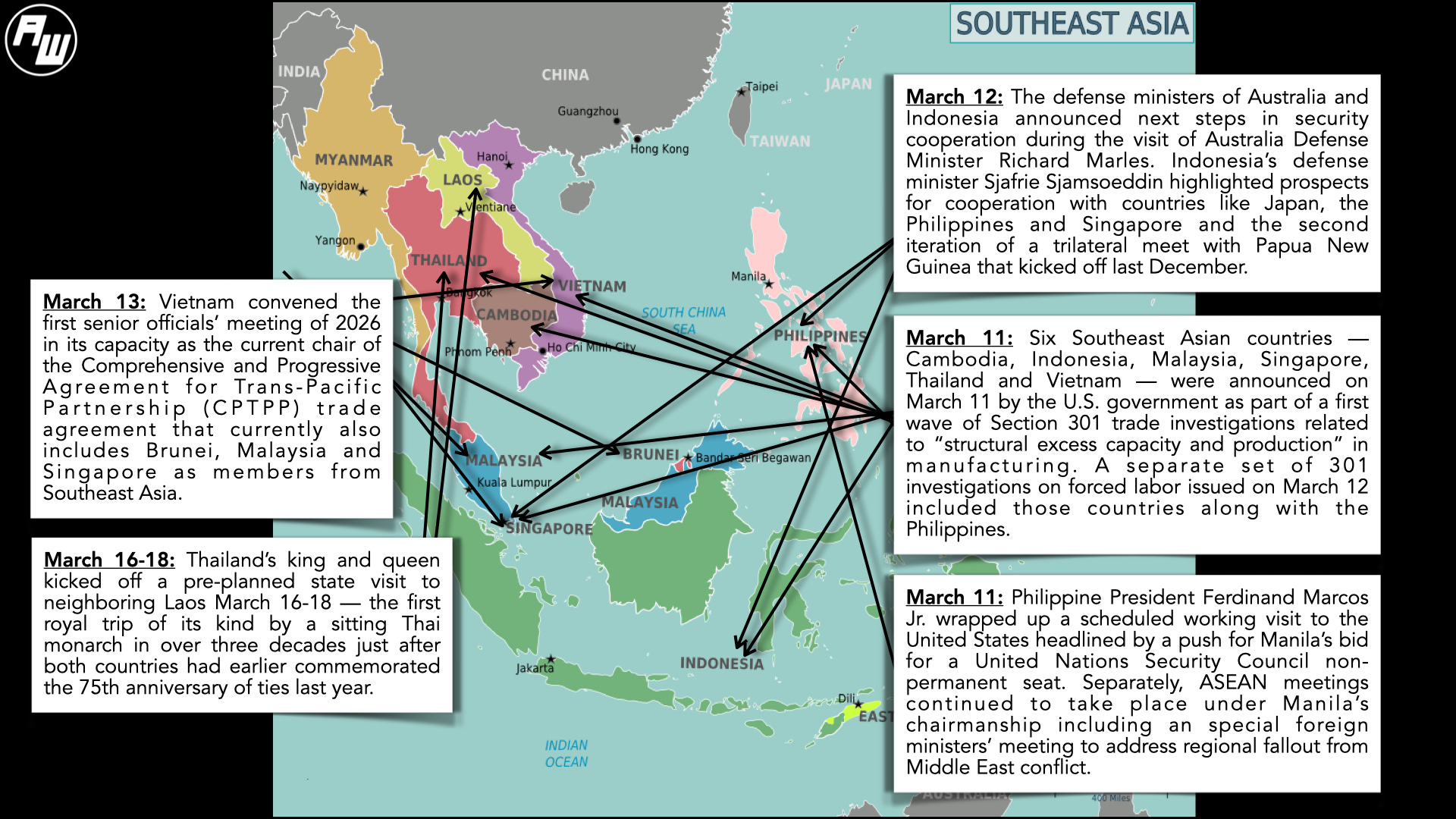
Mapping of regional developments, including coming trilateral defense chatter and twin new trade probe launches;
Charting evolving geopolitical, geoeconomic and security trends such as critical minerals pact push; new space center launch and quantifying fallout;
Tracking and analysis of industry developments and quantitative indicators including missile deal hype; coming cyber law; first data center talk and more;
And much more! ICYMI, check out the latest episode of the ASEAN Wonk Podcast featuring insights from a former official and trade lawyer on how disruption is affecting Southeast Asia’s geoeconomic agenda and implications for businesses and governments.
This Week’s WonkCount: 2,116 words (~10 minutes)


Coming Trilateral Chatter; Twin New Trade Probe Launches & More

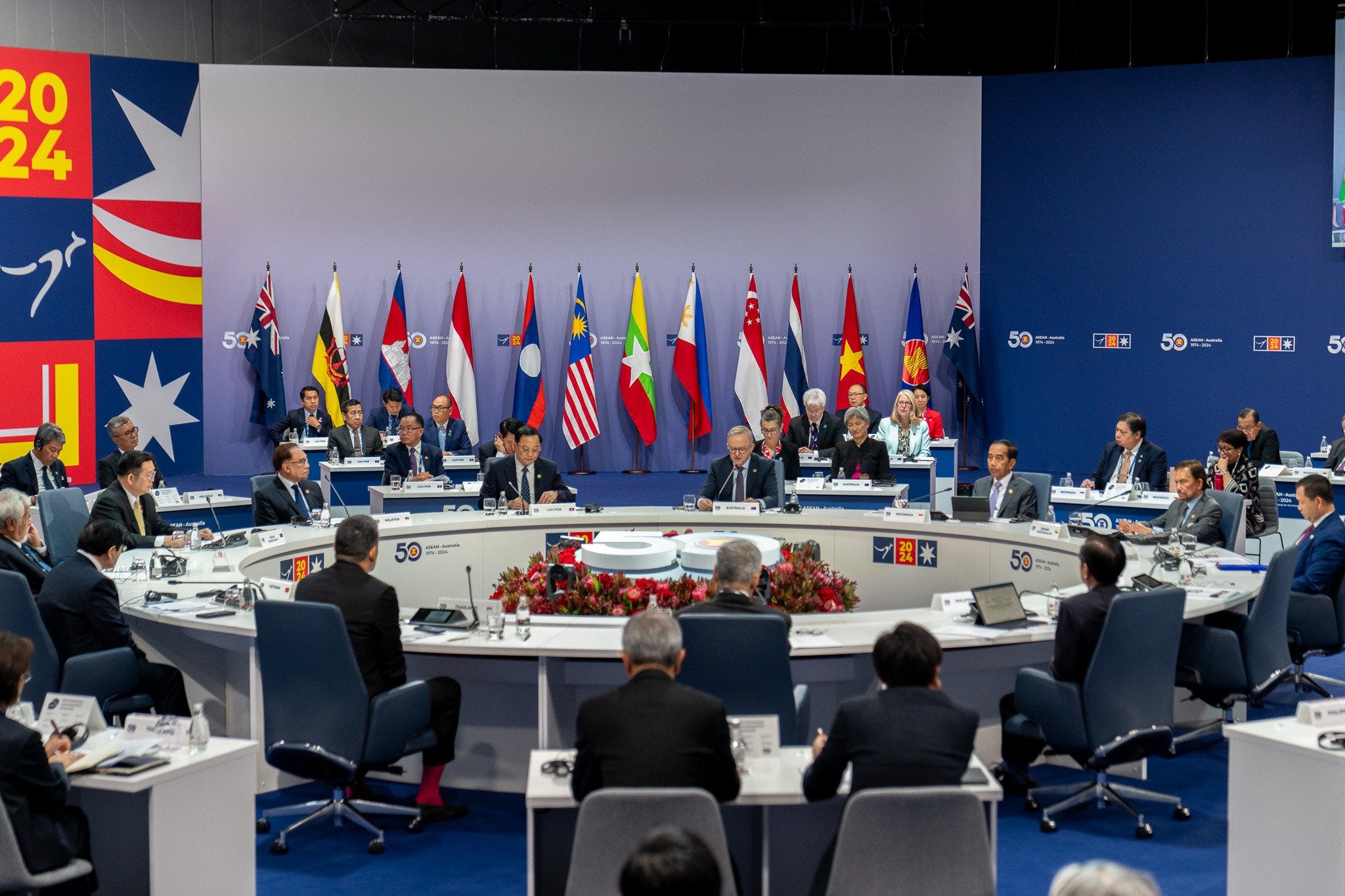
China’s Influence Operations Playbook; “Cuspness” World Order Play & Peace Process Futures
“A playbook of these information operations is now identifiable,” according to a new report detailing China’s influence operations playbook published by the European Council on Foreign Relations. Methods identified within this playbook include “borrowing mouths” of influencers to lend credibility to Chinese messaging; “laundering” information for strategic use; and obscuring the origin and attribution of China-derived content (link).

“While they are not superpowers, cusp states often serve as important middle powers, featuring unique languages and economies,” argues a new commentary published by the RAND Corporation urging Australia to embrace “cuspness” as part of its positioning efforts in the global order. The commentary notes that the approach would necessitate a multipronged effort beyond engaging across subregions like the Pacific and Southeast Asia, with the effort including dedicating more resources to defense; reducing superpower dependence; and prioritizing relationships to prevent overextension (link).
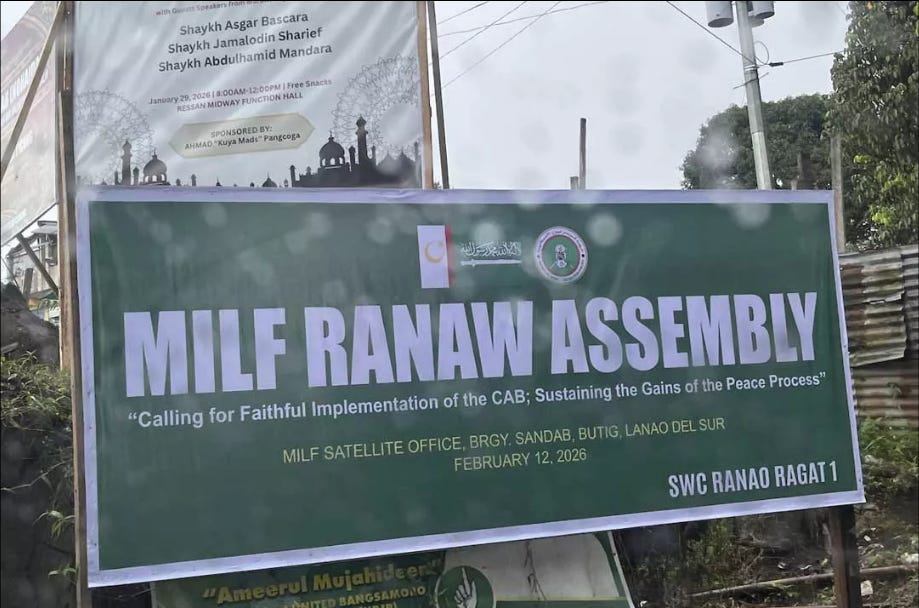
“The peace process in the Bangsamoro, the Muslim-majority parts of the southern Philippines, is at a critical stage,” notes a new analysis published by the International Crisis Group. The analysis suggests that the Marcos government should use the less than three years left in its term to “get the peace process back on track” given that the lack of urgent action could result in “the tenuous calm in the Bangsamoro risks giving way to renewed instability” (link).

Bridge Builder Pitch in Philippines UN Security Council Bid
What’s Behind It
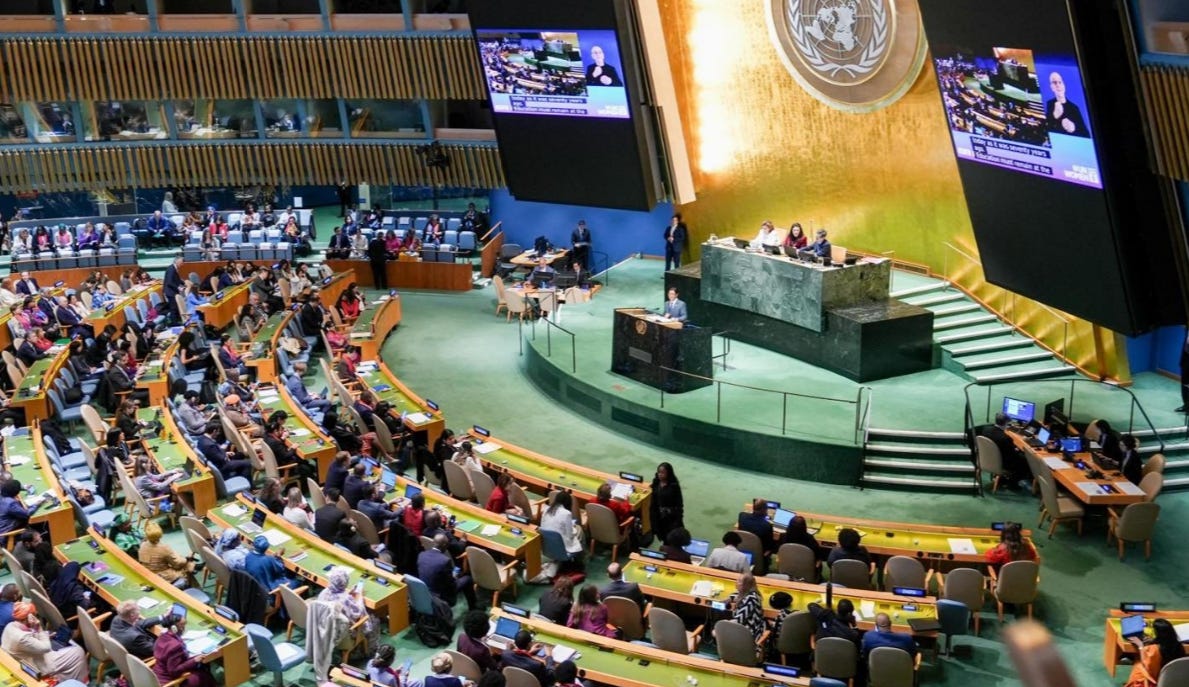
Philippine President Ferdinand Marcos Jr. made a future pitch for a United Nations Security Council seat even as Manila continues its current ASEAN chairmanship during a period of heightened geopolitical and geoeconomic tensions1. The pitch occurred alongside a busy week at the UN that included a vote on twin resolutions — one passed that was supported by the Gulf Cooperation Council and another backed by Russia failing to do so amid Western opposition2. Meanwhile, within the Indo-Pacific itself, governments had to reframe regional engagements around fast-changing developments, with one case in point being a Indo-Pacific energy security ministerial forum co-hosted by Japan and the United States which officials had been briefing on weeks prior as being a “tangible example” of an affirmative and concrete policy platform3.
Select Recent and Relevant Global and Regional Geopolitical and Geoeconomic Developments Amid Philippines UN Security Council Seat Pitch
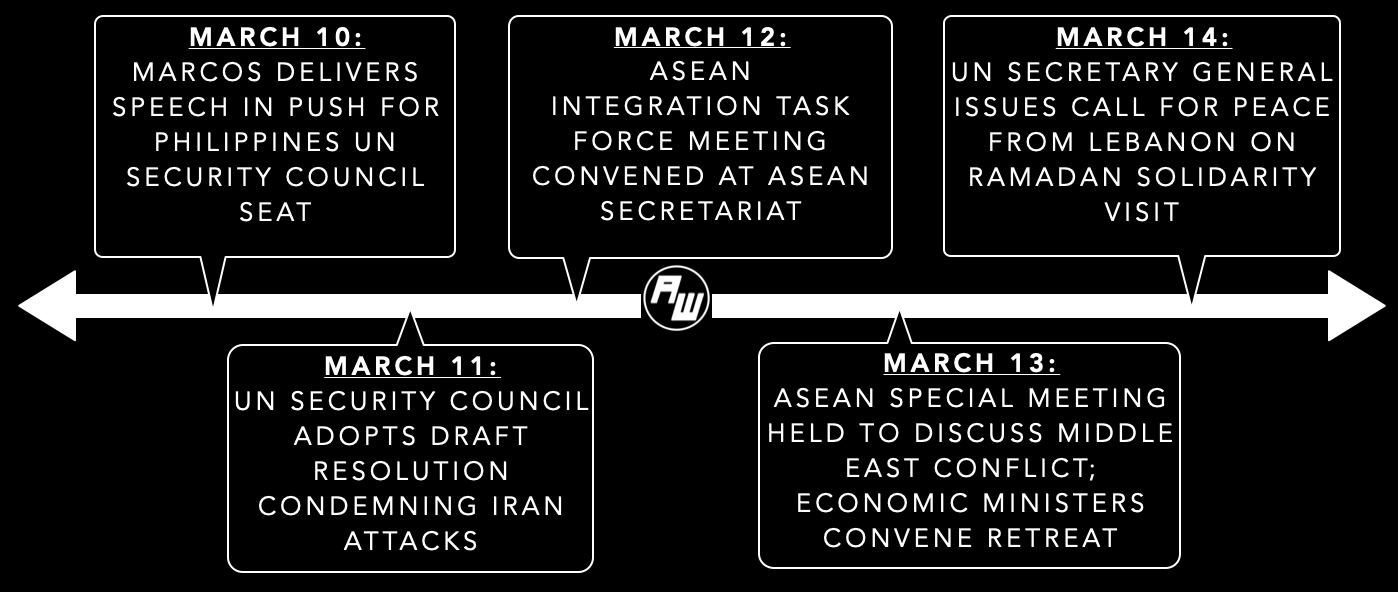
The pitch also highlighted the breadth of challenges confronting regional states. ASEAN Wonk understands some governments have already quietly stepped up collaborative efforts in areas such as consular assistance amid conflict in the Middle East, even as they face questions on everything from citizen security to defense commitments. But more broadly, longer-term questions are also being raised about the implications for economic outlooks and security partnerships. A scheduled retreat of ASEAN economic ministers addressed regional agenda items but also saw unsurprising concern around “heightening of unilateralism” in global trade policy — with direct reference to twin new U.S. Section 301 investigations that have already affected a majority of the region’s 11 economies — as well as “sustained challenges to the global economic outlook which has already been battered by multiple headwinds…[and] will also impact…the livelihoods of millions of people in the region and hinder economic progress.”4.
Why It Matters
The dynamics also spotlighted policy datapoints to watch with wider regional and global implications (see originally generated ASEAN Wonk table below on notable areas to monitor and additional specifics. Paying subscribers can read on for more on what to expect and future implications in the rest of the “Why It Matters” and “Where It’s Headed” sections, along with paid-only sections of the newsletter as usual).
Future Policy Datapoints to Watch, Alongside Key Pillars and Major Cooperation Areas
