

A new book combines war games, briefings and analysis to examine how a superpower conflict could unfold and warfighting challenges that may lie ahead.
WonkCount: 1,637 words (~7 minutes)

Review: How Would the US Fight China in a Taiwan Scenario?
Context
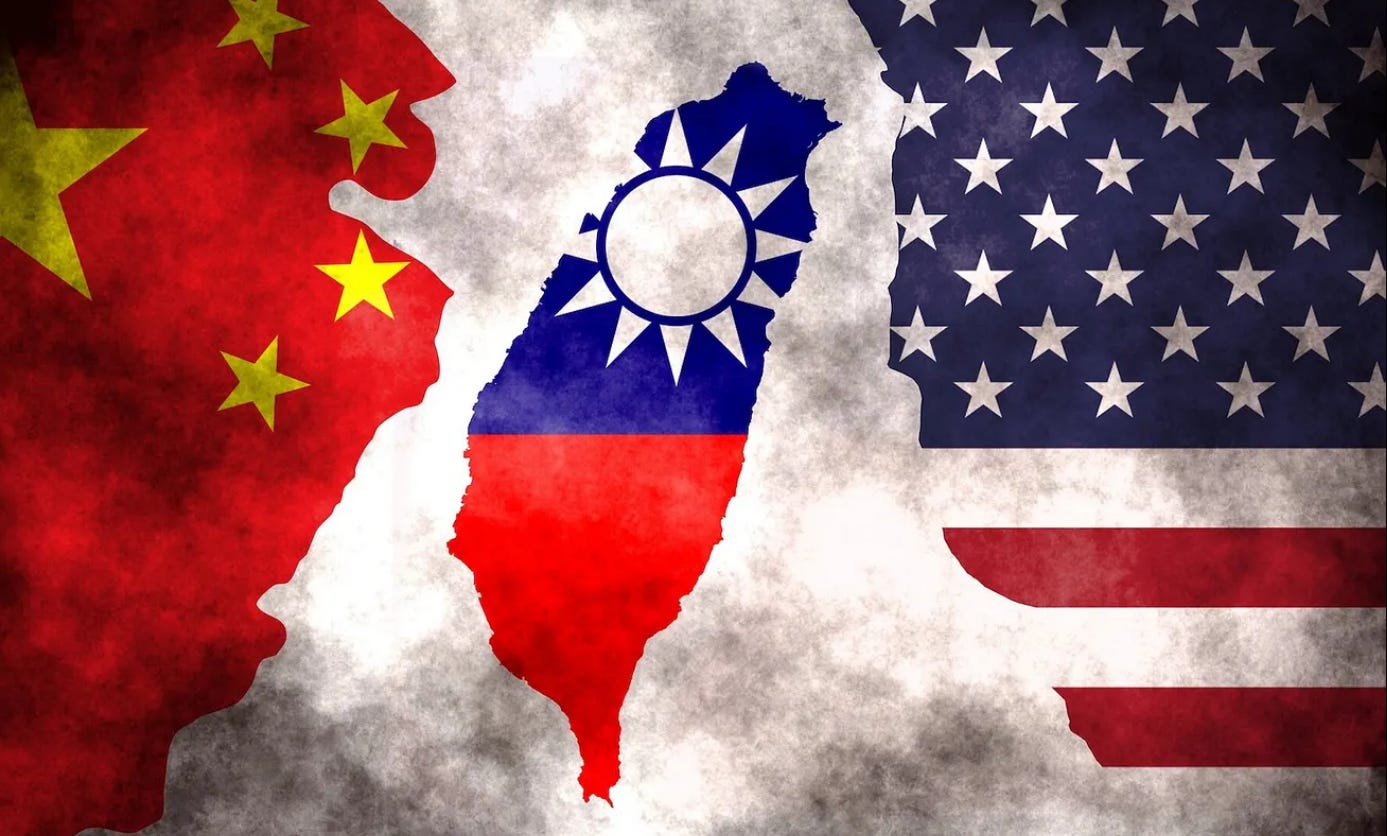
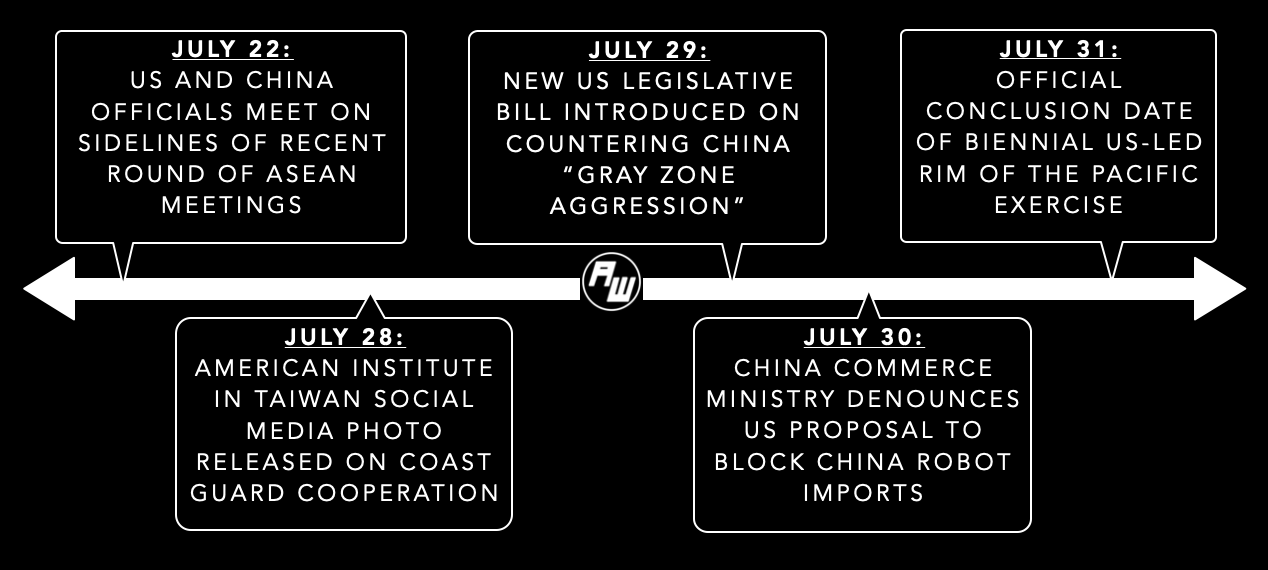
“[T]he United States Coast Guard and the Taiwan Coast Guard are busy coordinating on shared maritime objectives,” read a social media post released by the American Institute in Taiwan earlier this week that sparked another round of media headlines including in China state-run news outlets1. The episode — alongside attention on other areas this past week including military assistance, legislative dynamics and exchanges — came amid ongoing speculation over shifting U.S.-China regional dynamics ahead of the next round of summitry later this year that have also swirled around the recent round of ASEAN meetings, in addition to evolving conversations around flashpoint futures2.
Select Key Recent U.S.-China Related Developments
A new book How The United States Would Fight China by defense analyst Franz-Stefan Gady examines how a superpower conflict could unfold in a future Taiwan scenario and warfighting challenges that may lie ahead3. In doing so, it adds to a series of recent books shedding light on U.S.-China conflict scenarios and military strategies as they relate to Taiwan, including ones by former policymakers we have reviewed here on ASEAN Wonk such as Defending Our Island Home by Taiwan’s former chief of general staff Admiral Lee Hsi-min and The Boiling Moat edited by former U.S. deputy national security advisor Matt Pottinger4. While acknowledging some recent inroads made, the book spotlights the challenging tradeoffs that the U.S. military would still likely face in future versions of superpower conflict given shifting domestic, regional and global realities. “The U.S. armed forces are currently caught in an impossible dilemma,” the book argues before setting out some of the more specific military dynamics that could unfold5.
Analysis
The book also highlights key datapoints to watch on potential conflict futures as they relate to both China and the United States (see originally-generated ASEAN Wonk table below for a summary of important contours. Paying subscribers can also read the rest of the “Analysis” section and “Implications” section looking at how these dynamics play out in the future).
Core Characteristics of Likely US vs. China Military Approaches to Future Taiwan Scenario
