

Greetings to new readers and welcome all to the latest edition of the weekly ASEAN Wonk BulletBrief! If you haven’t already, you can upgrade to a paid subscription for $5 a month/$50 a year below to receive full posts by inserting your email address and then selecting an annual or monthly option. You can visit this page for more on pricing for institutions, groups as well as discounts. For current paid subscribers, please make sure you’re hitting the “view entire message” prompt if it comes up at the end of a post to see the full version.
For this iteration of ASEAN Wonk BulletBrief, we are looking at:
Assessing the geopolitical and geoeconomic significance of 2027 outlook datapoints following the recent round of development meetings in Bangkok;
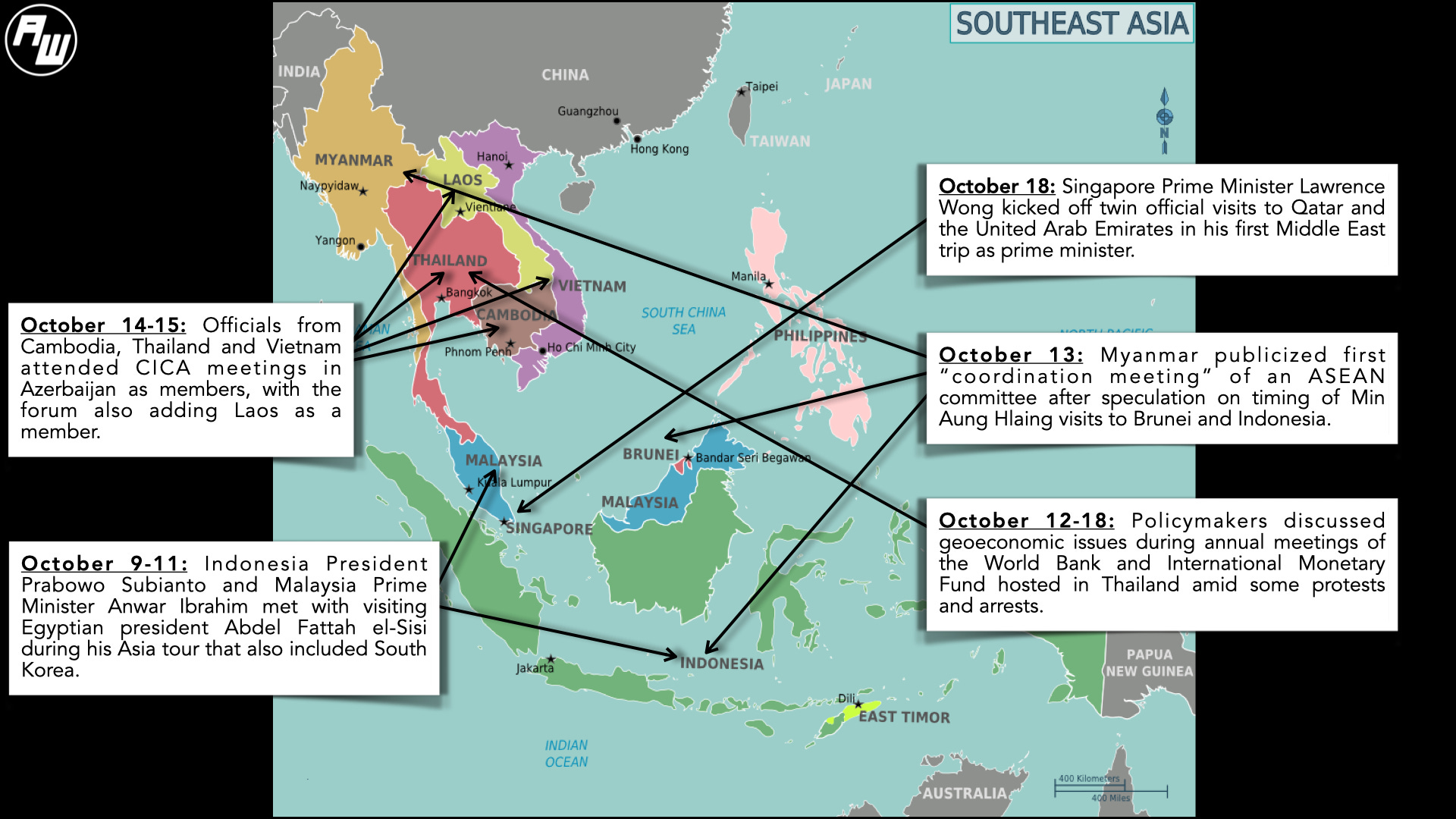
Mapping of regional developments, such as first Middle East trip and inaugural ASEAN “coordination meeting” claim;
Charting evolving geopolitical, geoeconomic and security trends including new trade agreement; investment pact signing; and biggest cartel sanction;
Tracking and analysis of industry developments and quantitative indicators including mining project restart; China energy inroads; visa pacts and more;
And much more! ICYMI, check out our ASEAN Wonk review of a new book published earlier this week on the intersection of some of the world’s most complex supply chains and superpower capabilities.
This Week’s WonkCount: 2,147 words (~10 minutes)


First Middle East Trip; ASEAN “Coordination Meeting” & More

Growth Outlook; Philippine Sea Futures & Climate Anxieties
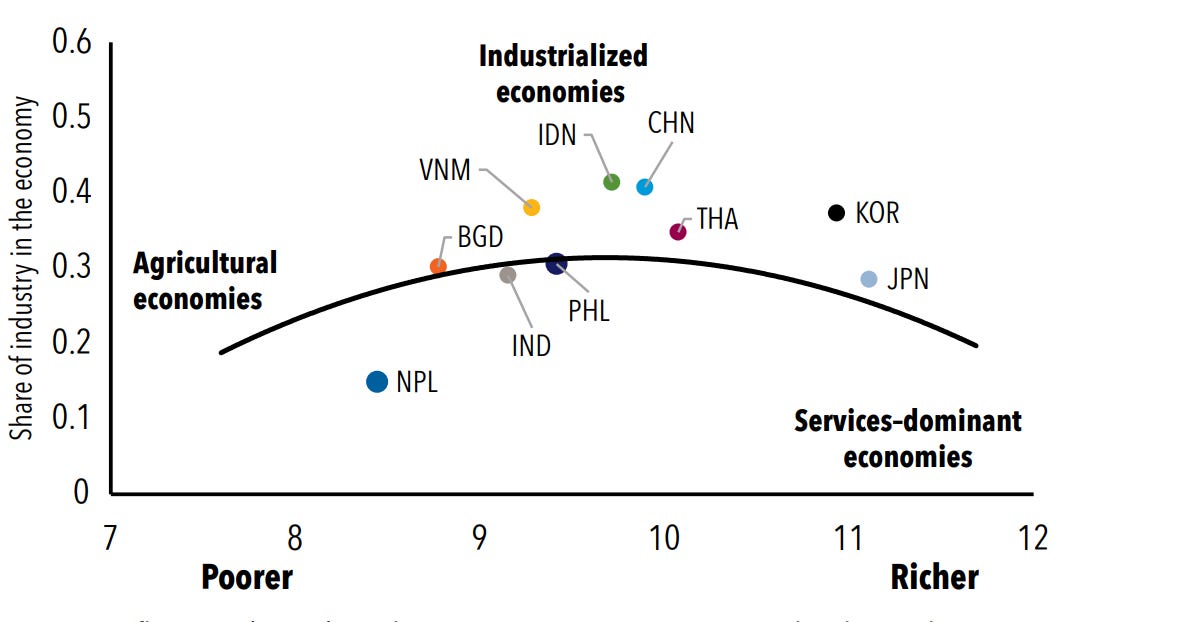
“[A]sia is aging faster than any other region in the world,” notes a newly published edited volume from the International Monetary Fund that looks at the challenges and opportunities in Asia’s future growth story (link).
Graphic Depicting Structural Transformation in Asia (Industry Share of Value Added vs. Income Level)
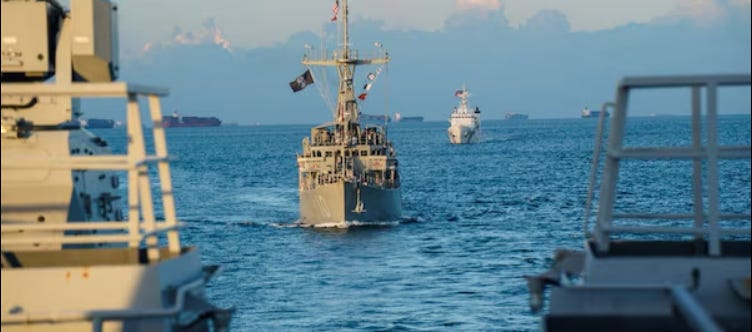
“In some ways, this region is already integrating in meaningful ways,” argues a new report on collaboration across the Philippine Sea and with partners across key wider Indo-Pacific capitals published by the Sasakawa Peace Foundation (link).
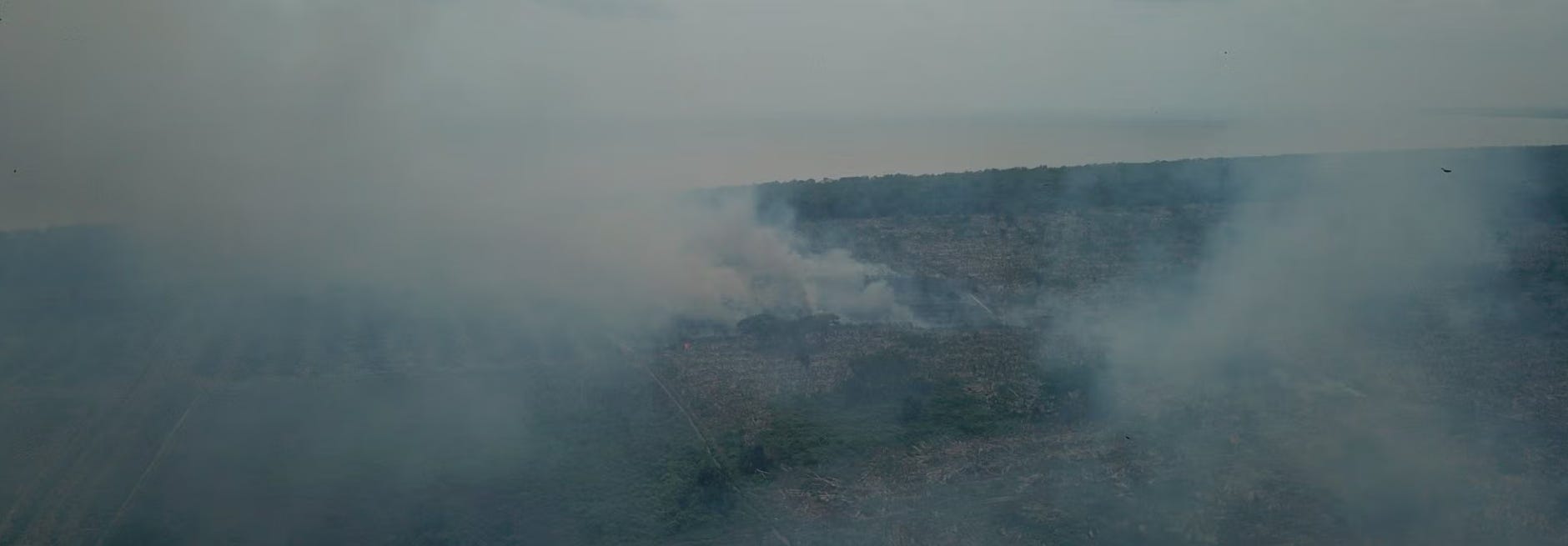
“In Southeast Asia, these impacts are compounded by transboundary haze, where smoke from one country can affect millions of people across the region,” according to a new commentary published via the World Resources Institute on the impact of the El Niño Season on Southeast Asia alongside other related challenges (link).

What Geoeconomic Outlook After IMF World Bank Thailand Meet?
What’s Behind It
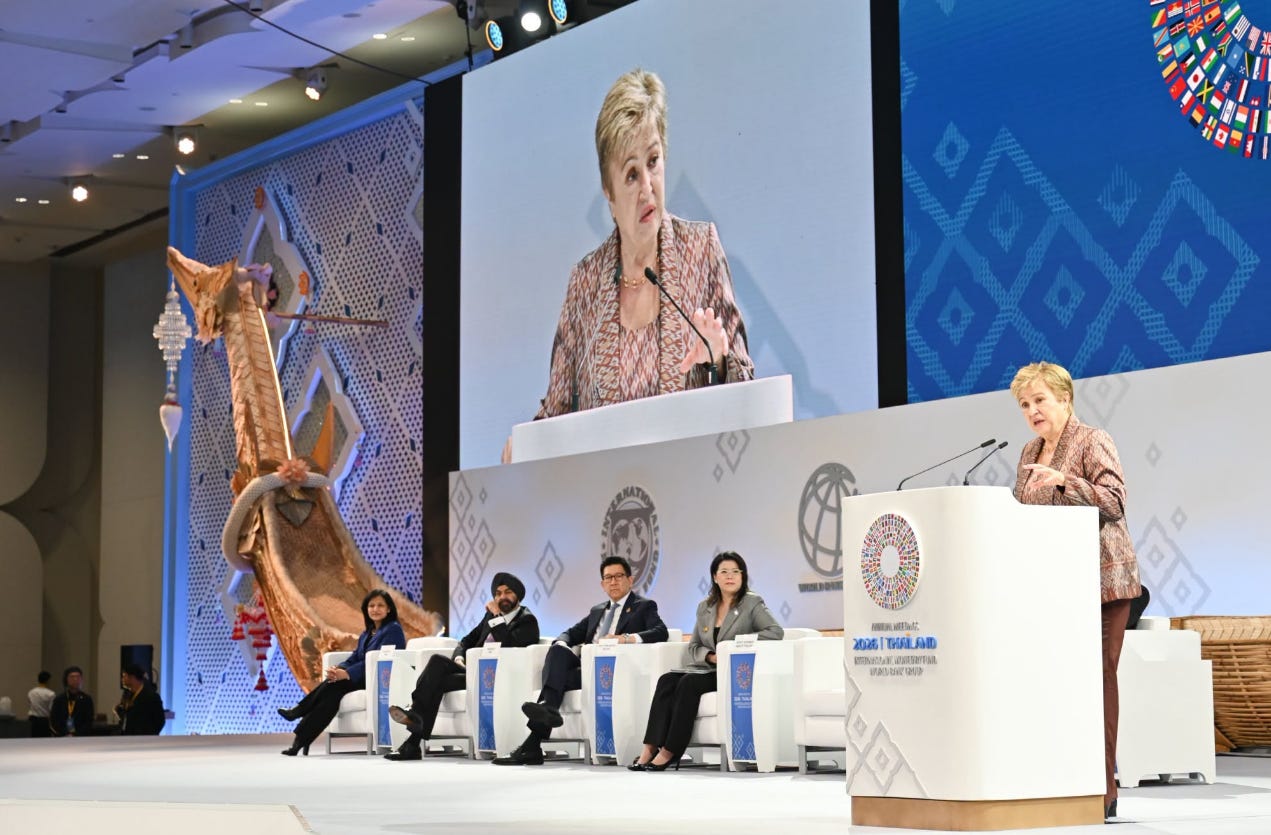
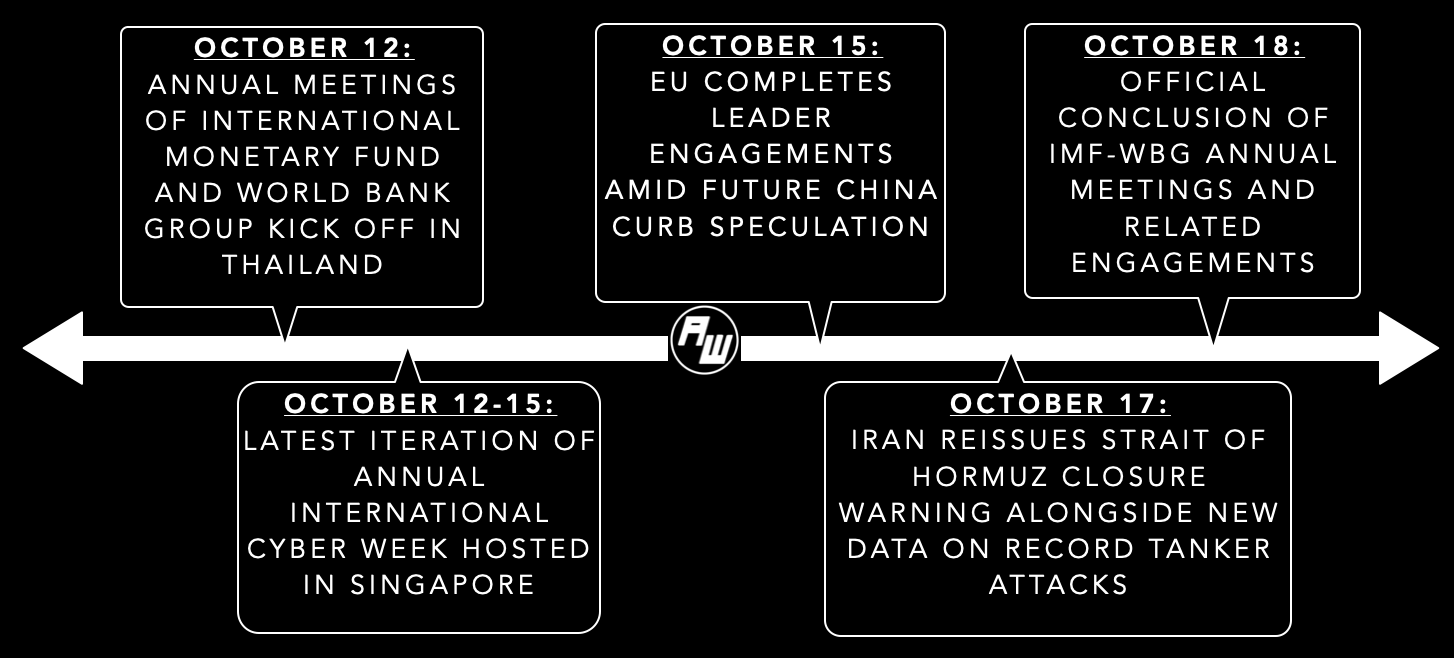
Policymakers discussed key geoeconomic issues during Thailand’s hosting of the latest iteration of the International Monetary Fund and World Bank annual meetings1. The meetings occurred alongside global geoeconomic developments2. This included speculation over future moves by the European Union on China economic curbs after the latest round of leader meetings and new maritime data pointing to record ship attacks in and around the Strait of Hormuz impacting key regional states in domains such as trade3.
The engagements occurred alongside regional sectoral developments. ASEAN finance ministers addressed a range of sectoral and cross-sectoral issues during an inaugural meeting with the World Bank held on the sidelines of the annual meetings in Bangkok this past week, including priorities that had also featured in latest engagements with key powers such as Japan4. Meanwhile, over in maritime Southeast Asia, several dialogues and activities played out during Singapore’s hosting of the latest iteration of its annual international cyber week5.
Select Key Recent Geoeconomic Developments Amid IMF and World Bank Annual Meetings in Bangkok
Why It Matters
The dynamics also spotlighted datapoints to watch with wider implications (see originally generated ASEAN Wonk table below on notable areas to monitor and additional specifics. Paying subscribers can read on for more on what to expect and future implications in the rest of the “Why It Matters” and “Where It’s Headed” sections, along with paid-only sections of the newsletter as usual).
New Policy Datapoints, Along With Stakeholder Interactions And Key Engagements
