

Greetings to new readers and welcome all to the latest edition of the weekly ASEAN Wonk BulletBrief! If you haven’t already, you can upgrade to a paid subscription for $5 a month/$50 a year below to receive full posts by inserting your email address and then selecting an annual or monthly option. You can visit this page for more on pricing for institutions, groups as well as discounts. For current paid subscribers, please make sure you’re hitting the “view entire message” prompt if it comes up at the end of a post to see the full version.
For this iteration of ASEAN Wonk BulletBrief, we are looking at:
Assessing the geopolitical and geoeconomic significance of twin engagements spotlighting regional links with Russia and Central Asia states;
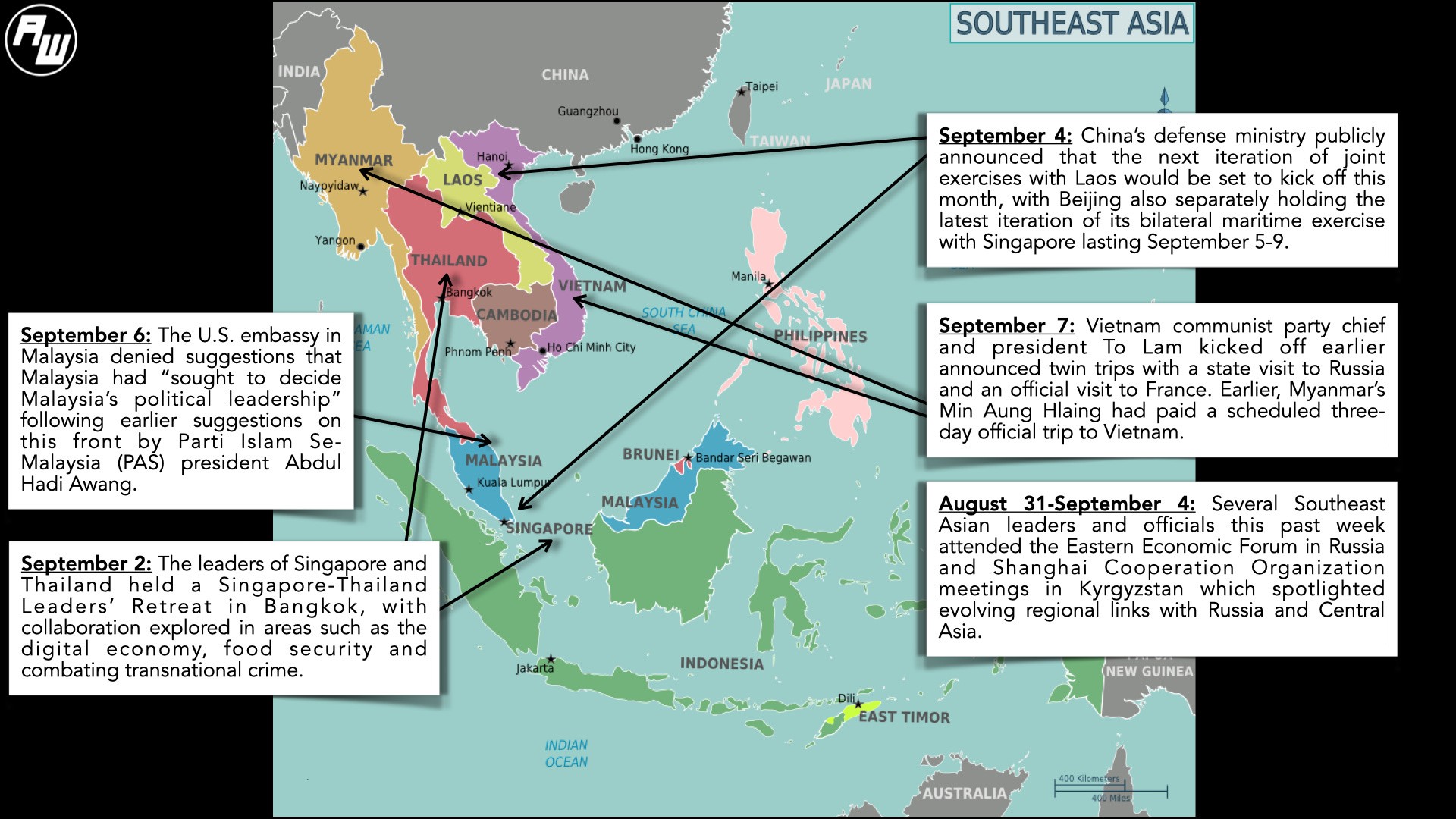
Mapping of regional developments, including foreign interference denial and coming military drills in focus;
Charting evolving geopolitical, geoeconomic and security trends such as new artificial intelligence vision; defense pact hype; and maritime link futures;
Tracking and analysis of industry developments and quantitative indicators including data center freeze; EV expansion focus; climate deal and more;
And much more! ICYMI, check out our ASEAN Wonk review earlier this week of a new edited volume with an outlook on foreign policy futures.
This Week’s WonkCount: 2,114 words (~10 minutes)


Foreign Interference Denial; Coming Military Drills & More

Flashpoint Perspective; Peace Process Spotlight & Energy Futures
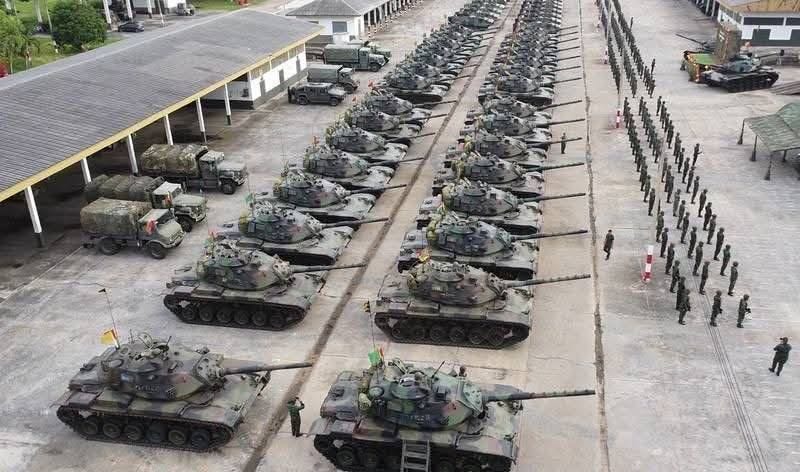
“A durable settlement…will come from concrete steps that reduce risk, protect communities and create the conditions in which both countries can address difficult boundary questions,” according to an op-ed written by Thailand foreign minister Sihasak Phuangketkeow on Thailand’s approach to UNCLOS conciliation proceedings with Cambodia following a revived border dispute between the two neighboring Southeast Asian countries (link).
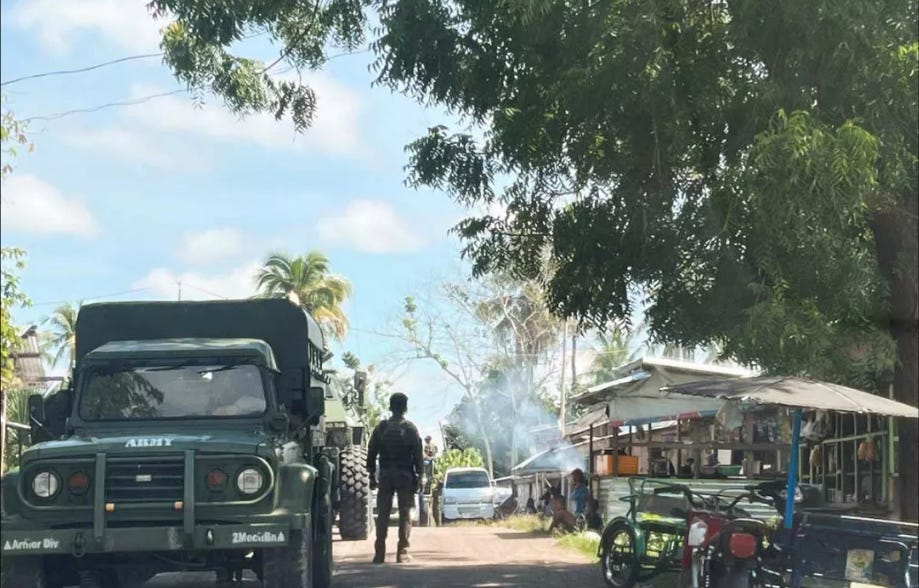
“Manila and the Bangsamoro government will need to work in tandem and be realistic about proposed reforms,” argues a new report published by the International Crisis Group on the state of peace and conflict in the southern Philippines ahead of repeatedly postponed parliamentary polls in the Bangsamoro Autonomous Region in Muslim Mindanao or BARMM (link).
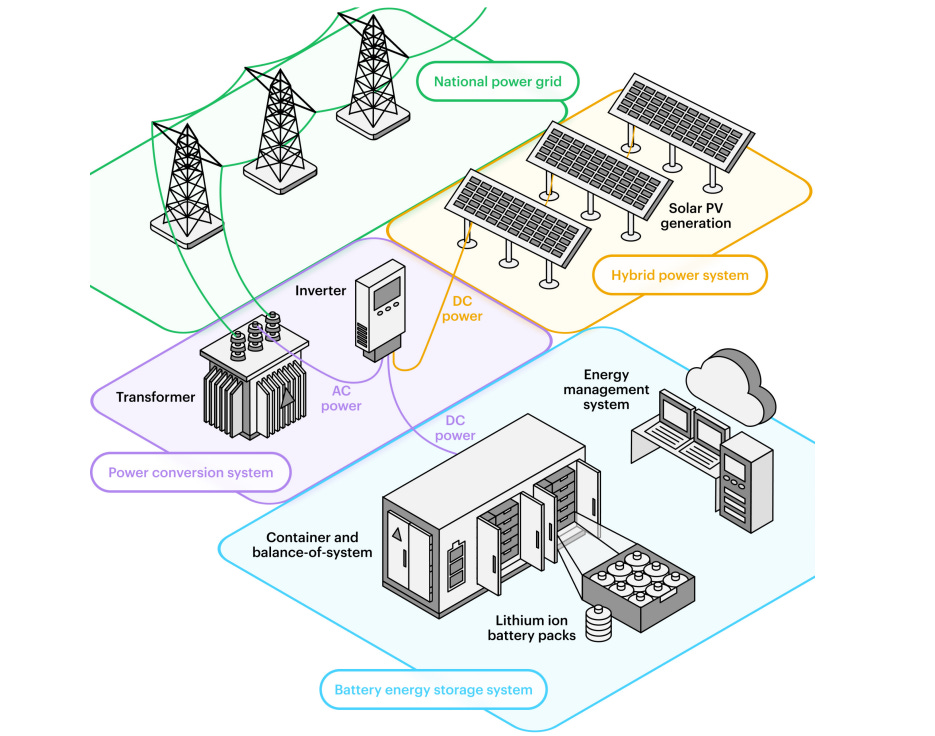
“The primary barrier to battery energy storage systems deployment in Indonesia lies in a limited pipeline of bankable projects, rather than financing constraints,” per a new report released by the International Energy Agency on the subject and the implications for the country’s energy future (link).

Twin SCO and EEF Meets Spotlight Russia, Central Asia Links
What’s Behind It
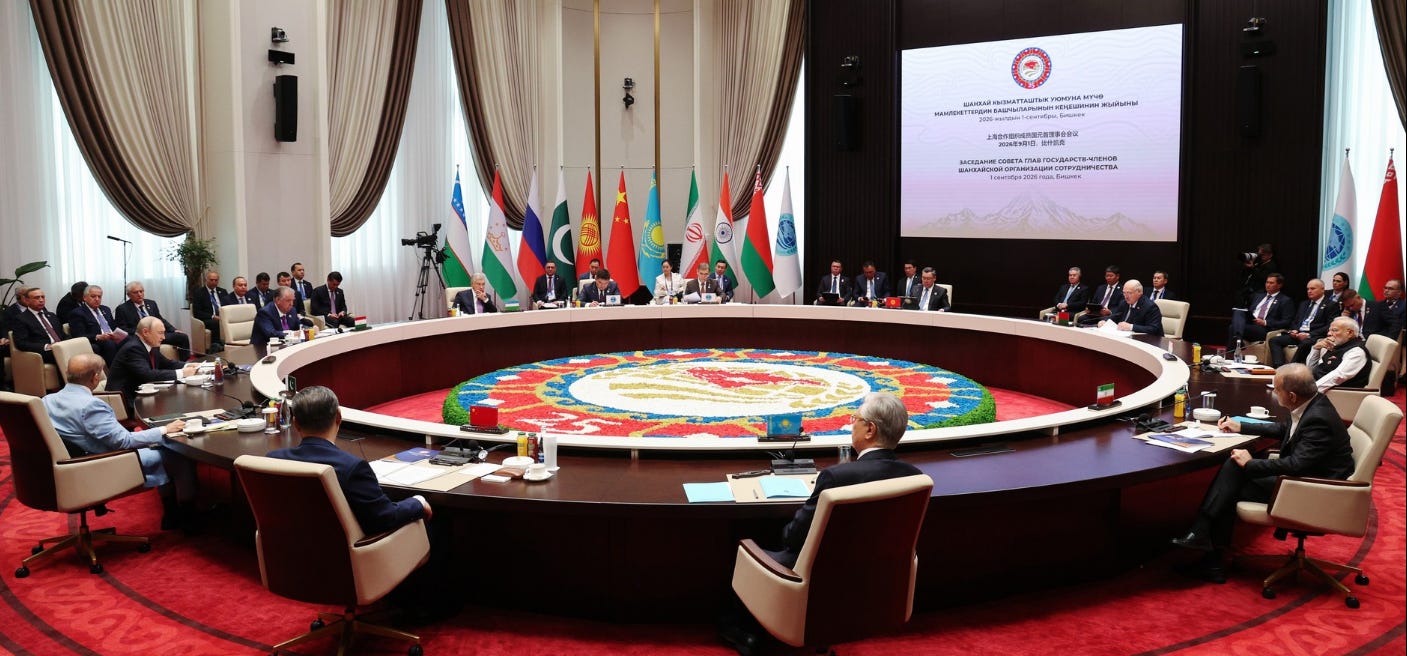
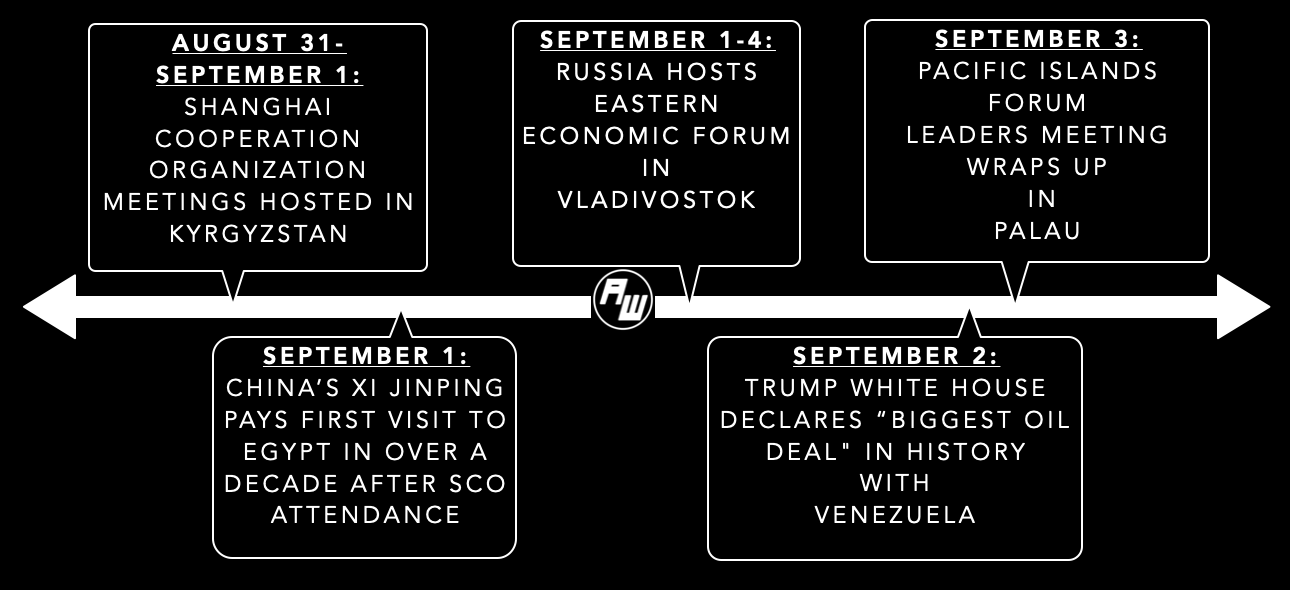
Twin engagements spotlighted the state of evolving regional links with Russia and Central Asia earlier this week1. The engagements came alongside wider global geopolitical developments with regional implications. Apart from Indo-Pacific regional developments such as the outcomes of the recently concluded Pacific Islands Forum (PIF) leaders meetings, this included Xi Jinping’s first visit to Egypt in over a decade after attending the Shanghai Cooperation Organization (SCO) engagements hosted in Kyrgyzstan featuring participation from some Southeast Asian states as well as speculation on the state of talks surrounding the ongoing Russia-Ukraine war and its future trajectory2.
Select Key Global Geopolitical-Related Developments
The events also came amid other notable diplomatic and defense developments closer to home in Southeast Asia. Beyond the Russia visit made by Vietnam communist party chief and president To Lam, the Kremlin — no stranger to disinformation in and beyond the region — separately issued a strongly worded statement this past week to beat back allegations on remarks made by Russian President Vladimir Putin3. As Indonesia President Prabowo Subianto paid a visit to Russia triggering another wave of attention around his government’s evolving foreign policy approach, Jakarta was also in the midst of hosting the latest iteration of multinationalized Super Garuda Shield exercises with the United States and an expanding network of partner countries4.
Why It Matters
The dynamics also spotlighted datapoints to watch with wider implications (see originally generated ASEAN Wonk table below on notable areas to monitor and additional specifics. Paying subscribers can read on for more on what to expect and future implications in the rest of the “Why It Matters” and “Where It’s Headed” sections, along with paid-only sections of the newsletter as usual).
New Policy Datapoints, Along With Participation Levels And Details And Key Countries
