

Greetings to new readers and welcome all to the latest edition of the weekly ASEAN Wonk BulletBrief! If you haven’t already, you can upgrade to a paid subscription for $5 a month/$50 a year below to receive full posts by inserting your email address and then selecting an annual or monthly option. You can visit this page for more on pricing for institutions, groups as well as discounts. For current paid subscribers, please make sure you’re hitting the “view entire message” prompt if it comes up at the end of a post to see the full version.
For this iteration of ASEAN Wonk BulletBrief, we are looking at:
Assessing the geopolitical and geoeconomic significance of a new Malacca Straits meeting spotlighting ongoing maritime cooperation;
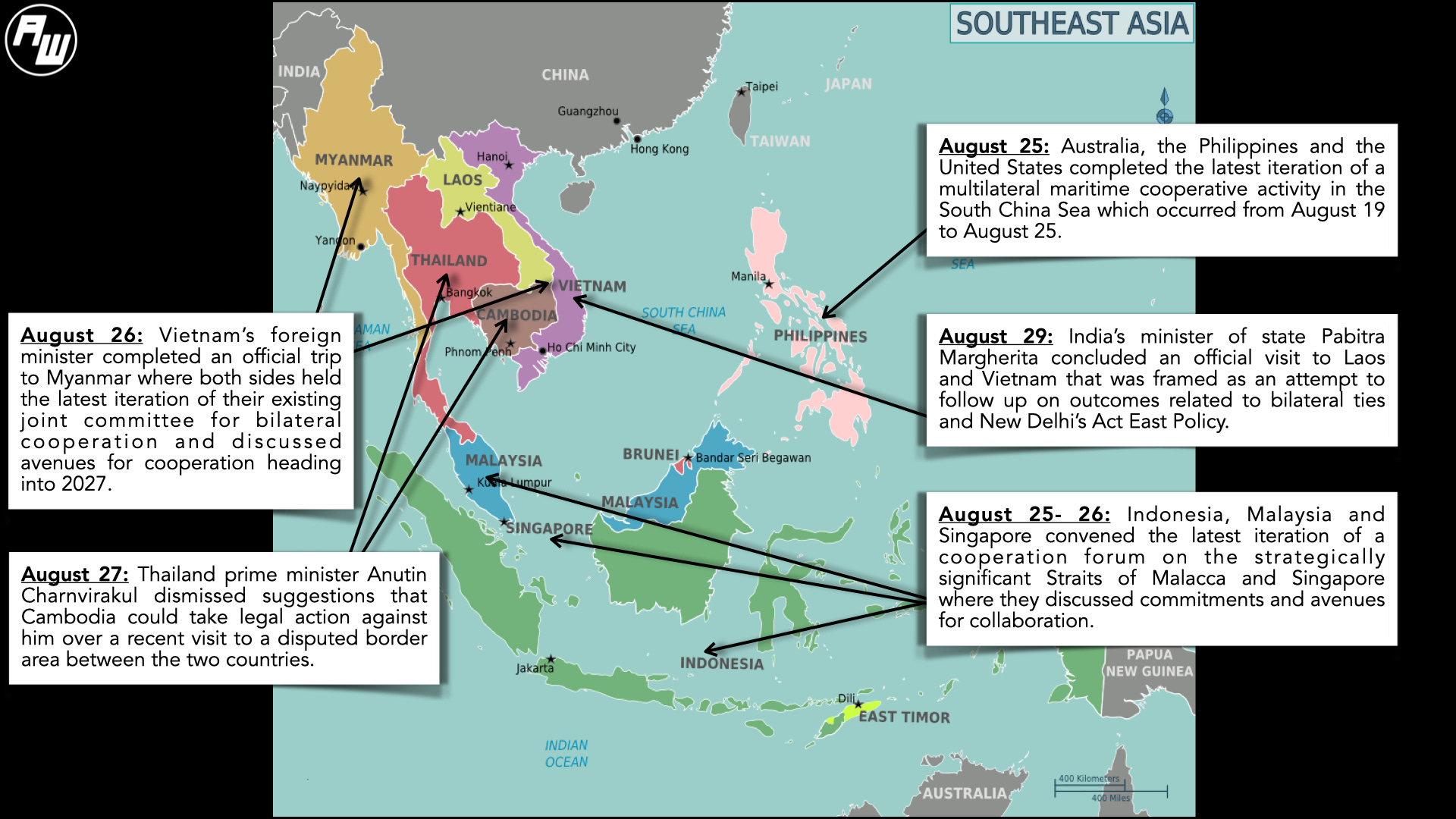
Mapping of regional developments, including new Act East policy datapoint and latest South China Sea activity;
Charting evolving geopolitical, geoeconomic and security trends such as China geoeconomic first; trilateral launch; and defense exhibition plan shift;
Tracking and analysis of industry developments and quantitative indicators including debt watch; nuclear approval; big aviation deal focus and more;
And much more! ICYMI, check out our ASEAN Wonk review earlier this past week of a book forecasting futures on a coming alliance geopolitics test.
This Week’s WonkCount: 2,147 words (~10 minutes)


New Act East Policy Datapoint; South China Sea Activity & More

Growth Ambitions Forecast; Regional Cooperation & Coming Rights Report
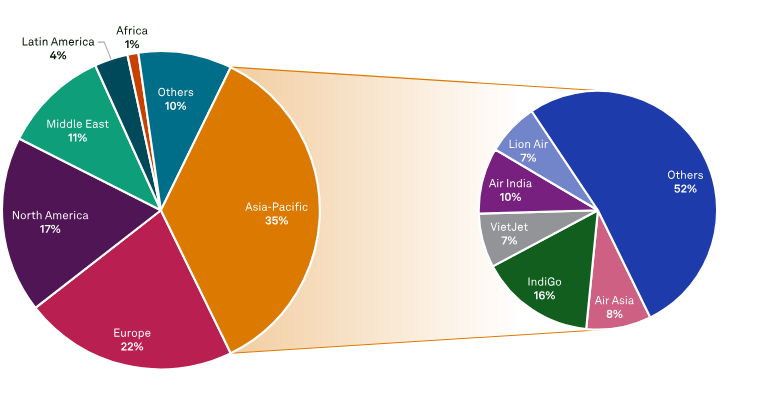
“We expect more meaningful recovery from the fourth quarter onwards,” argues a new forecast published by S&P Global on the outlook for Asia’s key airlines given challenges such as high jet fuel costs and currency depreciation along with longer-term opportunities given the region’s continued role as the world’s fastest-expanding aviation market (link).
Aircraft Orders Outstanding By Aggregate Regions of the World and Low Cast Carrier Breakdown
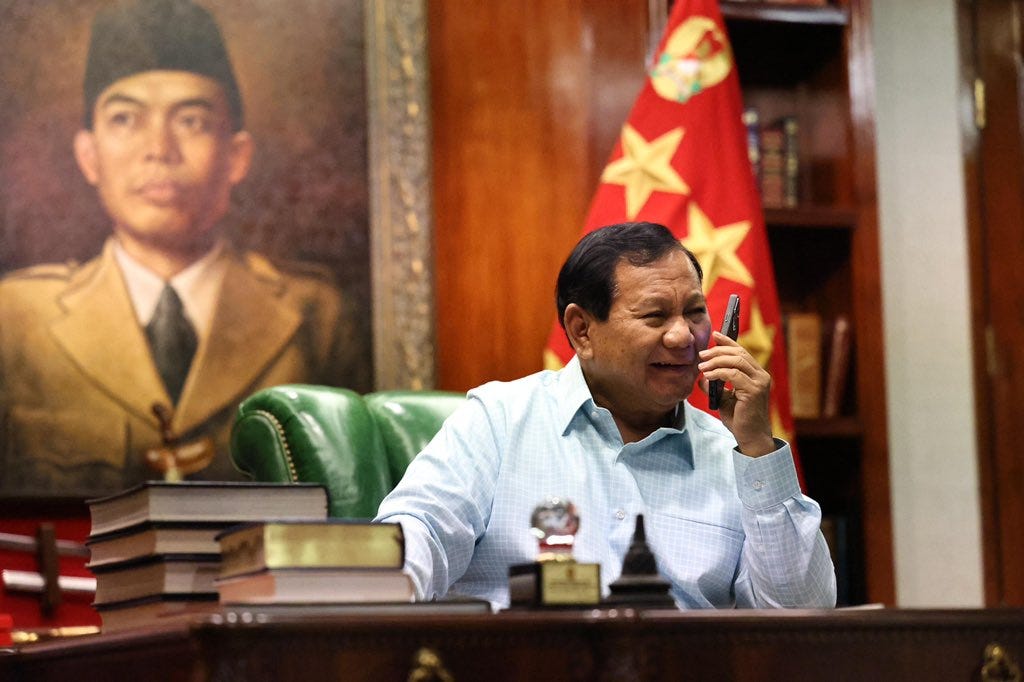
“Indonesia should concentrate on a few areas where working together could make a real difference, rather than produce another long list of ASEAN ambitions,” according to a new commentary published by The Straits Times on the role of ASEAN in Indonesia’s foreign policy that emphasizes the role of cooperation in areas such as energy security and maritime issues (link).
“Those seeking protection in neighboring states may face risks of refoulment if they are unable to renew their travel documents…millions who fled and/or legally work abroad are at risk of becoming undocumented,” according to the advance unedited version of an annual United Nations report on the human rights situation in Myanmar (link).

Source: United Nations


New Malacca Straits Meeting Spotlights Maritime Cooperation
What’s Behind It
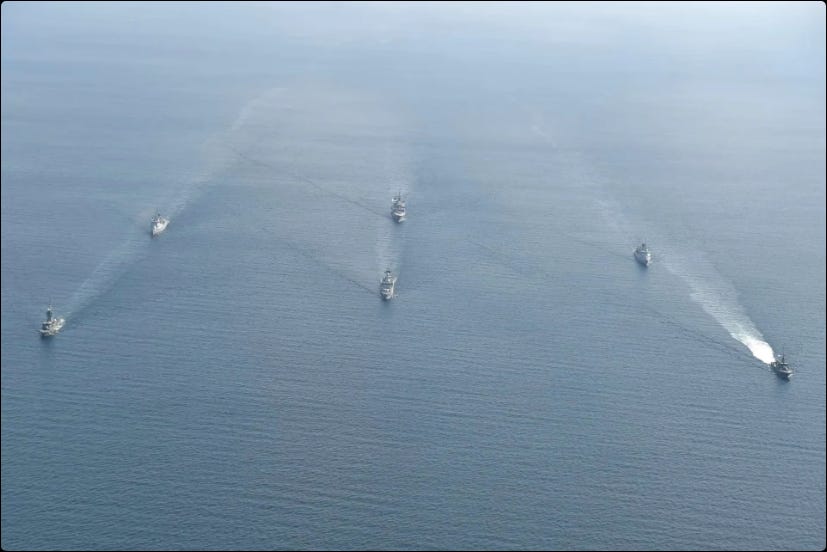
Indonesia, Malaysia and Singapore convened the latest iteration of a cooperation forum on the strategically significant Straits of Malacca and Singapore1. The convening came alongside a series of other wider Indo-Pacific geopolitical developments. This included the lead up to the latest iteration of the Pacific Islands Forum (PIF) leaders meeting in Palau — which officially includes five of the Southeast Asia’s 11 countries as dialogue partners amid wider evolving Indo-Pacific conceptions —as well as the deployment of crisis response teams by some Southeast Asian states to Nepal2.
Select Key Recent Maritime-Related Developments in Southeast Asia
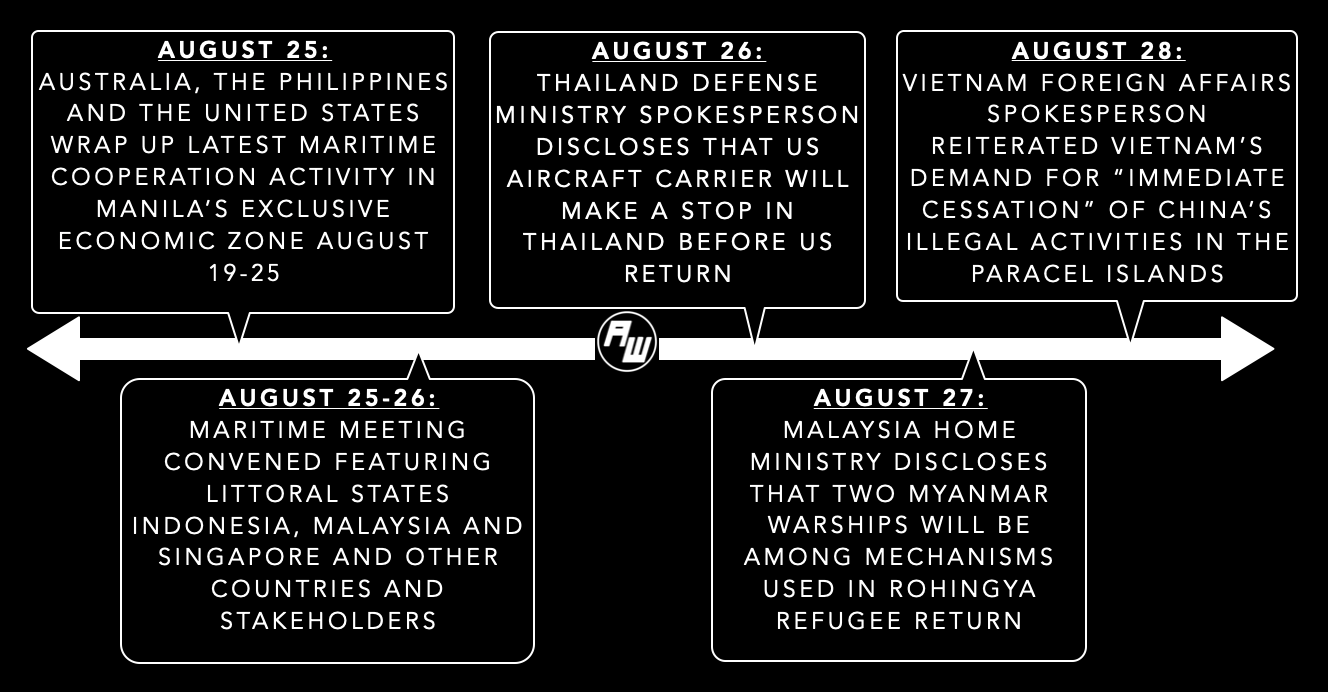
The spotlight on maritime collaboration also occurred alongside a series of regional activities. Thailand publicly disclosed a U.S. aircraft carrier would make an upcoming brief stop before returning to the United States after its Middle East deployment, just as Washington was also separately concluding a series of drills this week in other Southeast Asian states including Brunei and East Timor3. Meanwhile, Malaysia revealed as part of a series of statements ahead of the country’s independence day anniversary that two Myanmar naval warships would be among the mechanisms used in a return process for Rohingya refugees playing out as intraregional tensions unfold within ASEAN over Myanmar4.
Why It Matters
The dynamics also spotlighted datapoints to watch with wider implications (see originally generated ASEAN Wonk table below on notable areas to monitor and additional specifics. Paying subscribers can read on for more on what to expect and future implications in the rest of the “Why It Matters” and “Where It’s Headed” sections, along with paid-only sections of the newsletter as usual).
Future Datapoints to Watch, Along With Major Action Areas And Key Domains
