

Greetings to new readers and welcome all to the latest edition of the weekly ASEAN Wonk BulletBrief! If you haven’t already, you can upgrade to a paid subscription for $5 a month/$50 a year below to receive full posts by inserting your email address and then selecting an annual or monthly option. You can visit this page for more on pricing for institutions, groups as well as discounts. For current paid subscribers, please make sure you’re hitting the “view entire message” prompt if it comes up at the end of a post to see the full version.
For this iteration of ASEAN Wonk BulletBrief, we are looking at:
Assessing the geopolitical and geoeconomic significance of a new China-hosted Mekong ministerial meeting;
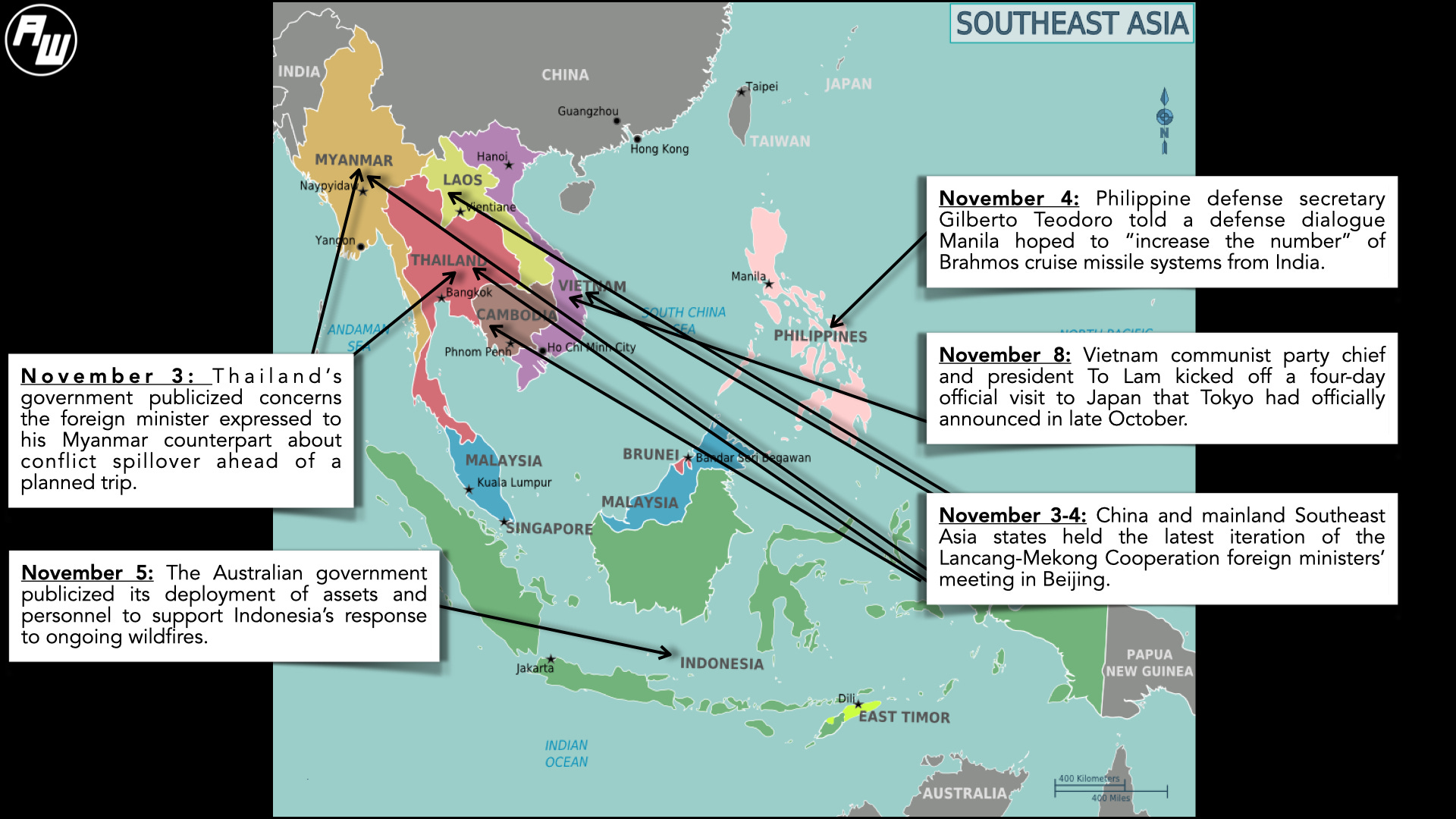
Mapping of regional developments, such as missile ambitions and disaster management partnership announcement;
Charting evolving geopolitical, geoeconomic and security trends including big data center bid; counter disruption playbook and 2027 railway target;
Tracking and analysis of industry developments and quantitative indicators including trilateral first; sanctions disclosure; green pact inroads and more;
And much more! ICYMI, check out our ASEAN Wonk review earlier this week of a new book on dollar dominance futures and Indo-Pacific stakes.
This Week’s WonkCount: 2,147 words (~10 minutes)


Missile Ambitions; Disaster Management Partnership & More

Combat Power; Environmental Defenders & Media Influence
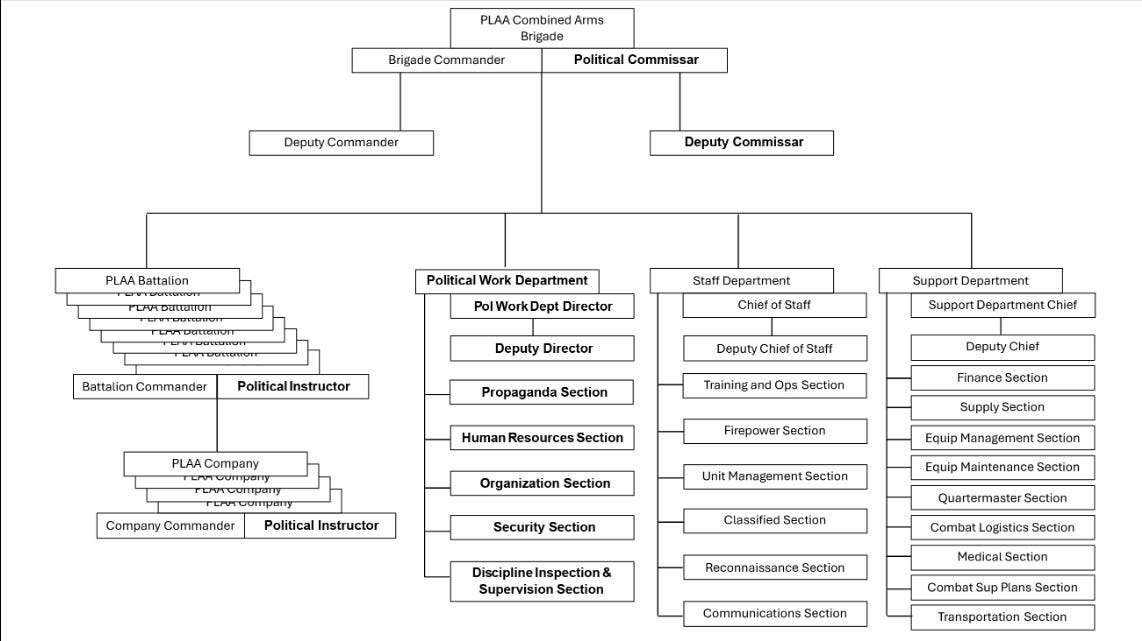
“[T]he PLA relies on this apparatus as a continuous generator of localized combat power,” according to the introduction of a new publication by the China Landpower Studies Center analyzing political work in combined arms brigade offensive operations in the context of the People’s Liberation Army (link).
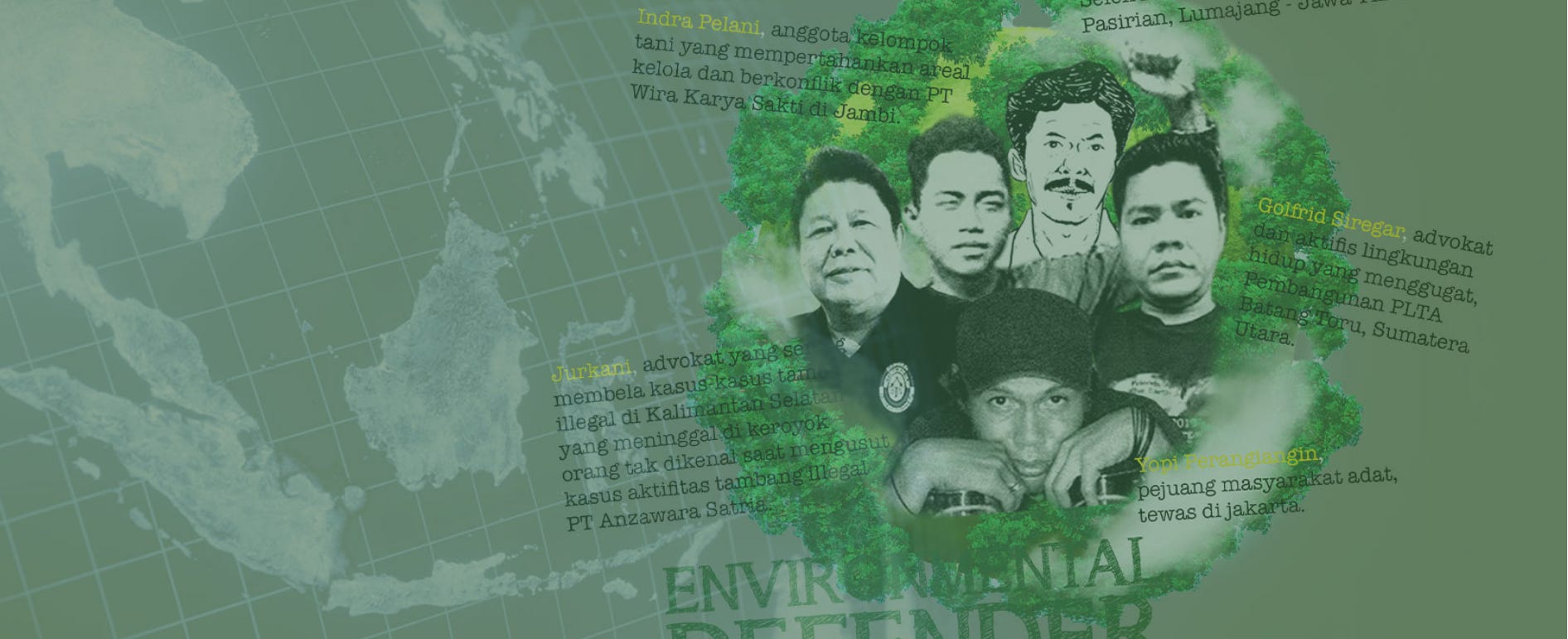
“For environmental journalists in Indonesia, the question is no longer simply how to report environmental conflicts, but how to continue doing so amid growing political and economic pressures,” argues a new article published over at New Mandala on environmental journalism in Indonesia (link).
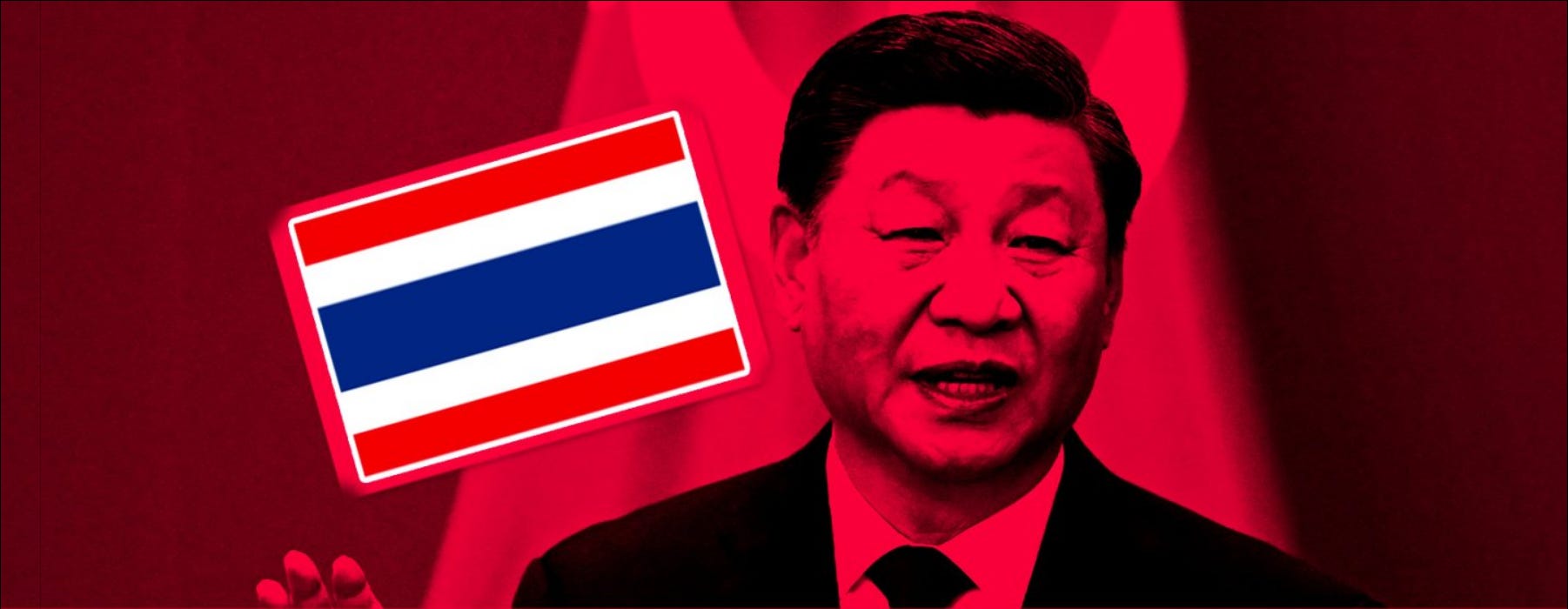
“The Chinese regime has expanded its presence in Thailand’s media sector through strategic partnerships with Thai outlets and journalists,” according to an update released by Reporters Without Borders (link).

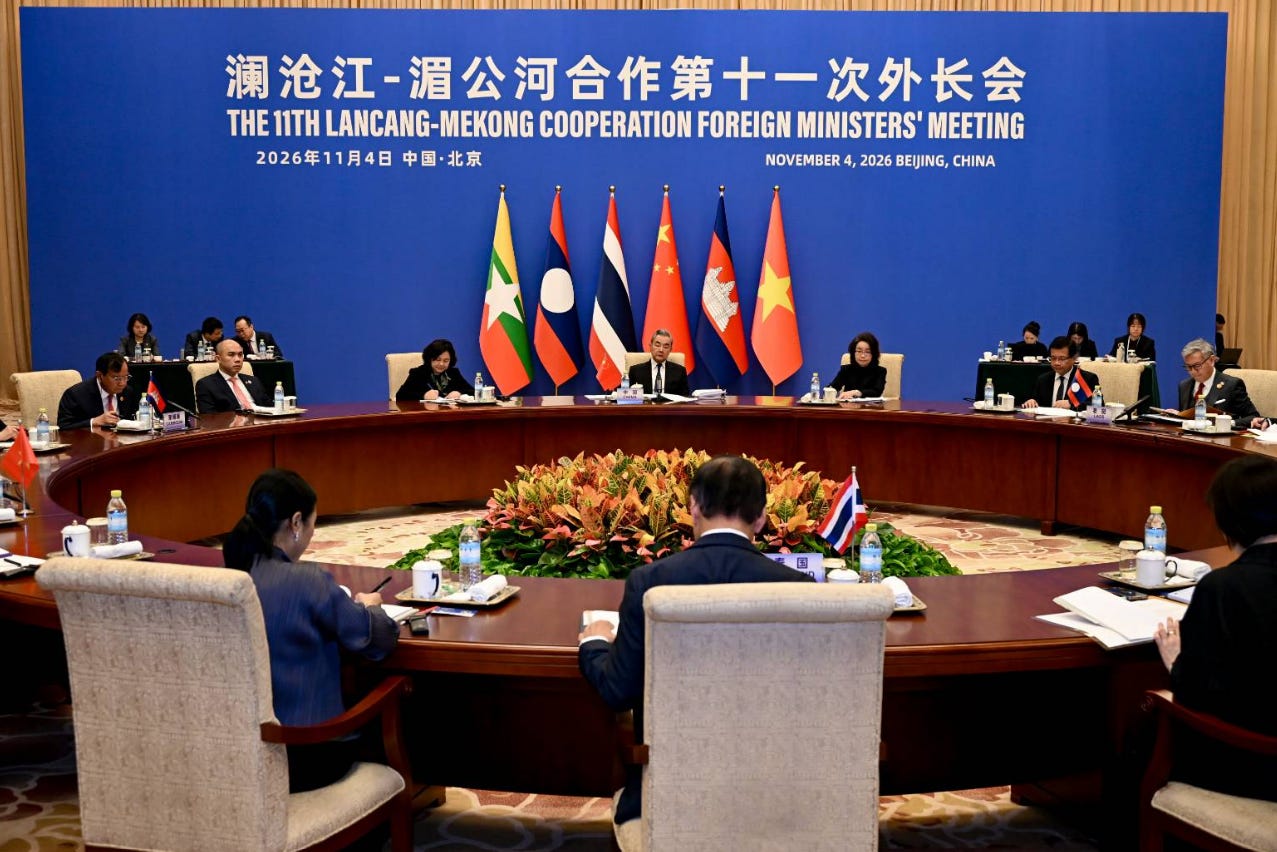
New China Mekong Ministerial Meet Touts LMC “Golden Decade”
What’s Behind It
China and mainland Southeast Asia states discussed the next steps in cooperation during a Mekong ministerial meeting in Beijing1. The deliberations took place alongside wider regional geopolitical and geoeconomic developments. The Quad countries held the latest iteration of the Malabar naval exercises after the earlier conclusion of the latest round of ASEAN defense meetings and expanded U.S.-Japan exercises featuring forces from partner countries including the Philippines, Australia, Canada, France, Germany, the Netherlands and New Zealand2. Separately, in the economic domain, senior officials from the United States and China discussed the state of bilateral economic issues in a scheduled call with contrasting accounts from each side3.
The meeting was also held amid concerns around scrutiny on China’s regional efforts across key sectors such as artificial intelligence. China once again this week noted the potential for more regional countries to join its World Artificial Intelligence Cooperation Organization (WAICO) as the United States seeks to develop momentum for its own initiatives within the region, and Beijing also separately convened the latest APEC ministerial meeting before the upcoming summit where new outcomes for its host year are expected to be fully unveiled4. Meanwhile, the foreign ministers of China and the Philippines held a call between them which elevated the attention on subsequent statements by both sides, with Beijing subsequently repeating its narrative of ties being a victim of “malicious disruptions” by biased actors rather than its own behavior5.
Why It Matters
The dynamics also spotlighted datapoints to watch with wider implications (see originally generated ASEAN Wonk table below on notable areas to monitor and additional specifics. Paying subscribers can read on for more on what to expect and future implications in the rest of the “Why It Matters” and “Where It’s Headed” sections, along with paid-only sections of the newsletter as usual).
Future Policy Datapoints to Watch, Along With Key Cooperation Areas And Major Domains
