

Greetings to new readers and welcome all to the latest edition of the weekly ASEAN Wonk BulletBrief! If you haven’t already, you can upgrade to a paid subscription for $5 a month/$50 a year below to receive full posts by inserting your email address and then selecting an annual or monthly option. You can visit this page for more on pricing for institutions, groups as well as discounts. For current paid subscribers, please make sure you’re hitting the “view entire message” prompt if it comes up at the end of a post to see the full version.
For this iteration of ASEAN Wonk BulletBrief, we are looking at:
Assessing the geopolitical and geoeconomic significance of China’s unveiling of a new phase of minilateral geoeconomic cooperation with regional states;
Mapping of regional developments, such as South China sea talks and new global trade inroads chatter;
Charting evolving geopolitical, geoeconomic and security trends such as new defense pact; nuclear power inroads; and quiet sanctions disclosure;
Tracking and analysis of industry developments and quantitative indicators including media ban rollout; rail green light; upgrade funding boost and more;
And much more!
This Week’s WonkCount: 2,679 words (~12 minutes)


South China Sea Talks; New Global Trade Inroads Chatter & More

Unpacking Modern Trade Pact ROOs; Changing Energy Security Agenda & Shifting Conflict Dynamics
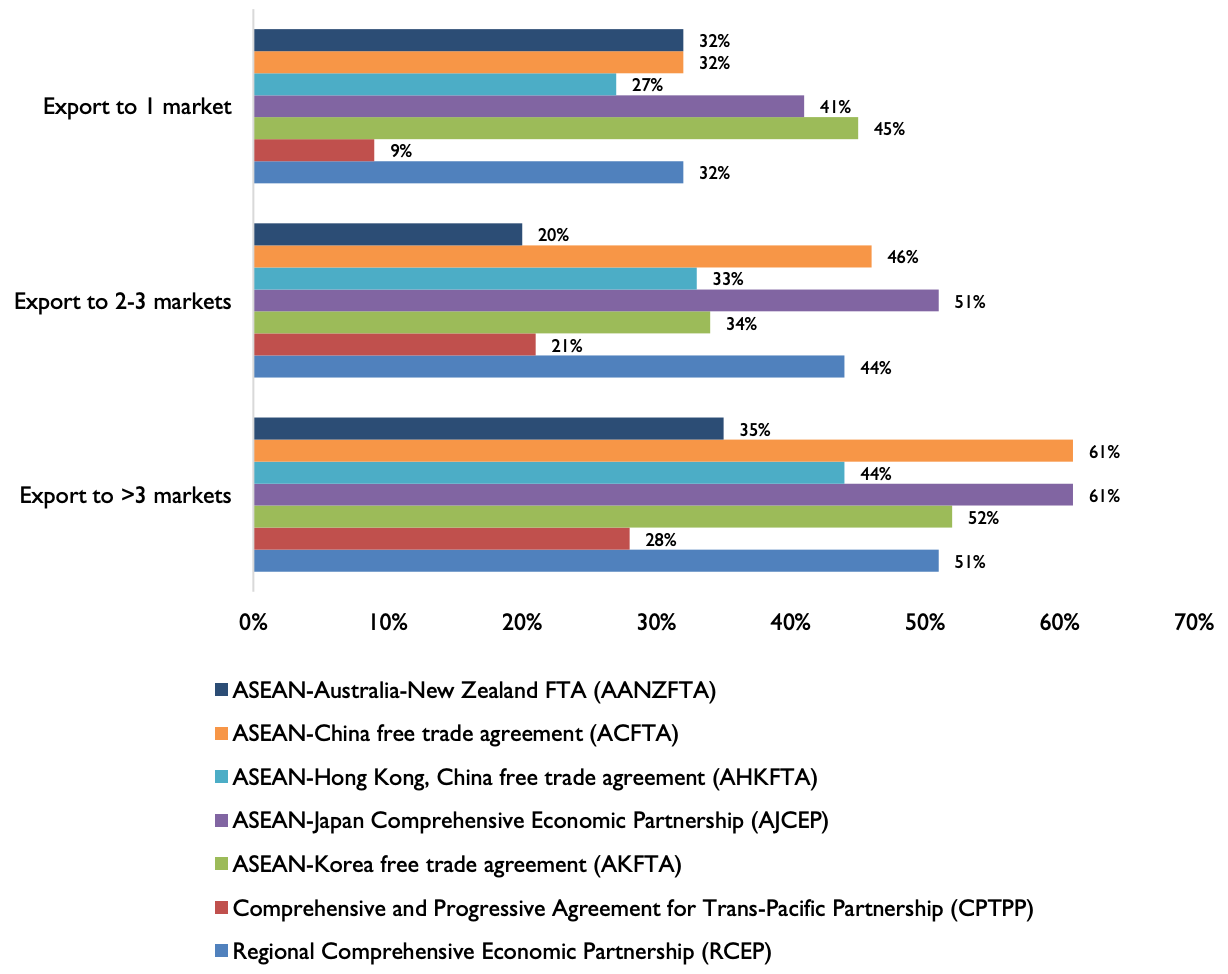
“The surveyed firms…showed strong understanding of the various trade agreements and reported using many of them,” noted an analysis of trends and challenges of modern preferential trade agreements published by the Asia-Pacific Economic Cooperation forum (APEC). The report studies the complex interactions of rules of origin (ROOs) in various trade pacts and how this is affecting practical metrics such as utilization rates (link).
Graphic Depicting Surveyed Firm Knowledge About Various Preferential Trade Agreements
“[T]he 11 ASEAN member states can deepen regional cooperation to address the energy crisis and define a strategic energy security agenda to ensure that ASEAN becomes the world's fourth-largest economy by 2045,” notes a commentary published by Philippine foreign secretary Maria Theresa Lazaro over at The Bangkok Post with Manila chairing the regional grouping this year. The op-ed comes after measures discussed at the recent ASEAN special foreign ministers meeting which discussed how regional states can manage ongoing fallout from Middle East conflict (link).
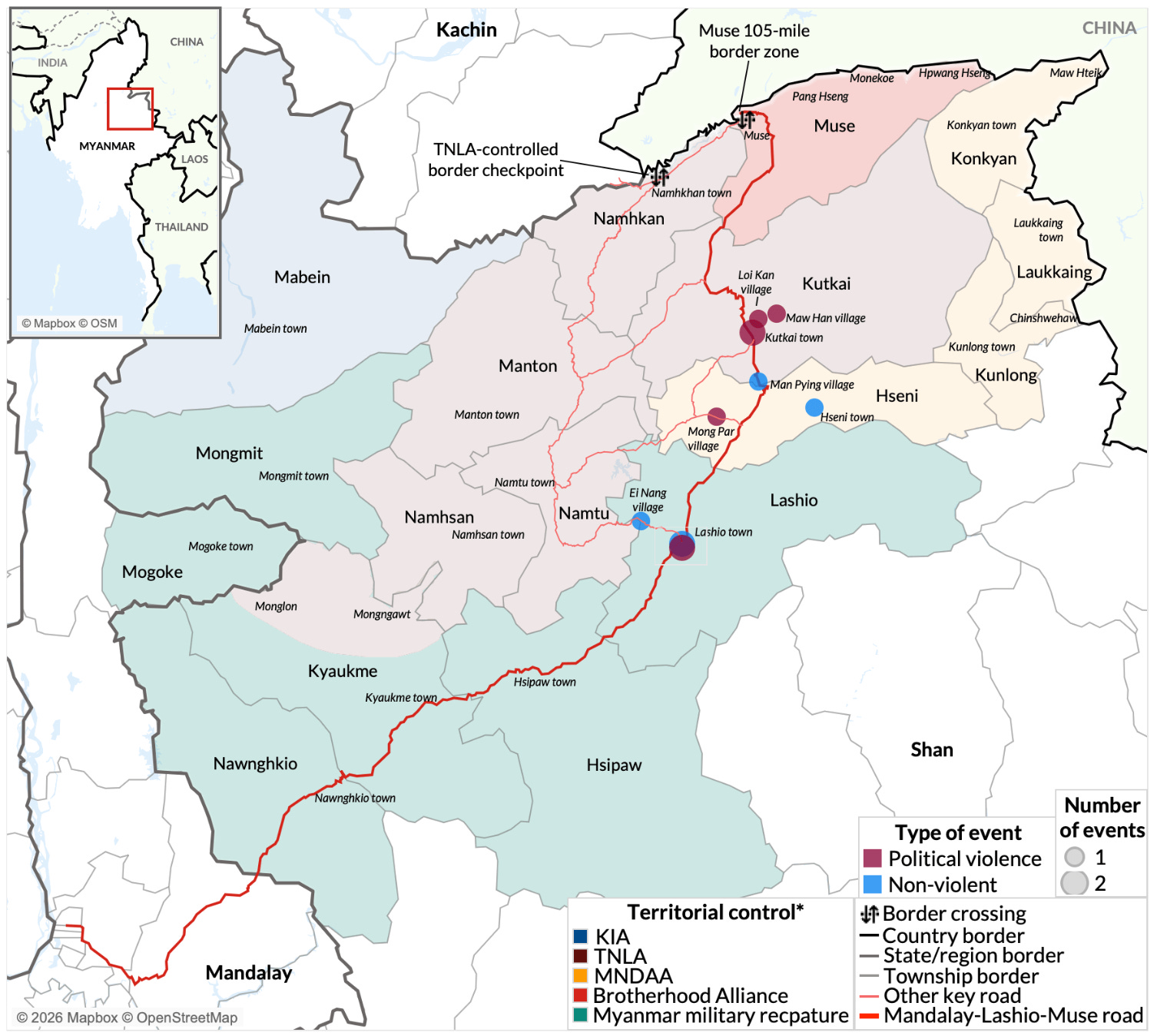
Source: Unsplash “[I]t reflects a broader strategic realignment,” according to an update on Myanmar conflict dynamics published by the Armed Conflict Location & Event Data (ACLED) on recent territorial clashes in Myanmar. The analysis delves into links between the shifting balance of power among the country’s various armed groups and the role of external actors including China (link).

Map Of Areas Of Disputes And Stakeholders Near Myanmar-China Border

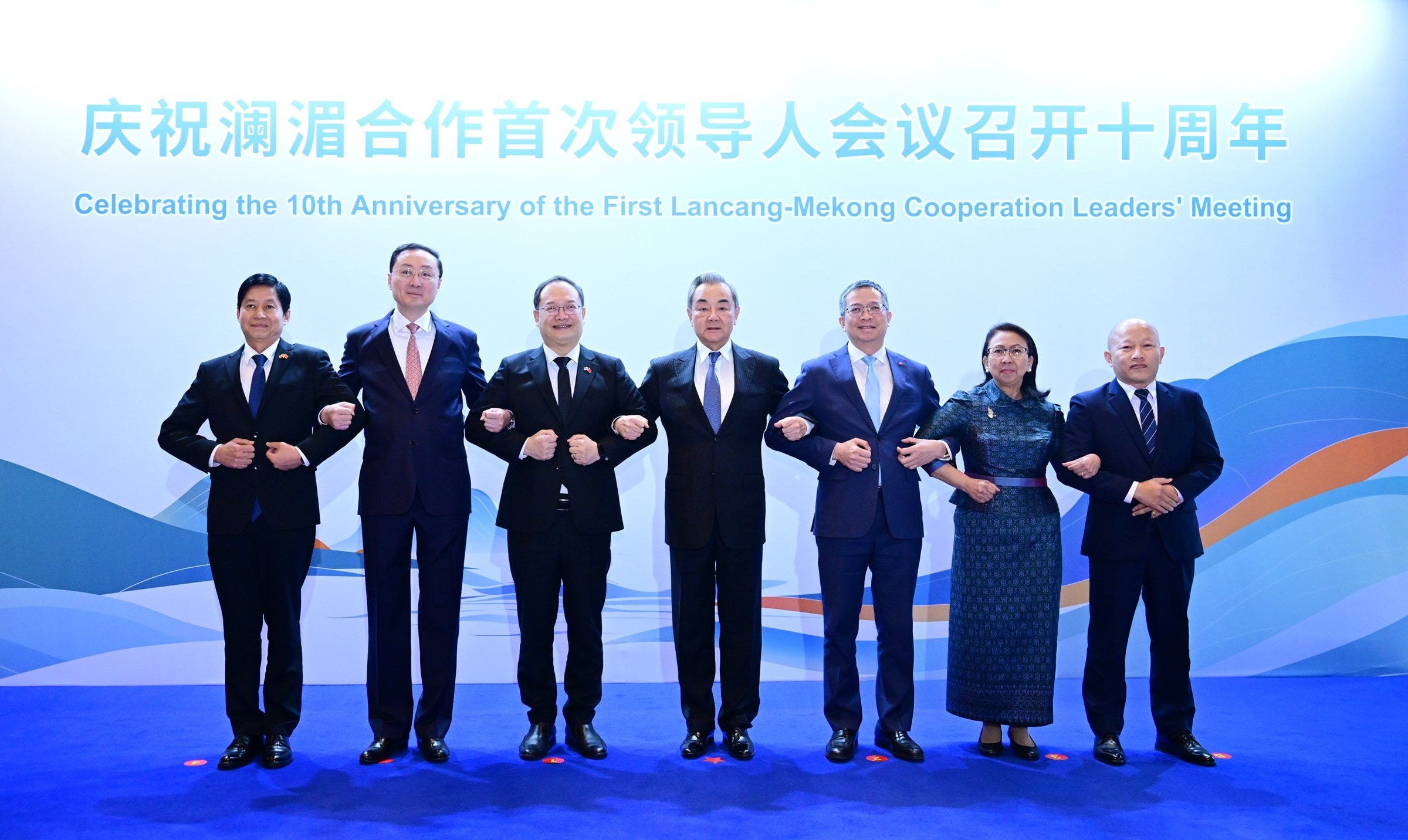
China Touts LMC 2.0 Mekong Minilateral At 2026 Boao Forum
What’s Behind It
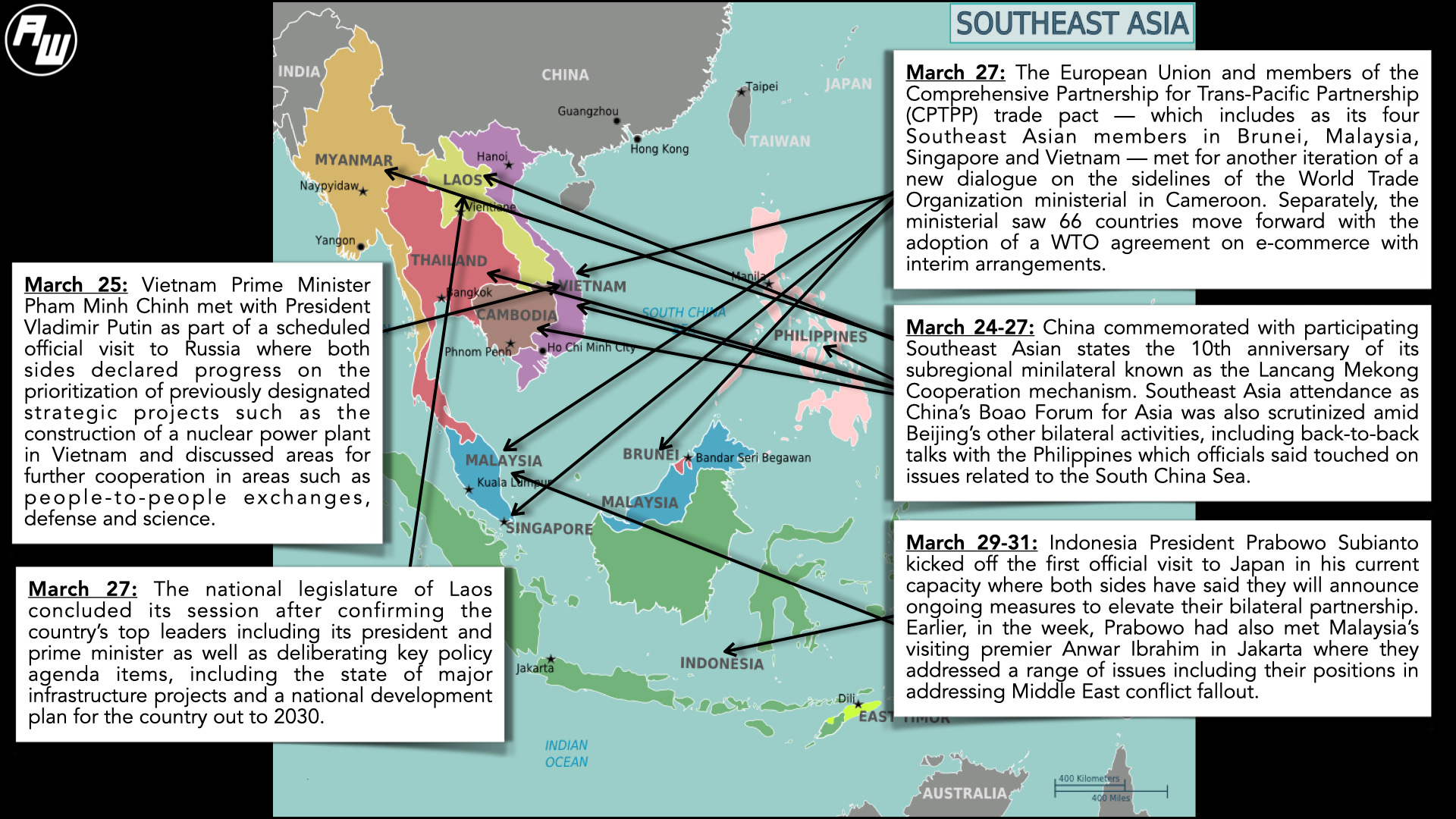
China used this year’s iteration of its Boao Forum for Asia to play up its vision for regional and global order also evident in its playing up of new phase of its geoeconomic cooperation with Mekong countries in Southeast Asia via its Lancang Mekong Cooperation (LMC) mechanism1. The developments came amid a broader series of geoeconomic datapoints. The European Union and the countries of the Comprehensive and Progressive Agreement for Trans-Pacific Partnership (CPTPP) — which includes four current Southeast Asia members in Brunei, Malaysia, Singapore and Vietnam — convened another iteration of a new format of cooperation on the sidelines of the World Trade Organization ministerial in Cameroon2. Separately and within the region, amid a series of overseas engagements including a trip to Japan, Indonesia President Prabowo Subianto and his team have engaged the media to counter doubts around the growth trajectory of Southeast Asia’s largest economy and adherence to its free and active foreign policy after recent moves with the United States3.
Select Key Recent China-Related Geoeconomic and Geopolitical Regional and Global Developments
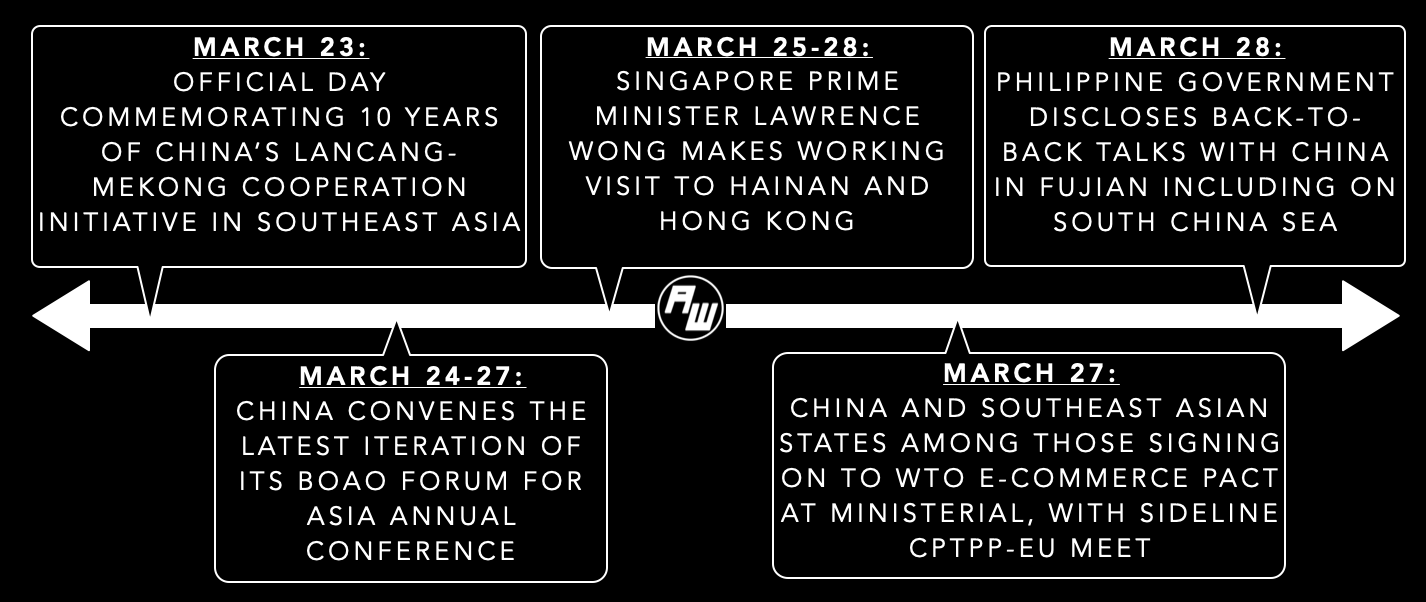
The developments were disclosed amid key regional indicators of ongoing flashpoint management. Apart from the Boao Forum itself — which did include a session on the South China Sea as part of its wider agenda as well — this past week China and the Philippines also held back-to back China-Philippines bilateral South China Sea talks in Fujian amid renewed speculation over “initial exchanges” on energy exploration and “momentum” on a binding China-ASEAN code of conduct4. Separately, in an indication of the rising geoeconomic and geopolitical fallout from ongoing Middle East conflict and impacts on regional dynamics, officials also began discussing initial iterations of “stripped down” schedules that could impact some of the hundreds of ASEAN meetings set for the coming months, with one official noting to ASEAN Wonk that the impact of the “significant scaling down” is yet to fully play out5.
Why It Matters
The dynamics also spotlighted datapoints to watch with wider implications (see originally generated ASEAN Wonk table below on notable areas to monitor and additional specifics. Paying subscribers can read on for more on what to expect and future implications in the rest of the “Why It Matters” and “Where It’s Headed” sections, along with paid-only sections of the newsletter as usual).
Future Datapoints to Watch, Alongside Major Policy Priorities and Select Key Cooperation Areas
