

Greetings to new readers and welcome all to the latest edition of the weekly ASEAN Wonk BulletBrief! If you haven’t already, you can upgrade to a paid subscription for $5 a month/$50 a year below to receive full posts by inserting your email address and then selecting an annual or monthly option. You can visit this page for more on pricing for institutions, groups as well as discounts. For current paid subscribers, please make sure you’re hitting the “view entire message” prompt if it comes up at the end of a post to see the full version.
For this iteration of ASEAN Wonk BulletBrief, we are looking at:
Assessing the geopolitical and geoeconomic significance of BRICS summit outcomes and new 2026 Southeast Asia policy datapoints to watch;
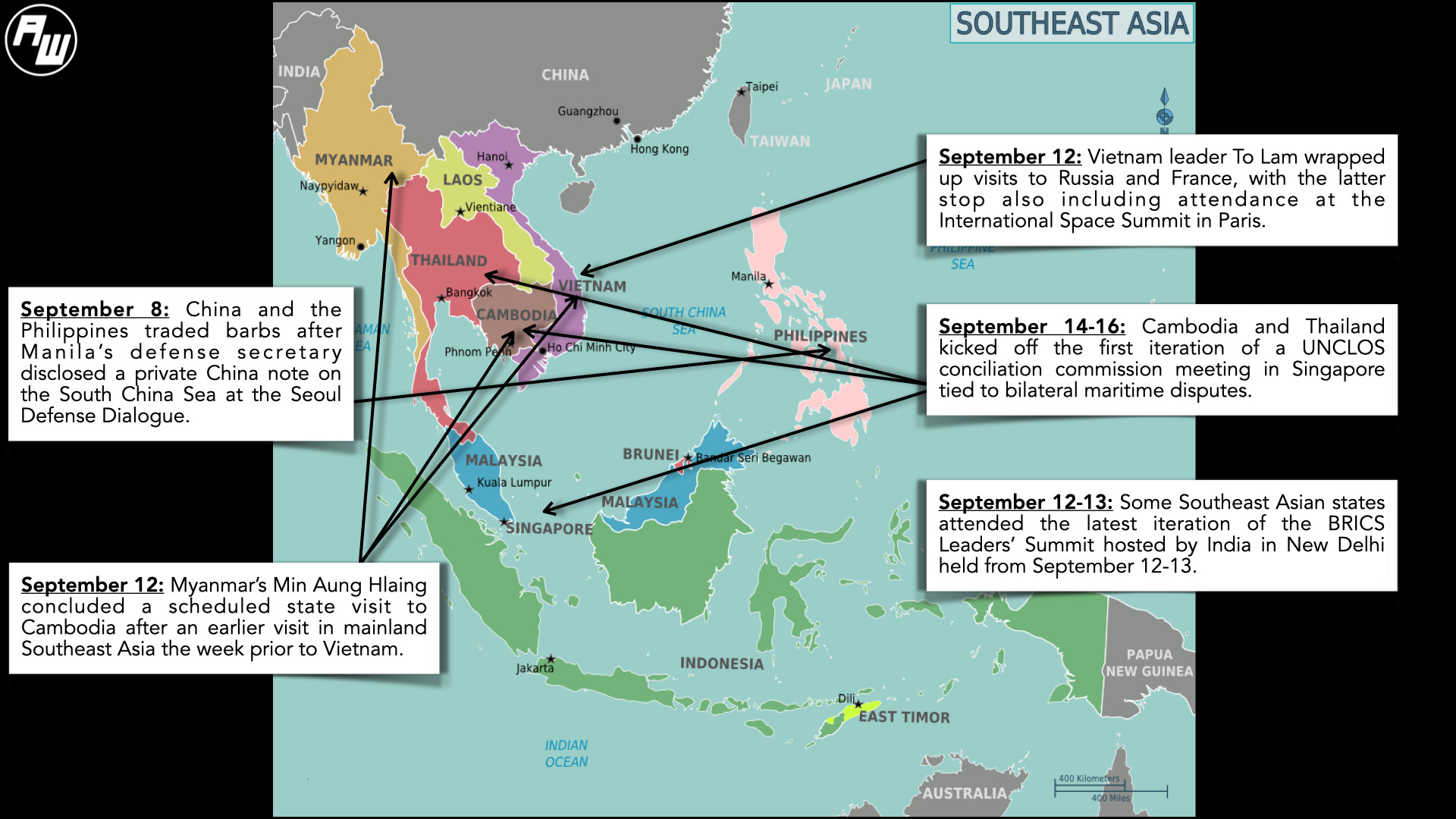
Mapping of regional developments, including fresh defense dialogue drama and renewed flashpoint dispute spotlight;
Charting evolving geopolitical, geoeconomic and security trends such as China infrastructure inroads; maritime deal; and delayed submission update;
Tracking and analysis of industry developments and quantitative indicators including emergency energy pact; big personnel call; aircraft order and more;
And much more!
This Week’s WonkCount: 2,296 words (~10 minutes)


Dispute Spotlight; Defense Dialogue Drama & More

Managing Geoeconomic Chain Reactions; Artificial Intelligence Inflection Point & Unfinished Peace
“[T]he imperative is to prepare for the economic chain reactions triggered by extreme weather events,” argues a new commentary published in Project Syndicate on how Asian economies can manage macroeconomic shocks emerging from physical hazards following recent catastrophic flooding in Nepal (link).

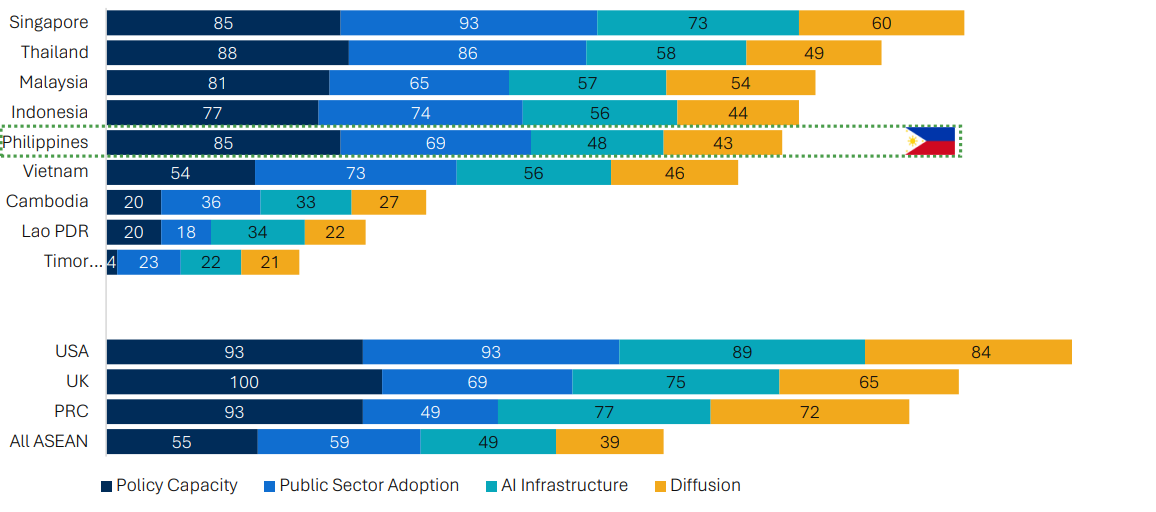
“The Philippines recognizes this moment as a strategic inflection point,” according to the finalized version of a newly publicized artificial intelligence infrastructure masterplan released by the Philippine government (link to PDF).
Artificial Intelligence Capabilities of the Philippines Benchmarked vs. ASEAN Countries and Global Peers
“Seven years and four postponed elections later…the Bangsamoro’s first elected government inherits a defining question: has the transition delivered on the peace agreement and built the institutions needed?” asks a new commentary published over at New Mandala (link).


BRICS Summit Highlights New 2026 Southeast Asia Datapoints
What’s Behind It
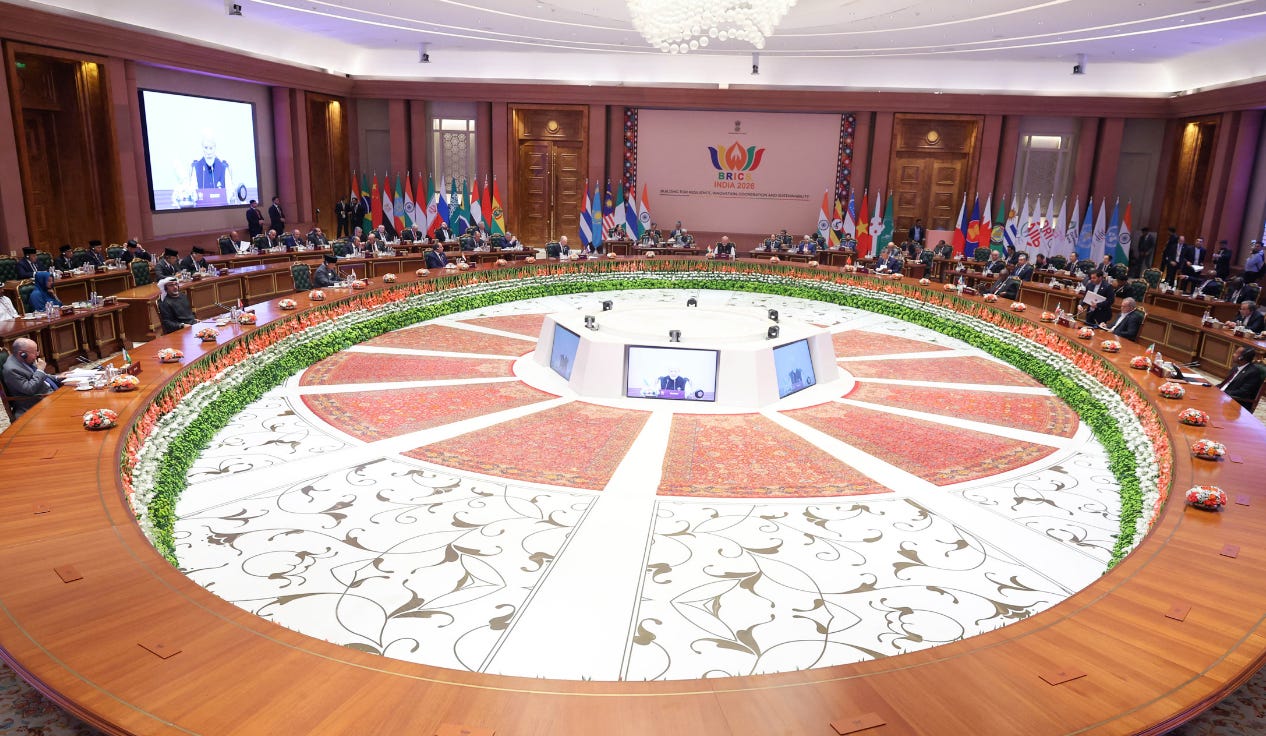
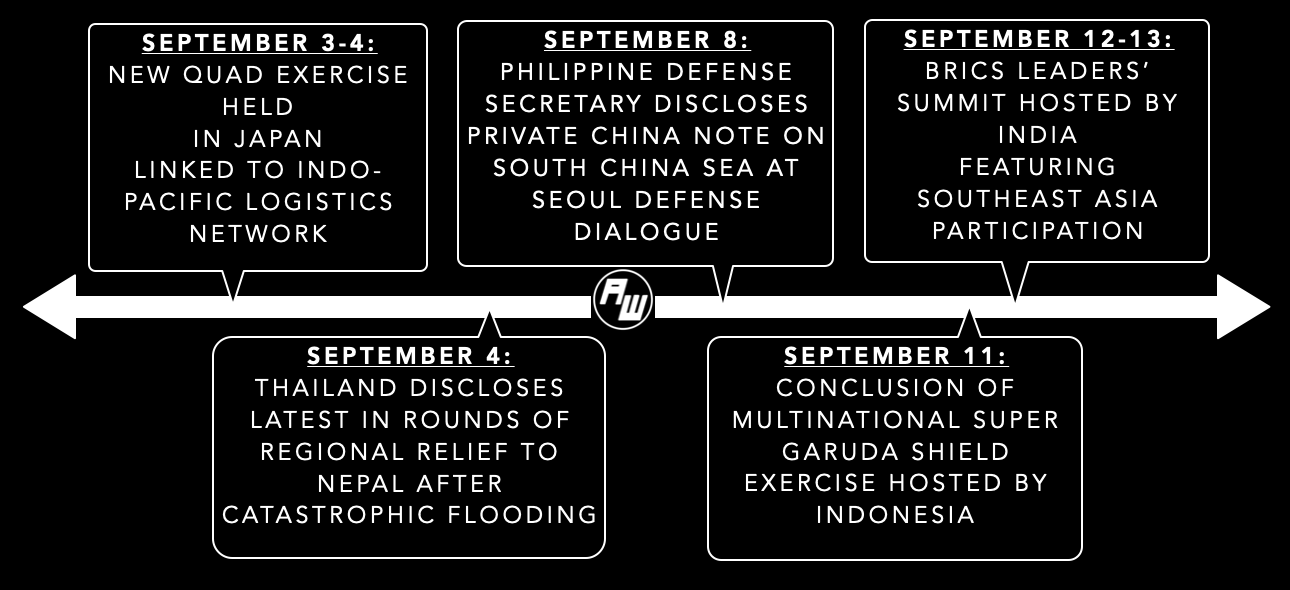
A new round of BRICS summitry this past week highlighted new regional datapoints at play in and beyond the engagement1. The latest round of summitry came alongside wider global geopolitical and geoeconomic developments with implications for the region. This included the publicizing of details from a recently concluded iteration of a Quad tabletop exercise in Japan earlier this month labeled as a first of its kind development in advancing the previously announced concept of a Indo-Pacific Logistics Network2.
The development occurred alongside other notable developments featuring Southeast Asian states. Indonesia President Prabowo Subianto attended the BRICS proceedings after just having been featured as among the regional attendees at the Eastern Economic Forum meet hosted by Russia within the same week that the Shanghai Cooperation Organization meetings had been convened by Kyrgyzstan3. Separately, Thailand also disclosed the latest in a series of rounds of regional relief to Nepal after catastrophic flooding and amid an active series of diplomatic exchanges among mainland Southeast Asian states4.
Select Key Recent Geopolitical Developments in Southeast Asia and Indo-Pacific Amid BRICS Summit
Why It Matters
The dynamics also spotlighted datapoints to watch with wider implications (see originally generated ASEAN Wonk table below on notable areas to monitor and additional specifics. Paying subscribers can read on for more on what to expect and future implications in the rest of the “Why It Matters” and “Where It’s Headed” sections, along with paid-only sections of the newsletter as usual).
New Policy Datapoints, Along With Participation Details And Key Countries
