

Greetings to new readers and welcome all to the latest edition of the weekly ASEAN Wonk BulletBrief! If you haven’t already, you can upgrade to a paid subscription for $5 a month/$50 a year below to receive full posts by inserting your email address and then selecting an annual or monthly option. You can visit this page for more on pricing for institutions, groups as well as discounts. For current paid subscribers, please make sure you’re hitting the “view entire message” prompt if it comes up at the end of a post to see the full version.
For this iteration of ASEAN Wonk BulletBrief, we are looking at:
Assessing the geopolitical and geoeconomic significance of the latest round of BRICS meetings and regional implications;
Mapping of regional developments, including China diplomacy beyond the G2 hype and North Korea voyage;
Charting evolving geopolitical, geoeconomic and security trends such as minerals discontent; megaproject drama; and connectivity initiative boost;
Tracking and analysis of industry developments and quantitative indicators including new military law; electric vehicles pivot; quiet dispute and more;
And much more! ICYMI, check out our ASEAN Wonk review of a new book which details future survival strategies for countries to navigate “wolf world” conflict futures and “law of the jungle” realities.
This Week’s WonkCount: 2,147 words (~9 minutes)


China Diplomacy Amid G2 Hype; North Korea Voyage & More
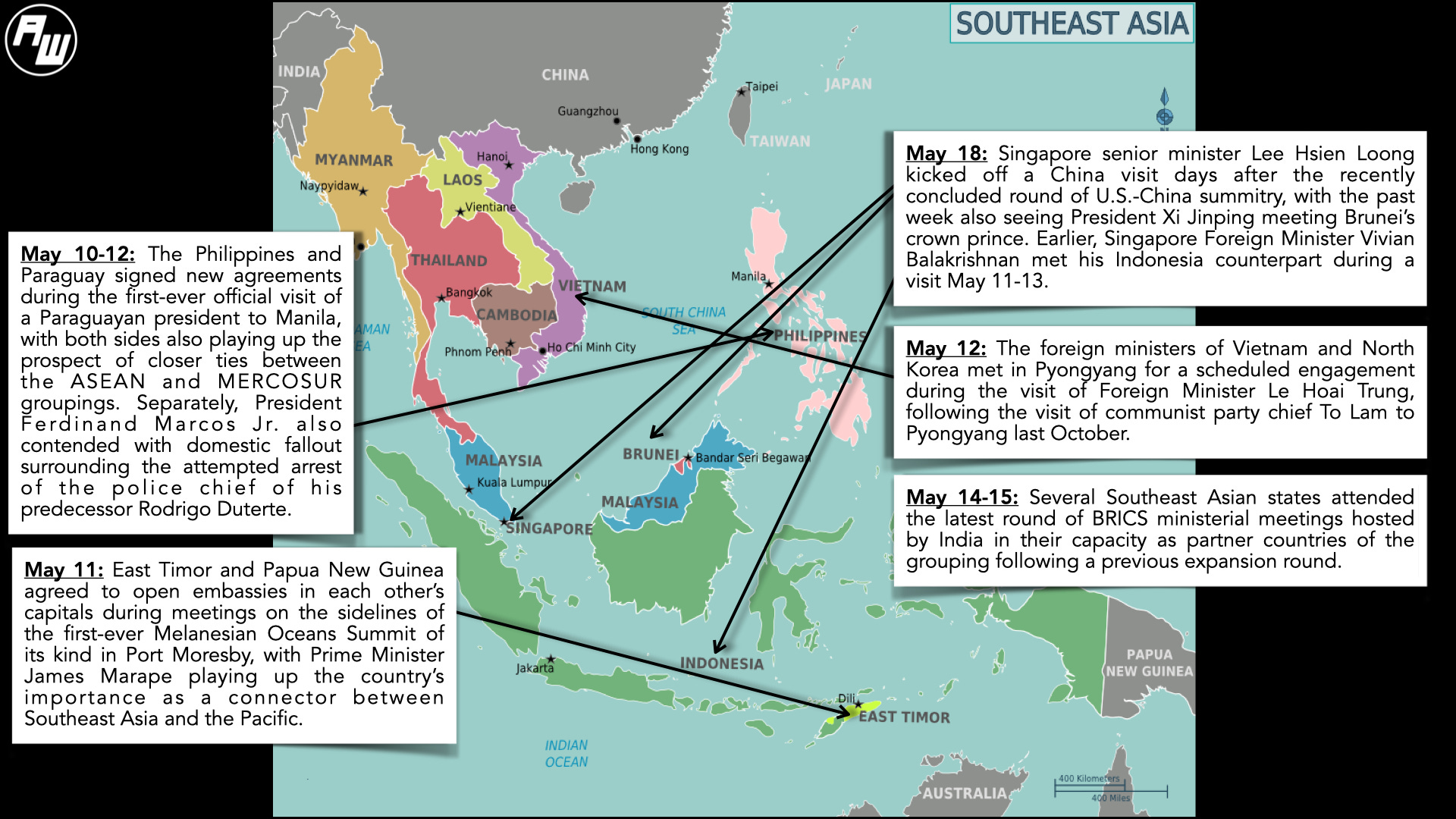

Tracing Shadow Alliances; Crossregional Maritime Anxieties & Stalemate Breaking Bid
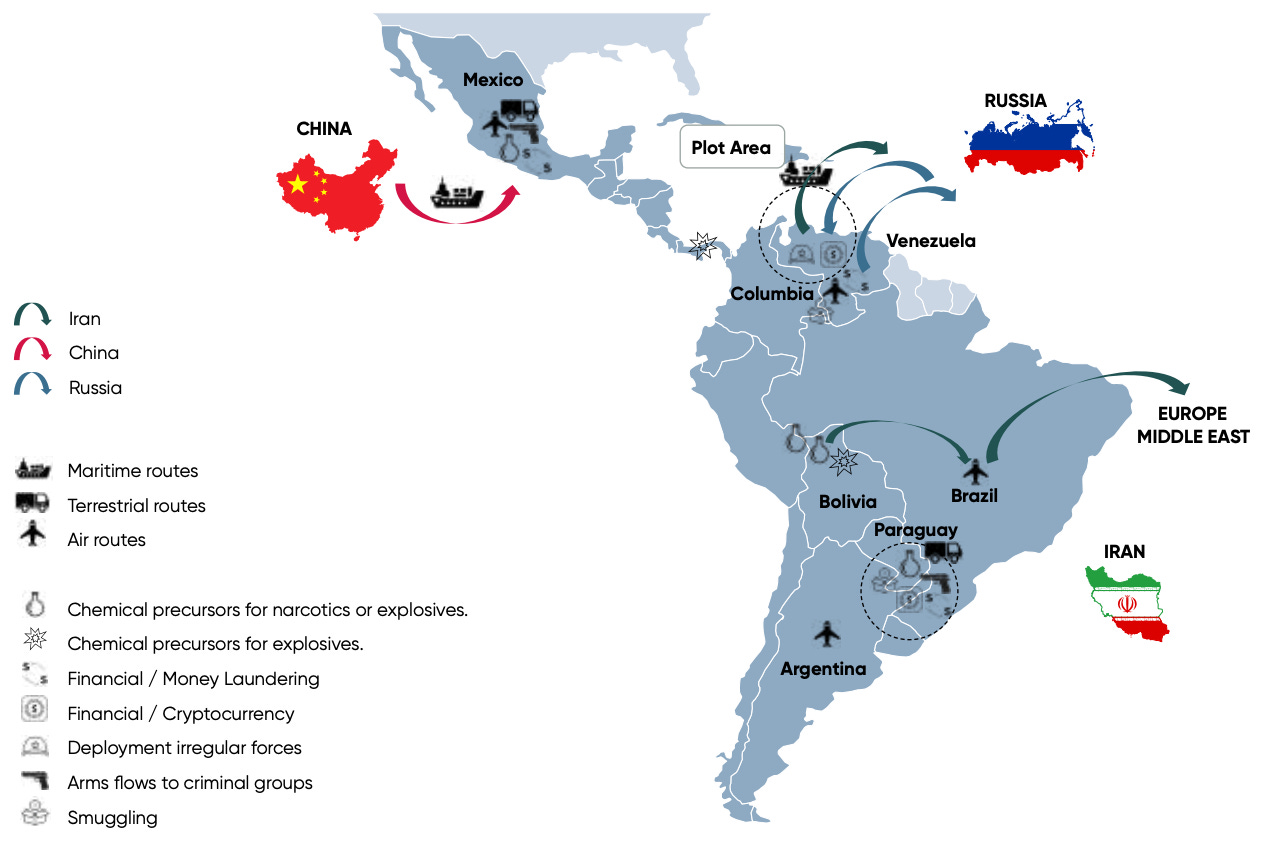
“China has used illicit networks to extend its reach, particularly in Southeast Asia, Africa, and Latin America,” notes a report by the Center for the Study of Democracy on the rise of “hybrid warfare” and a so-called “shadow alliance” between Russia, China, and Iran and their activities globally (link).
Map Of Latin America Noting Logistics And Trade Corridors Used For Hybrid Warfare

Source: CSD “The situation in the Strait of Hormuz can also happen in the South China Sea if China doesn’t dial down its excessive maritime and its regional ambition,” cautions a publication released by the Stratbase-ADR Institute on the impact of the US-Iran conflict on global dynamics (link).

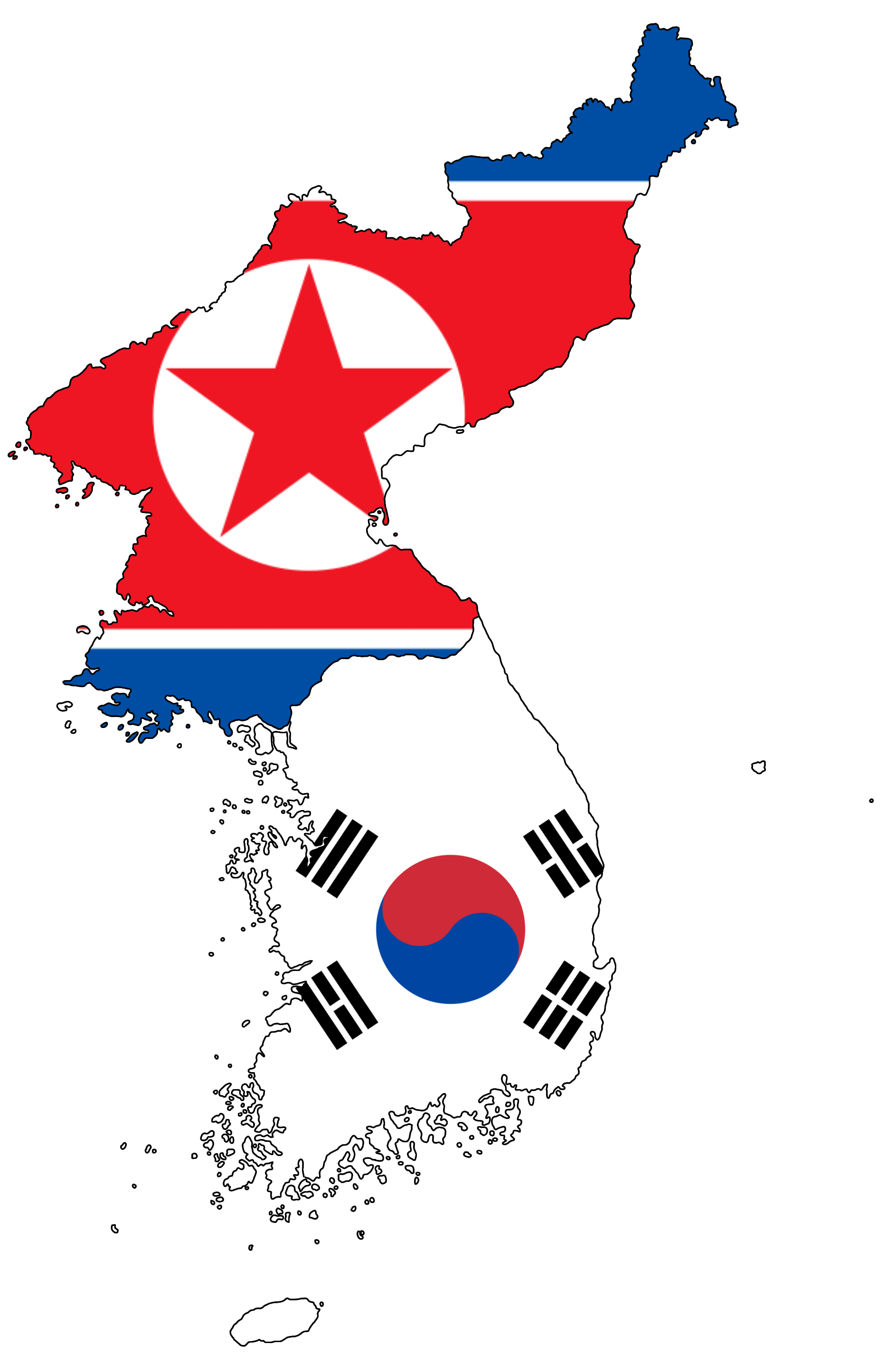
“The urgency of initiating direct negotiations with Pyongyang should not detract from the necessity of first ensuring US-ROK alignment on this shift to a stable co-existence basis for talks, “ argues a paper by the Asia-Pacific Leadership Network on nuclear risk management in the Korean Peninsula which offers recommendations for policymakers in the United States, South Korea as well as China (link).

BRICS Meet Reveals Global South Clash, Southeast Asia Stakes
What’s Behind It
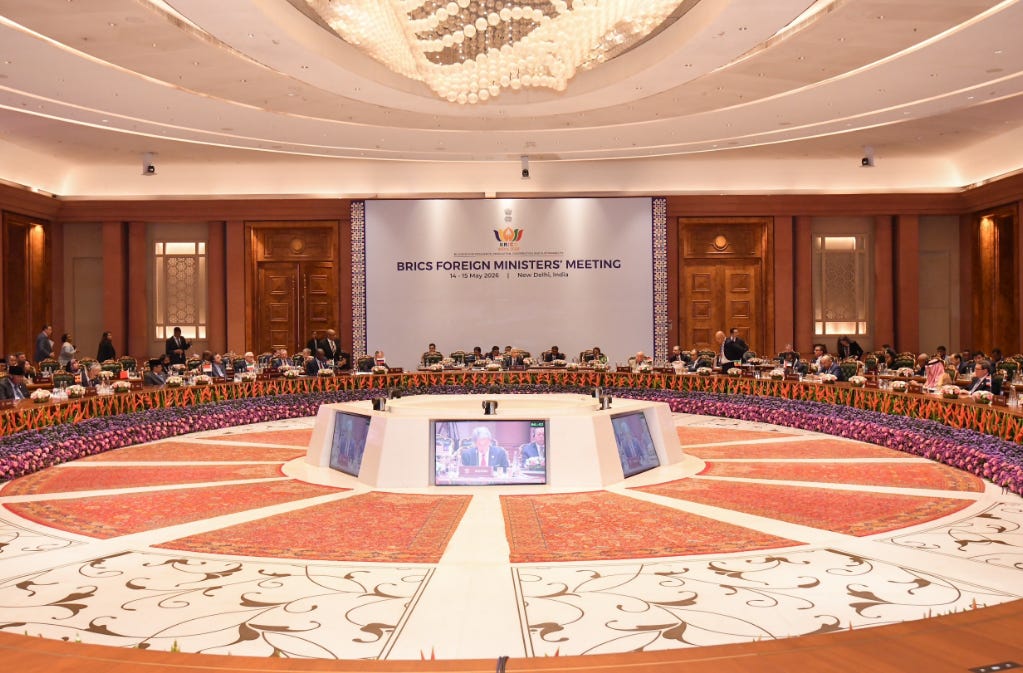
A key BRICS meet this past week highlighted the grouping’s evolving agenda and regional partnerships including with several countries from Southeast Asia following a previous expansion round1. The meeting came alongside speculation surrounding complex evolving dynamics within the grouping beyond the wider banner of the Global South, with direct calls from officials that it ought to intensify its drive to transcend a global landscape dominated by “polarization.”2 This included the level of Chinese representation at the India-hosted engagement amid U.S.-China summitry in Beijing and the true nature of Russia’s recent perceived regional inroads that have sparked concern among some officials and diplomats privately and publicly3.
Select Key Recent Geopolitical and Geoeconomic Developments Amid BRICS Ministerial Meeting
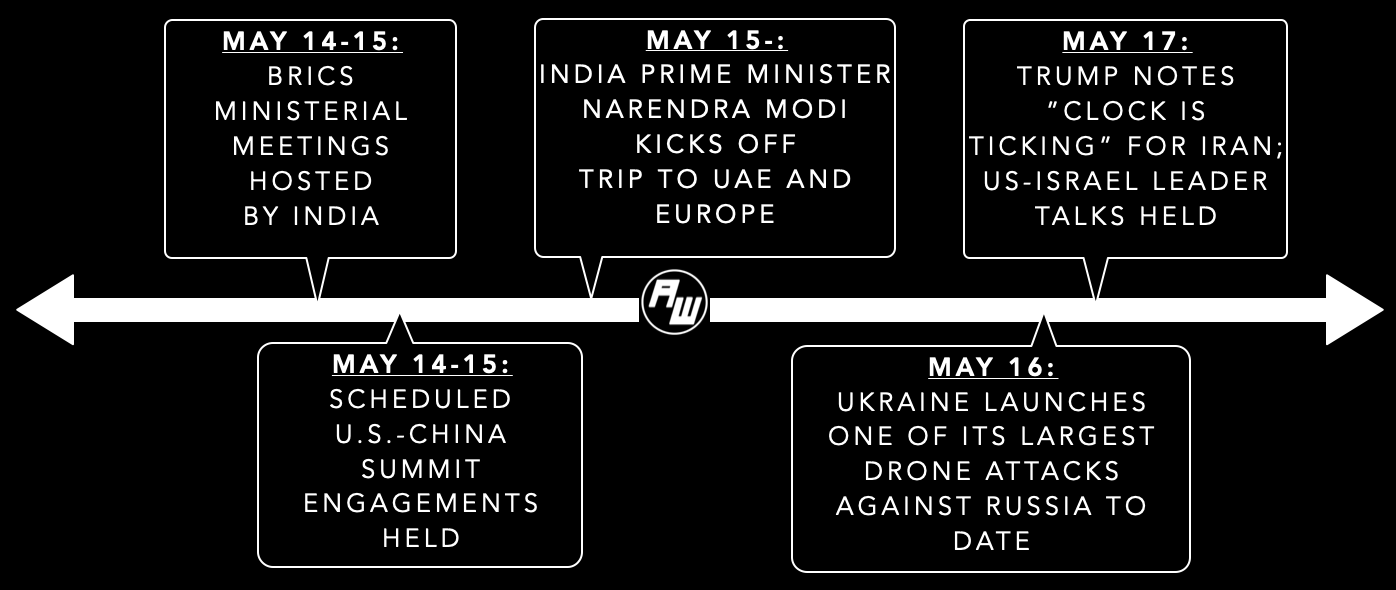
The engagement also revealed key agenda items of relevance within the broader Indo-Pacific and global institutional landscape. The evolving agenda highlighted tensions within the BRICS grouping on how to manage the long list of post-expansion items that remain to be addressed while also not losing sight of reforming global governance where, in one sober framing of the stakes at play, “continued delay carries a high cost.”4 Indian officials also had to contend with the fallout that followed the non-issuance of a joint statement and disagreements that spilled over into the public domain despite working level engagements that continue across dozens of meetings and multiple issue area tracks5.
Why It Matters
The dynamics also spotlighted datapoints to watch with wider implications (see originally generated ASEAN Wonk table below on notable areas to monitor and additional specifics. Paying subscribers can read on for more on what to expect and future implications in the rest of the “Why It Matters” and “Where It’s Headed” sections, along with paid-only sections of the newsletter as usual).
Future Policy Datapoints Along With Select Key Issues And Major Priorities
